Recreational Landscape
Managed not controlled
Building on the Edge of the Course
Royal Melbourne Golf Club, March 2021
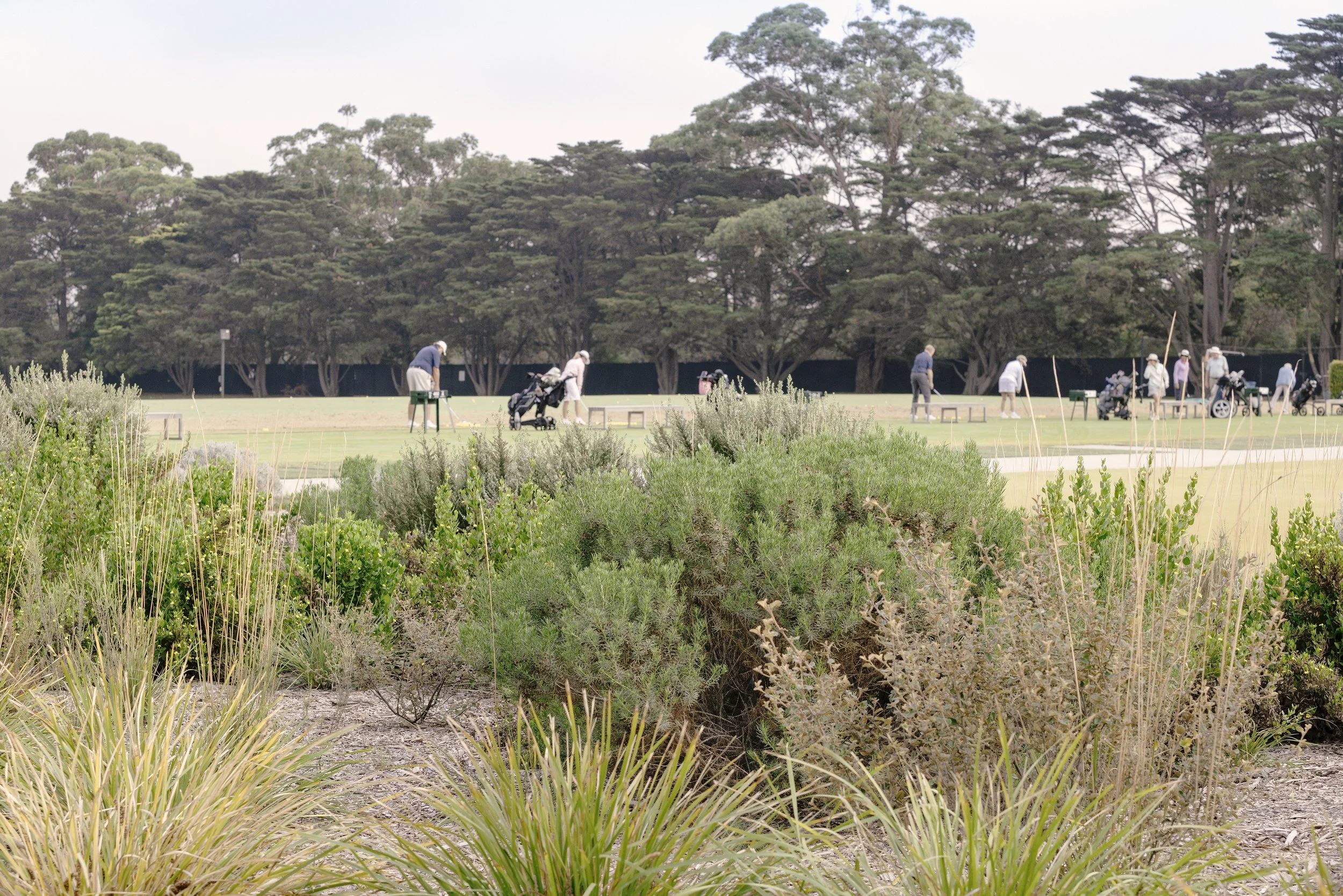
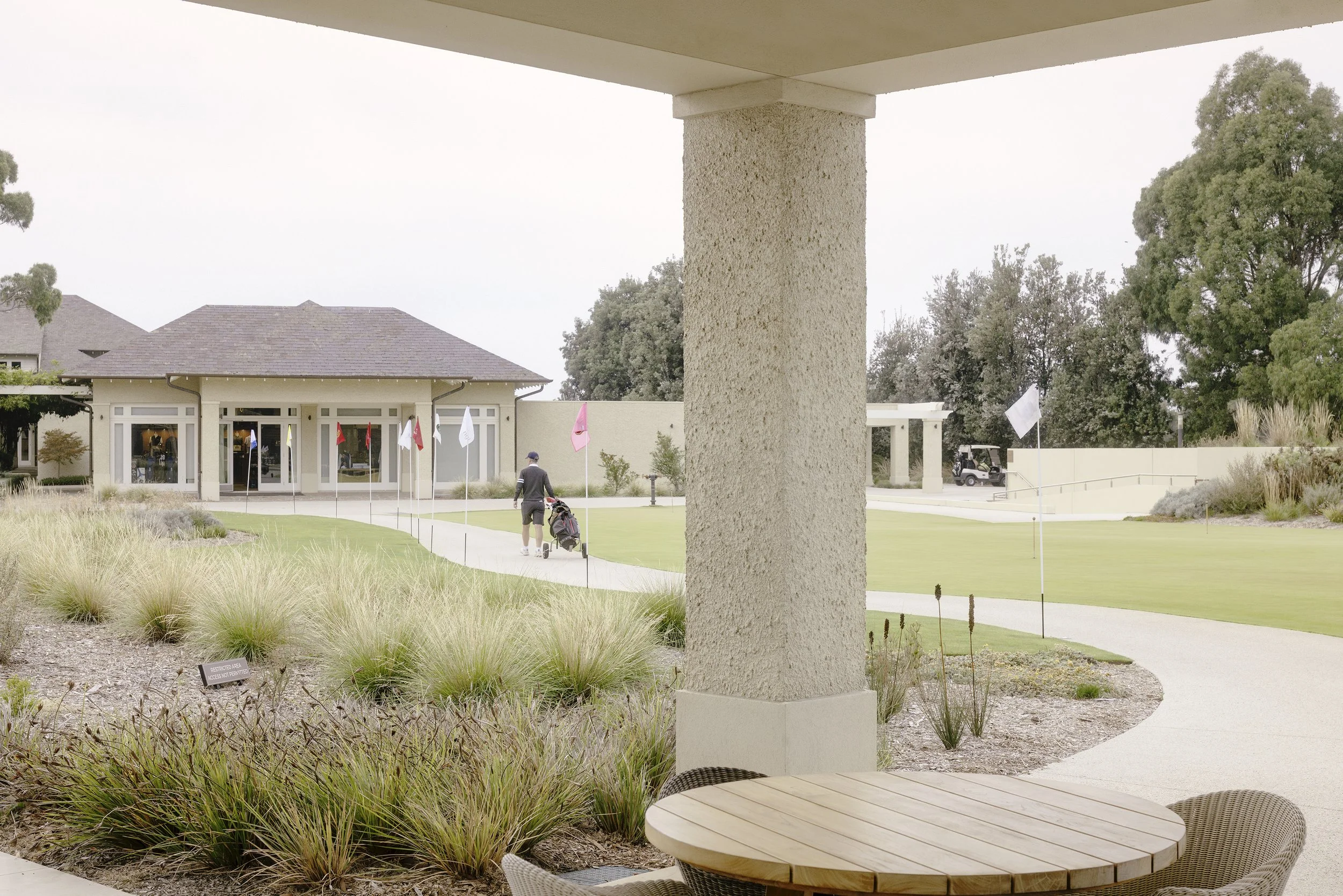
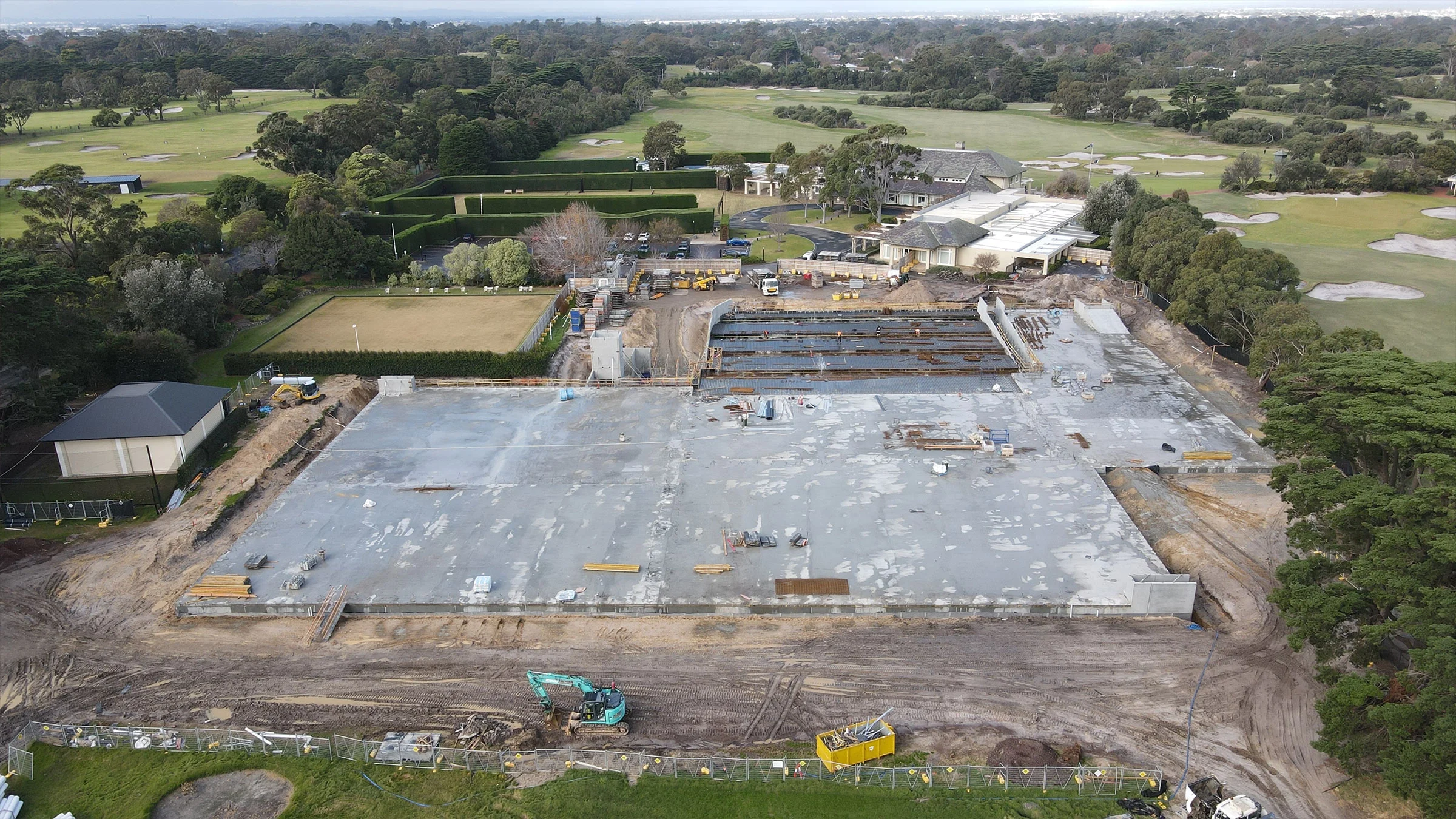
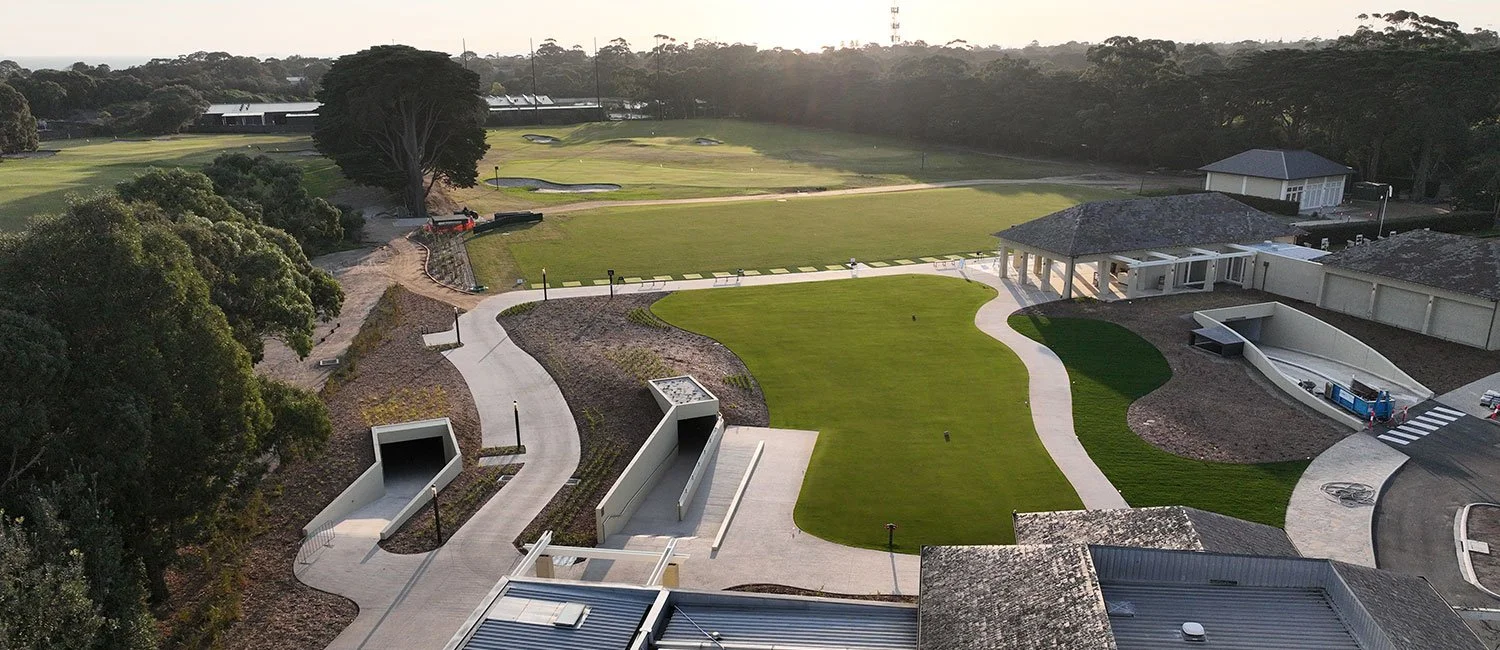
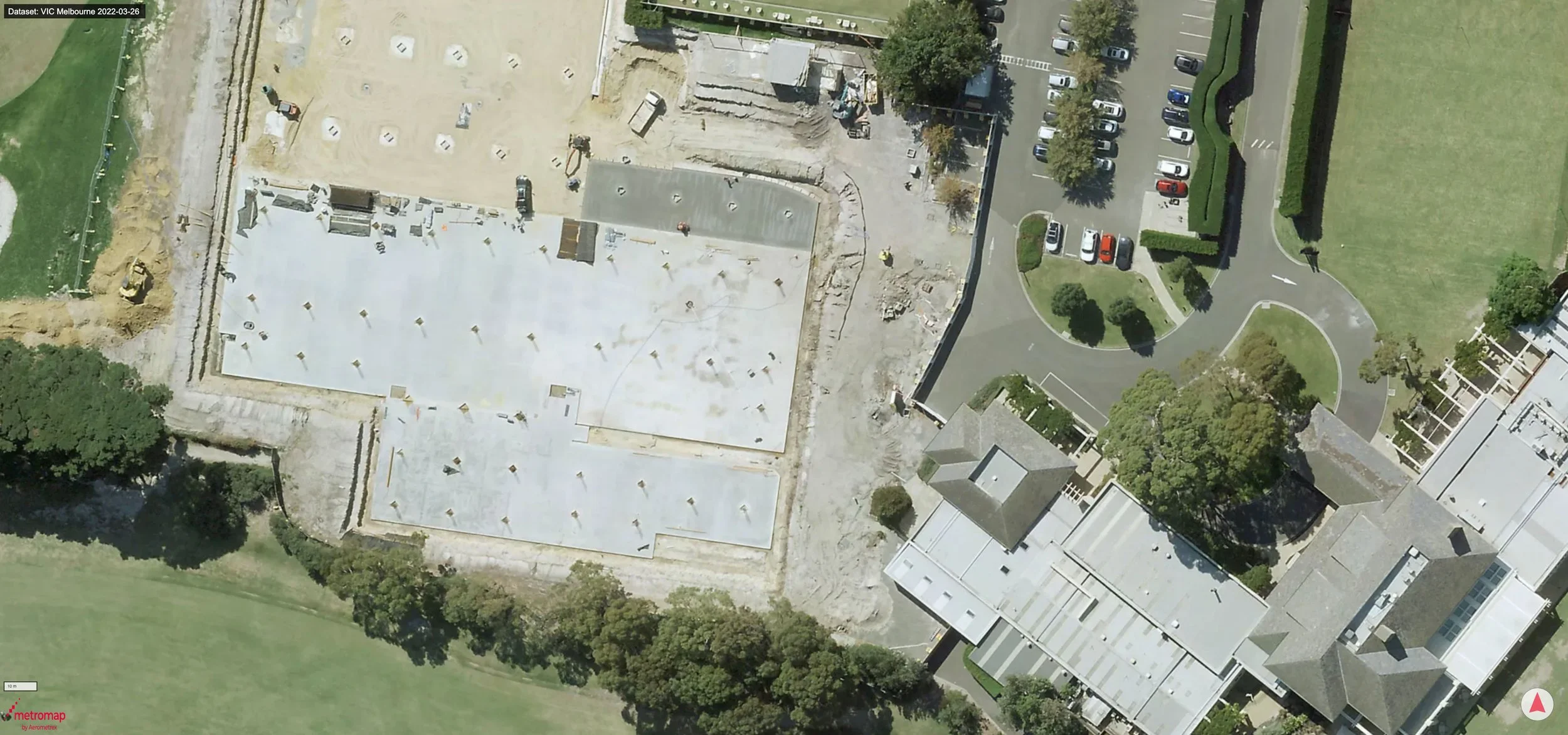
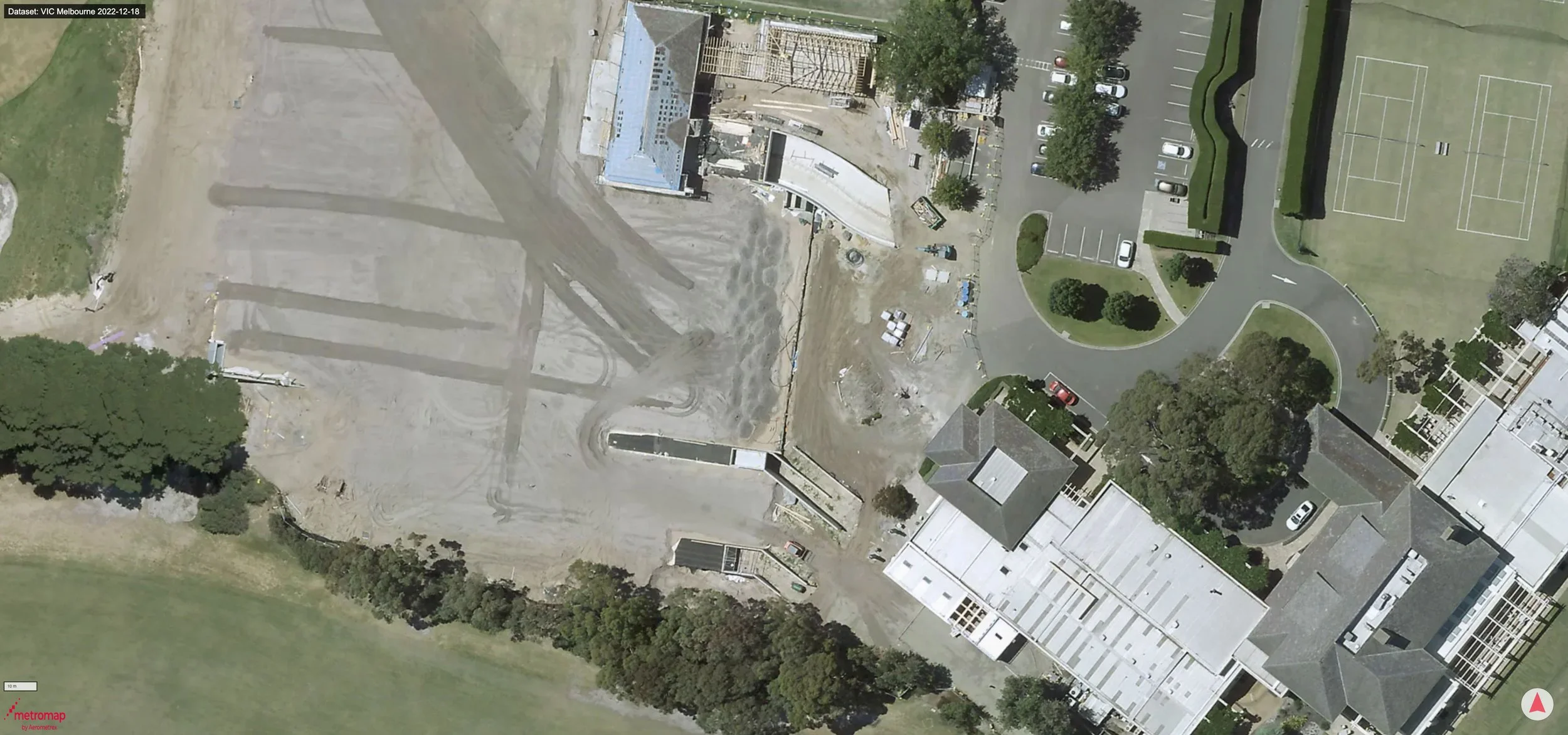
At the end of March 2021, we were engaged by Robert Luxmoore for the Royal Melbourne Golf Club’s 3PS project. Royal Melbourne Golf Club is situated in the suburb of Blackrock, in the ‘sandbelt region’, a premier golfing and geographic region located in Melbourne’s south-eastern suburbs. The project’s goal was to provide additional car parking, practice putting greens and proshop facilities integrated with the existing driving range. All these facilities would sit on top of a new basement car park.
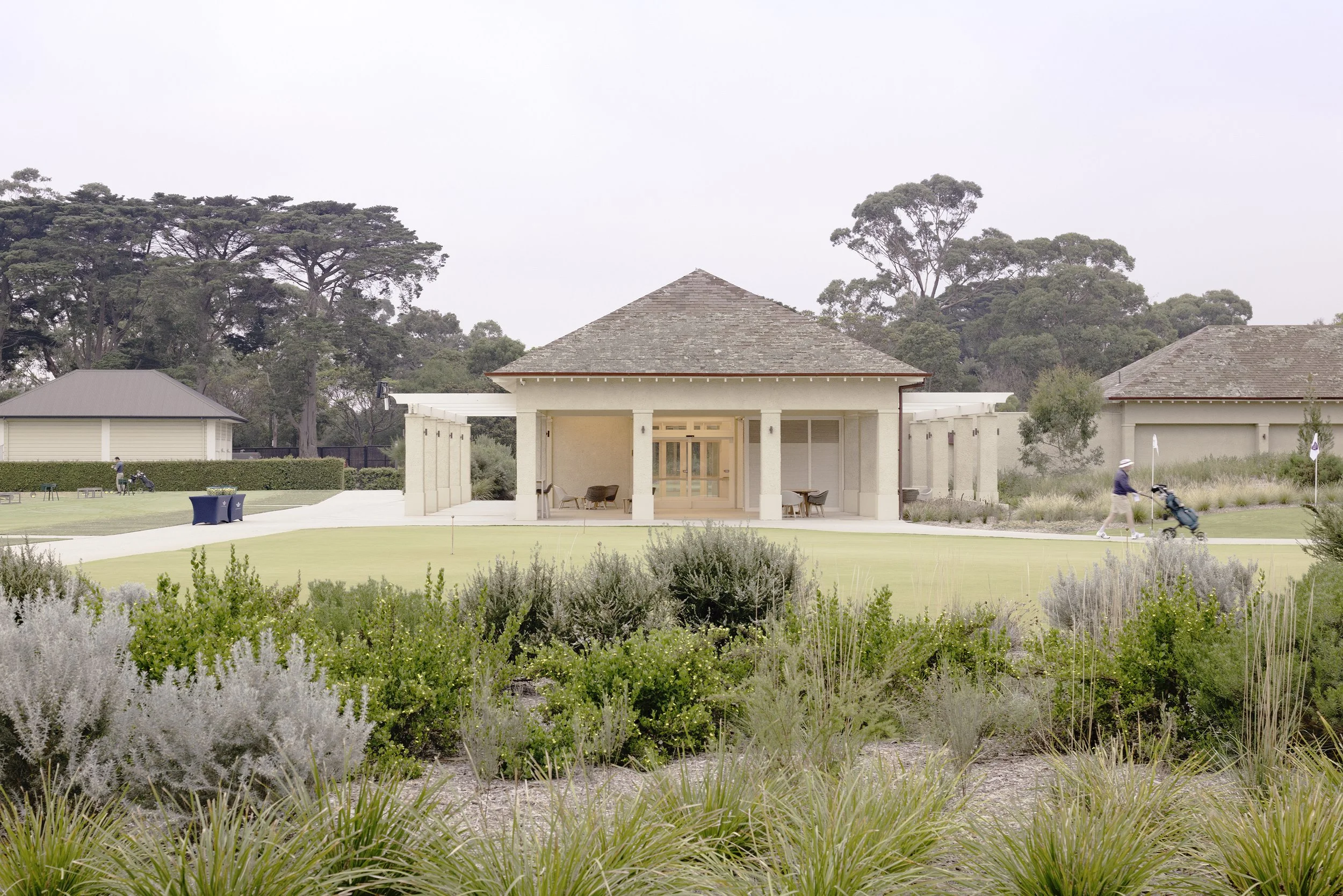
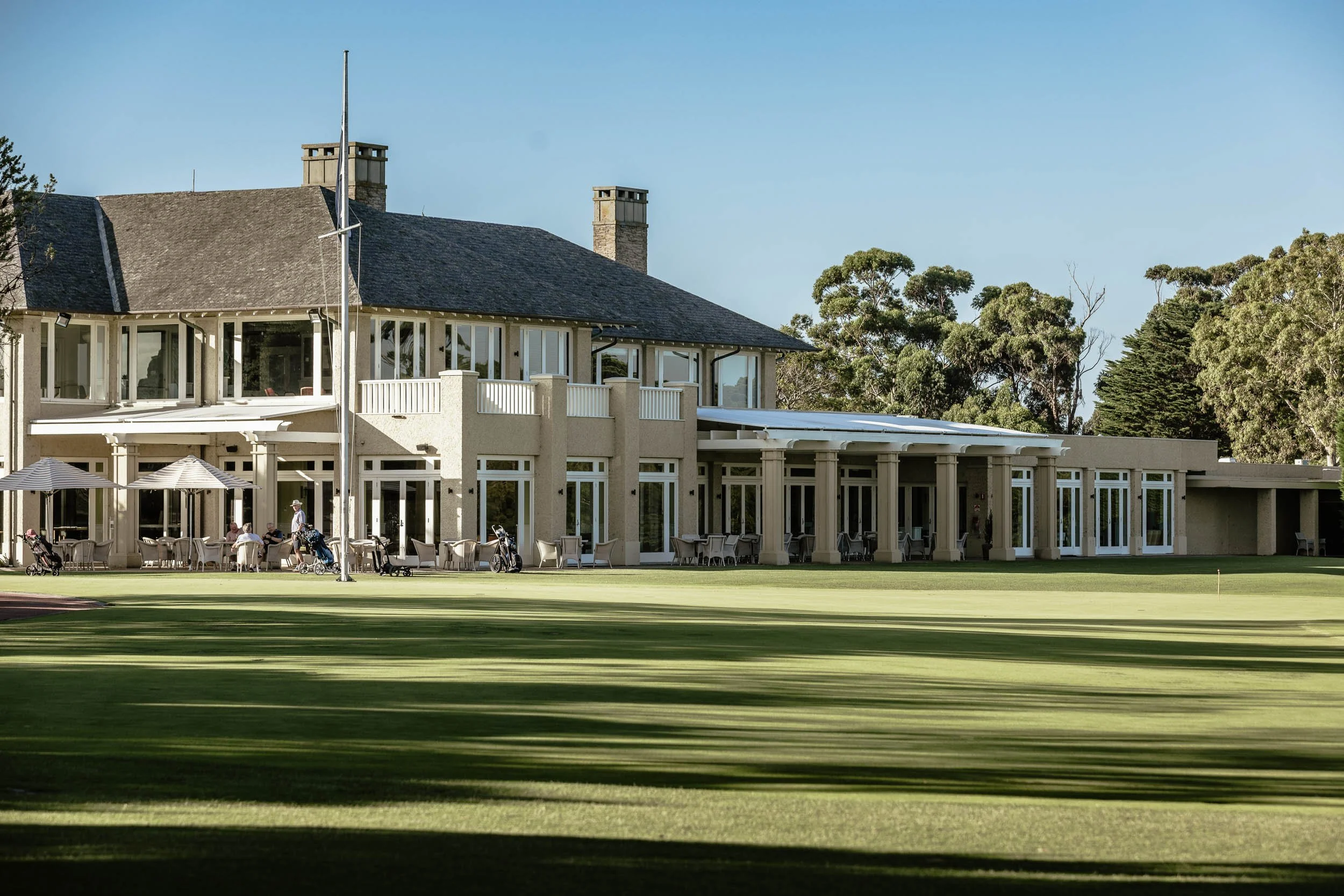
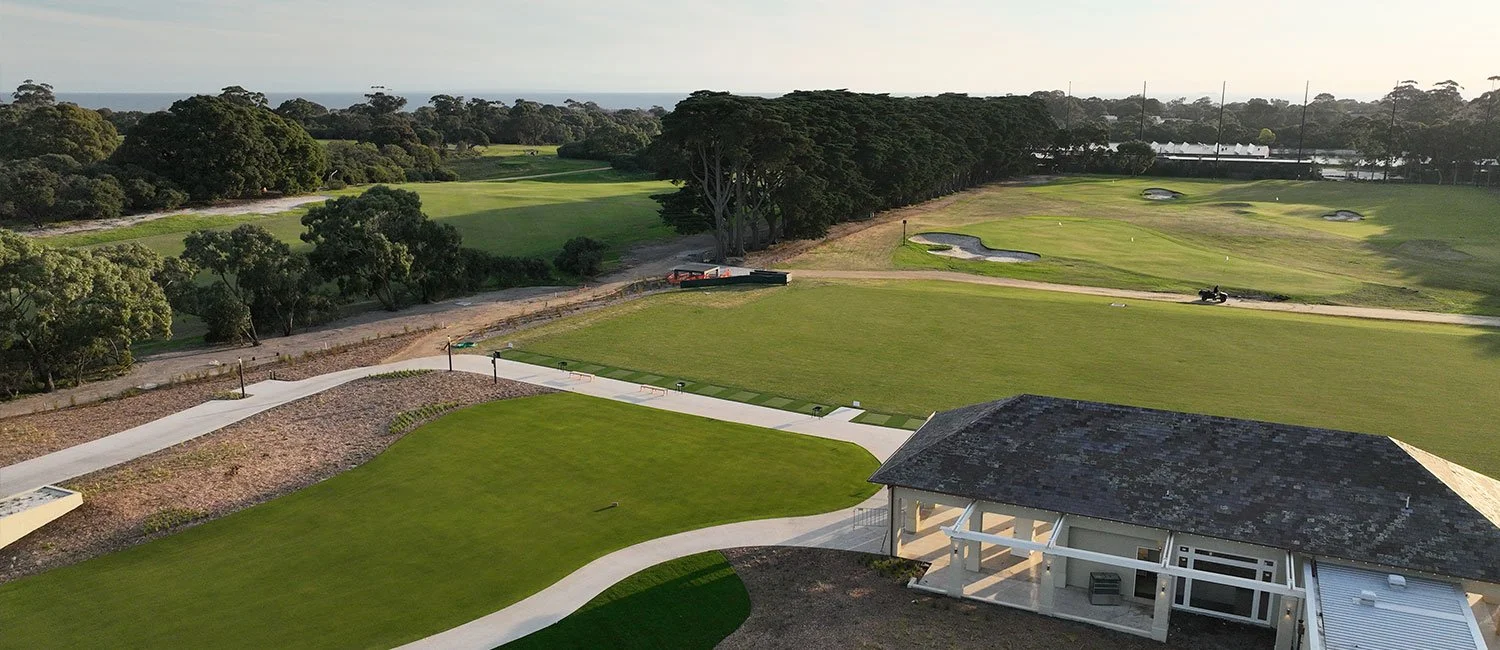
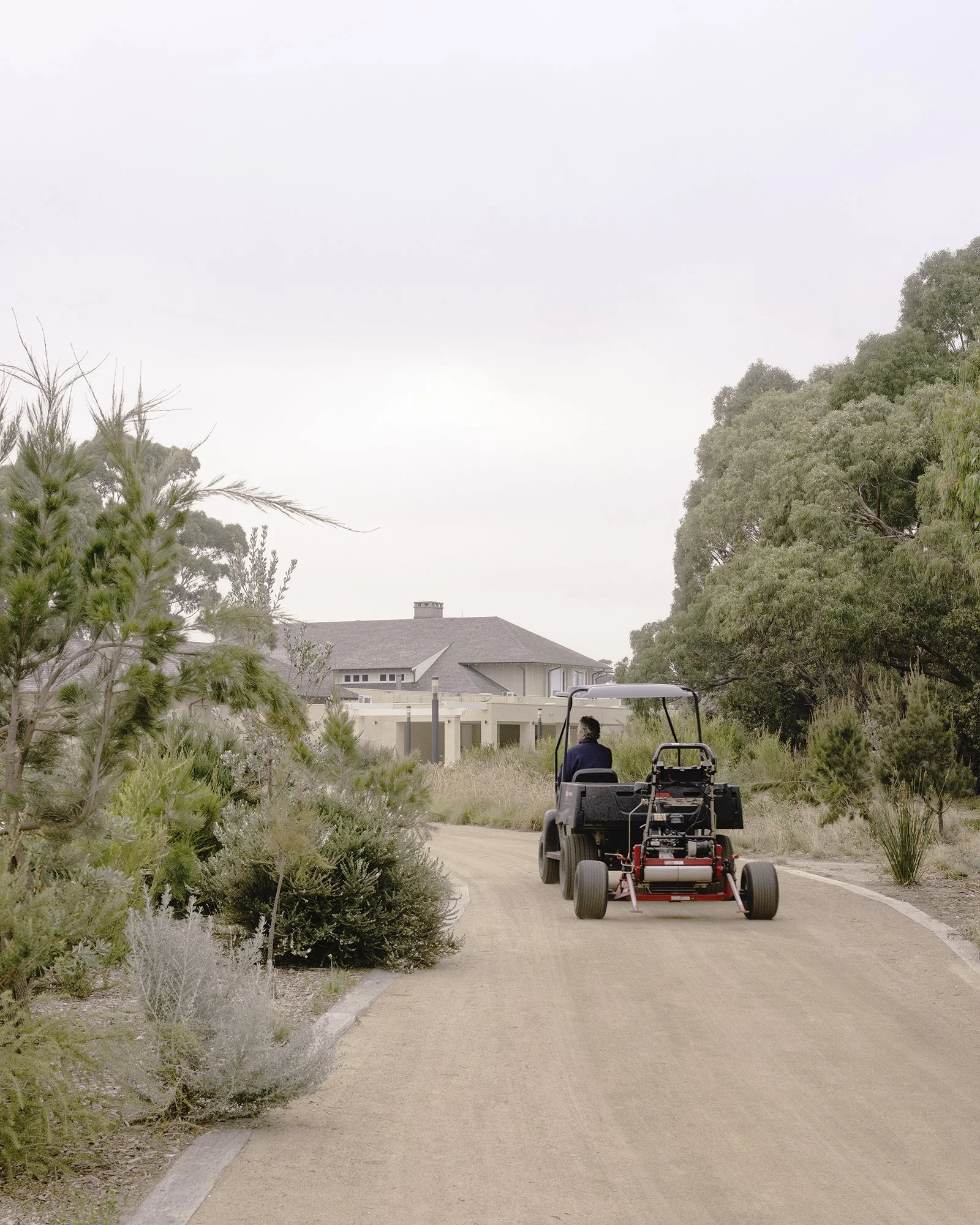
The new buildings, basement, and pro shop renovation were designed by Demaine Partnership, which had designed the original clubhouse in 2003. The architectural form is timeless, formal and restrained. The large slate roofs anchor the buildings on the course and create a sense of arrival and prestige.
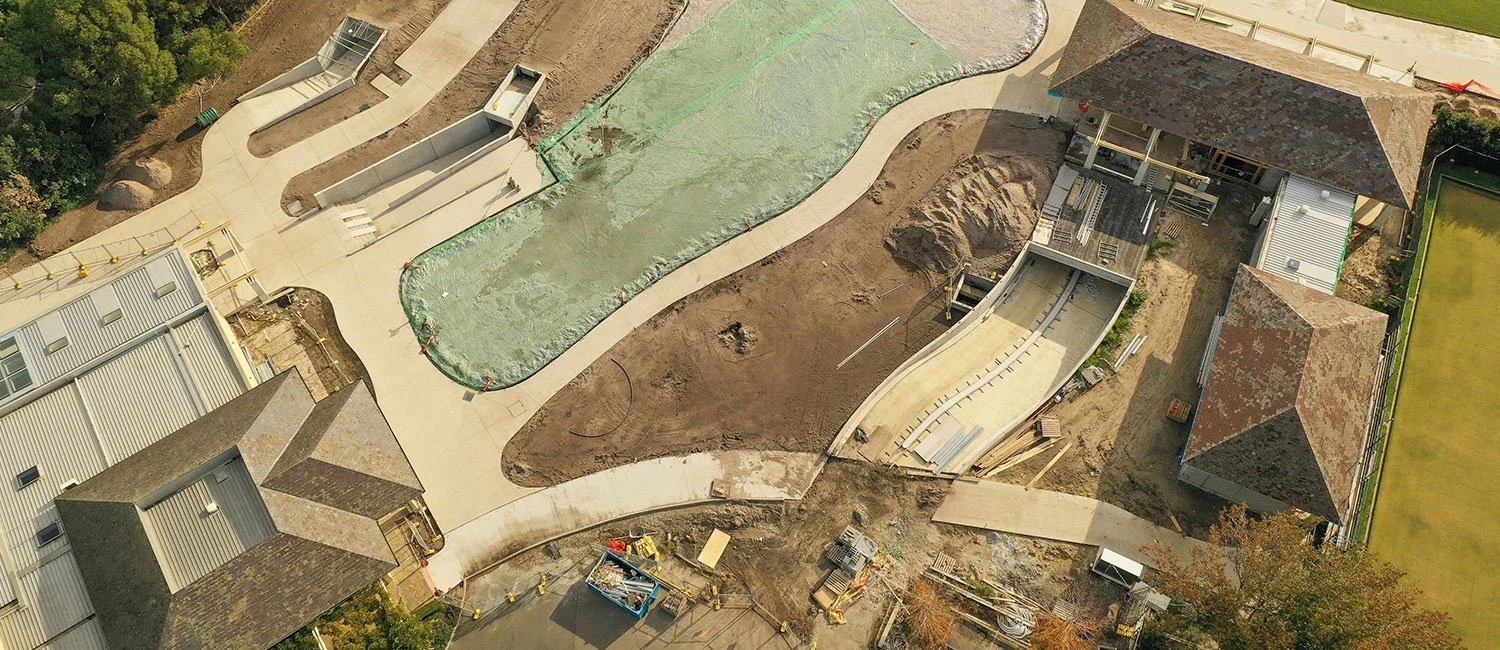
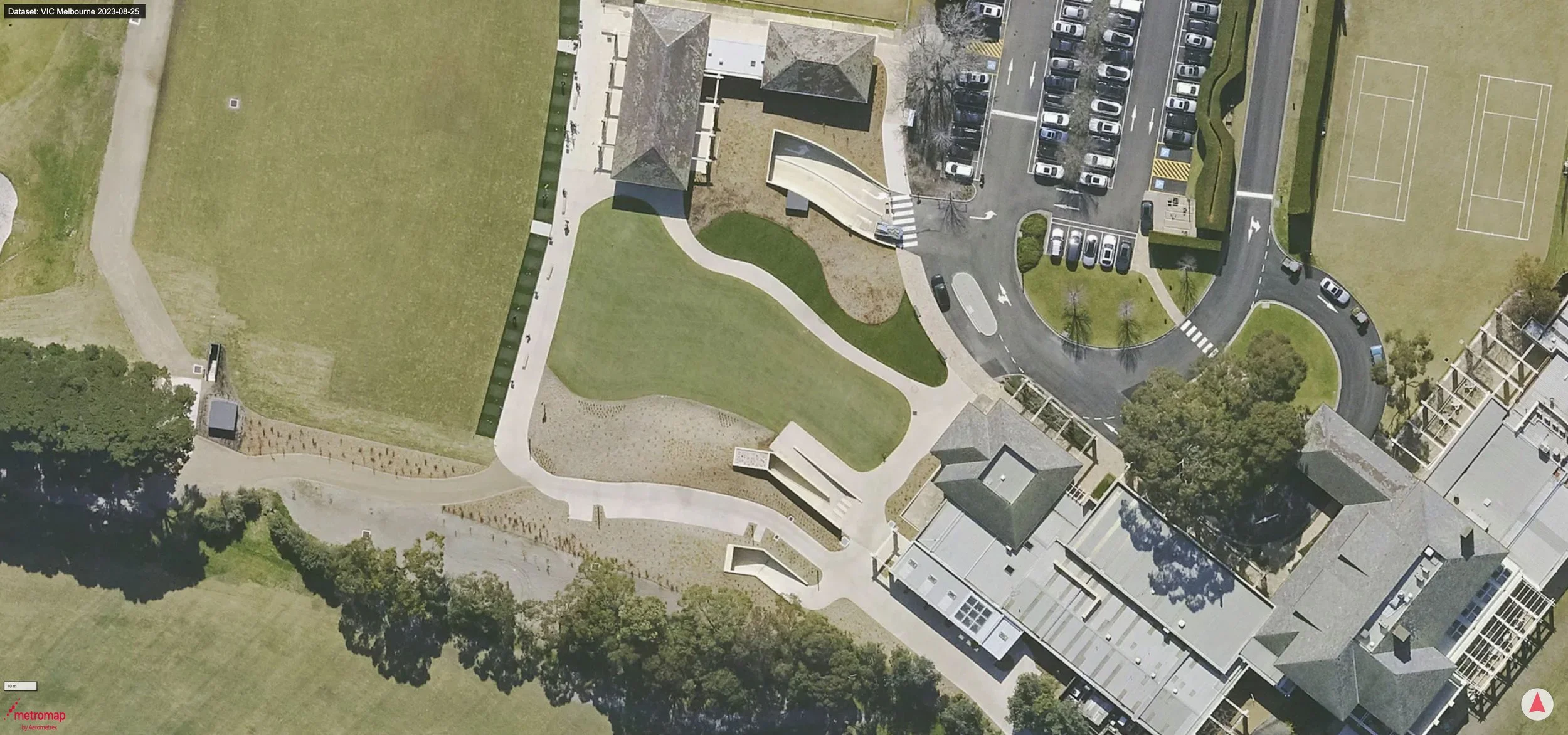
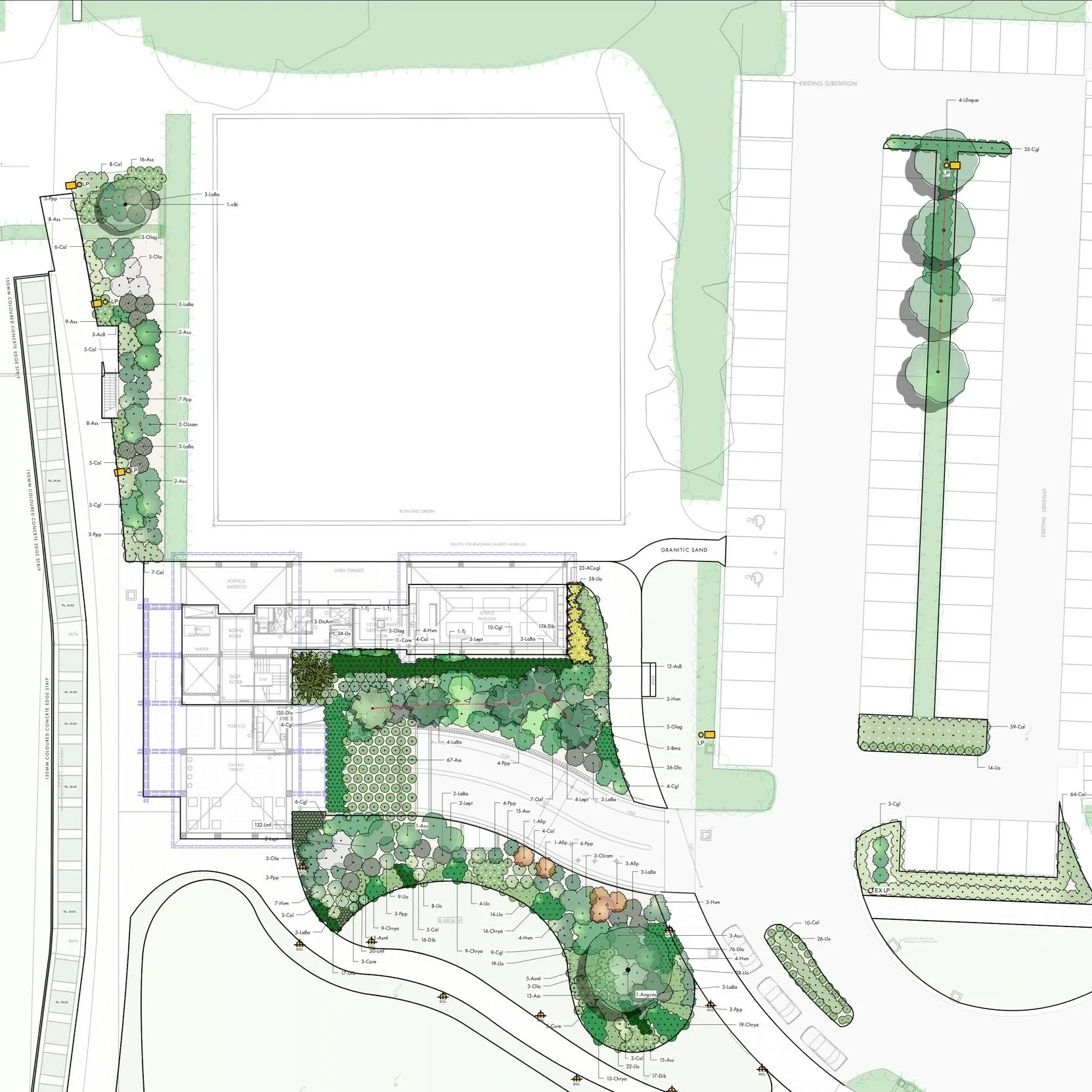
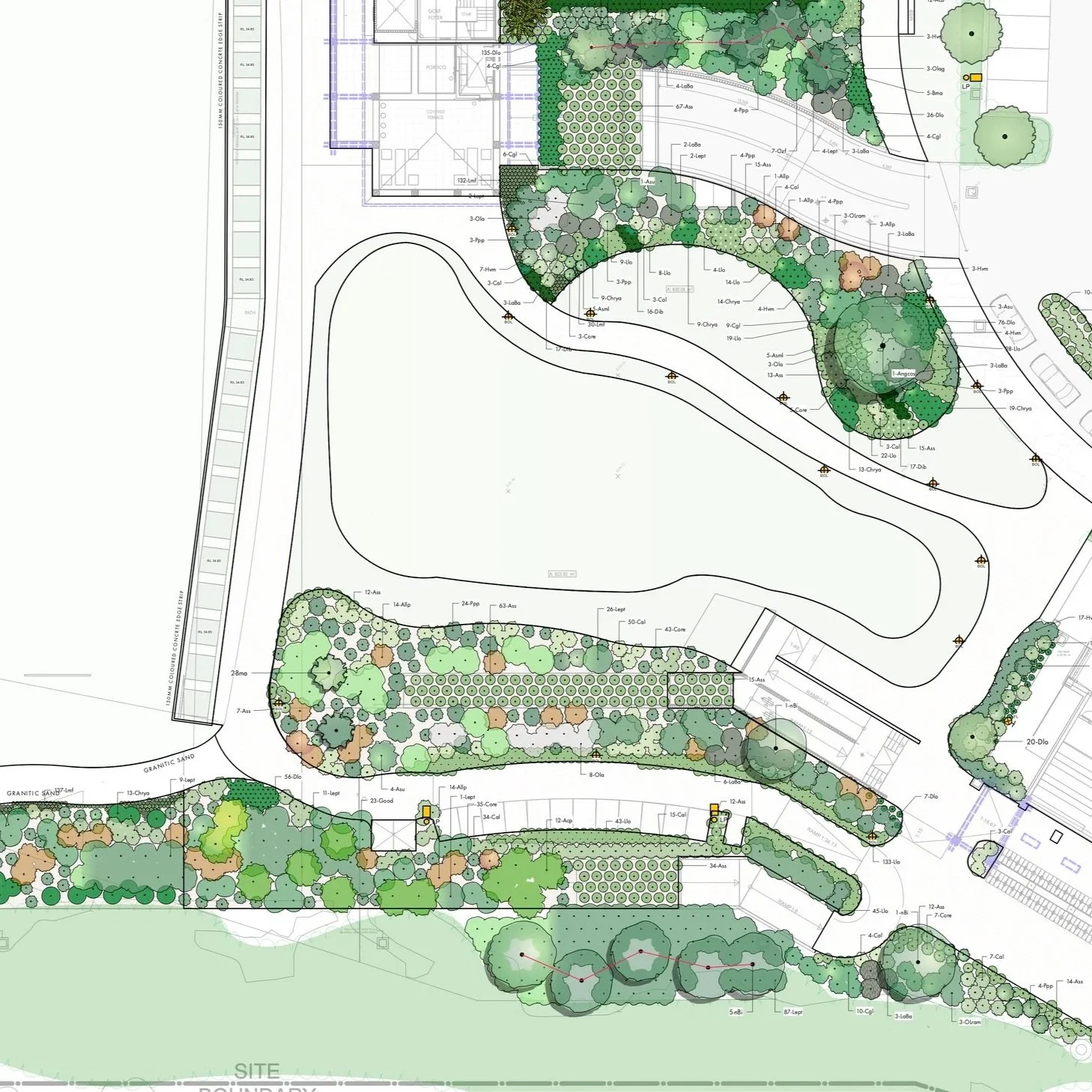
Memla’s role was to design all the external landscape works on top of the basement ‘Lid’ and integrate the edges of the proposed works with existing communal areas, gardens and pathways. Given the location of the project, close to the existing clubhouse and entry, the new development needed not to diminish the presentation of existing facilities and preserve views of the course.
Control vs Management
Two Ideas of Prestige
We were told early on that there has always been a tension at the club between two competing ideas of what a prestigious golf course should be.
One vision is shaped by tradition — formal architecture, clipped gardens, manicured greens and Monterey Cypress hedges. The ageing hedges provide privacy, shelter from the wind and a strong visual structure around the clubhouse. These cypress hedges were often used as a strong and permanent wind break by early golf course designers, market gardeners and hobby farmers in the sandbelt region. Together they create the image of a prestigious yet conservative golf club; ordered, refined and carefully maintained.
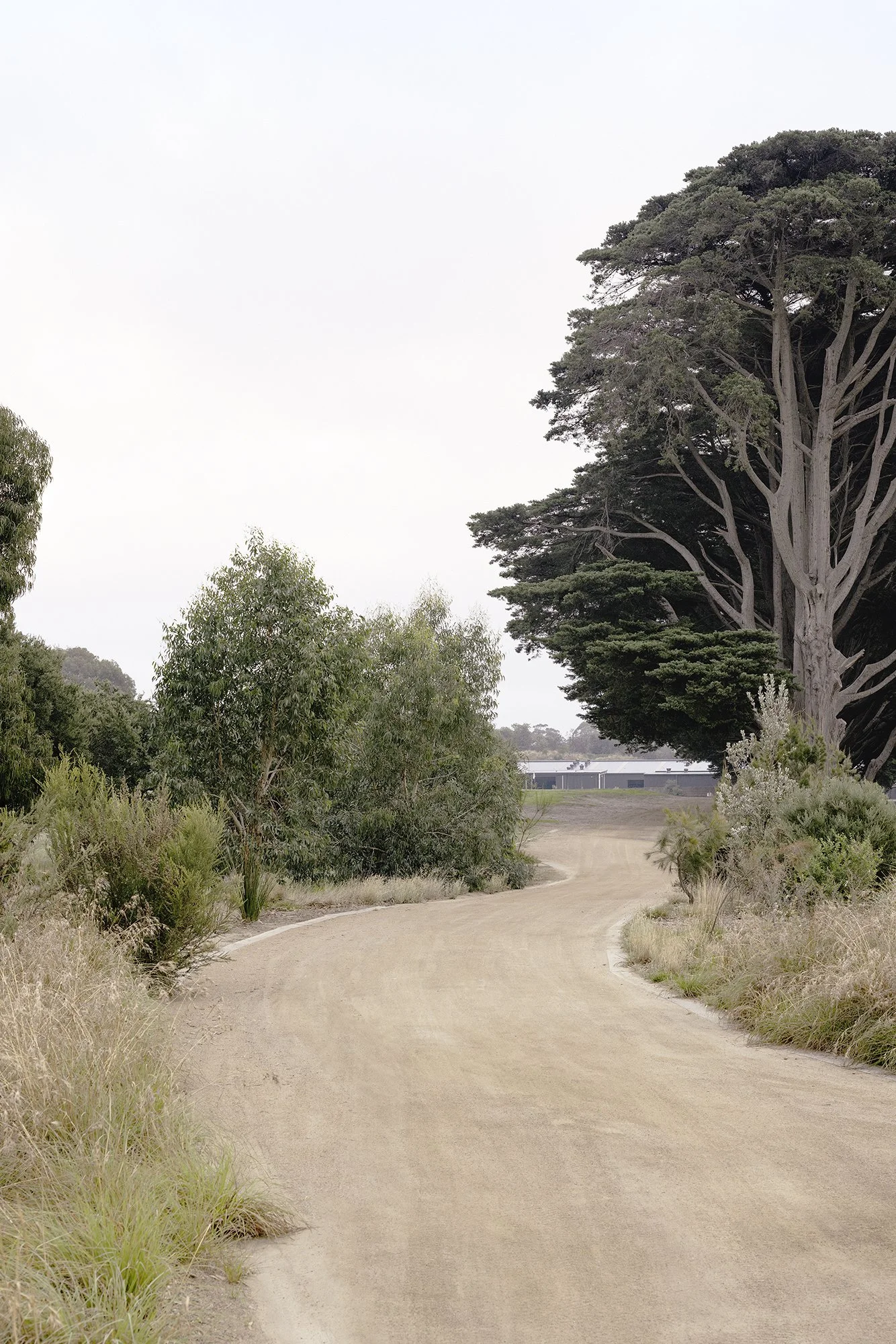
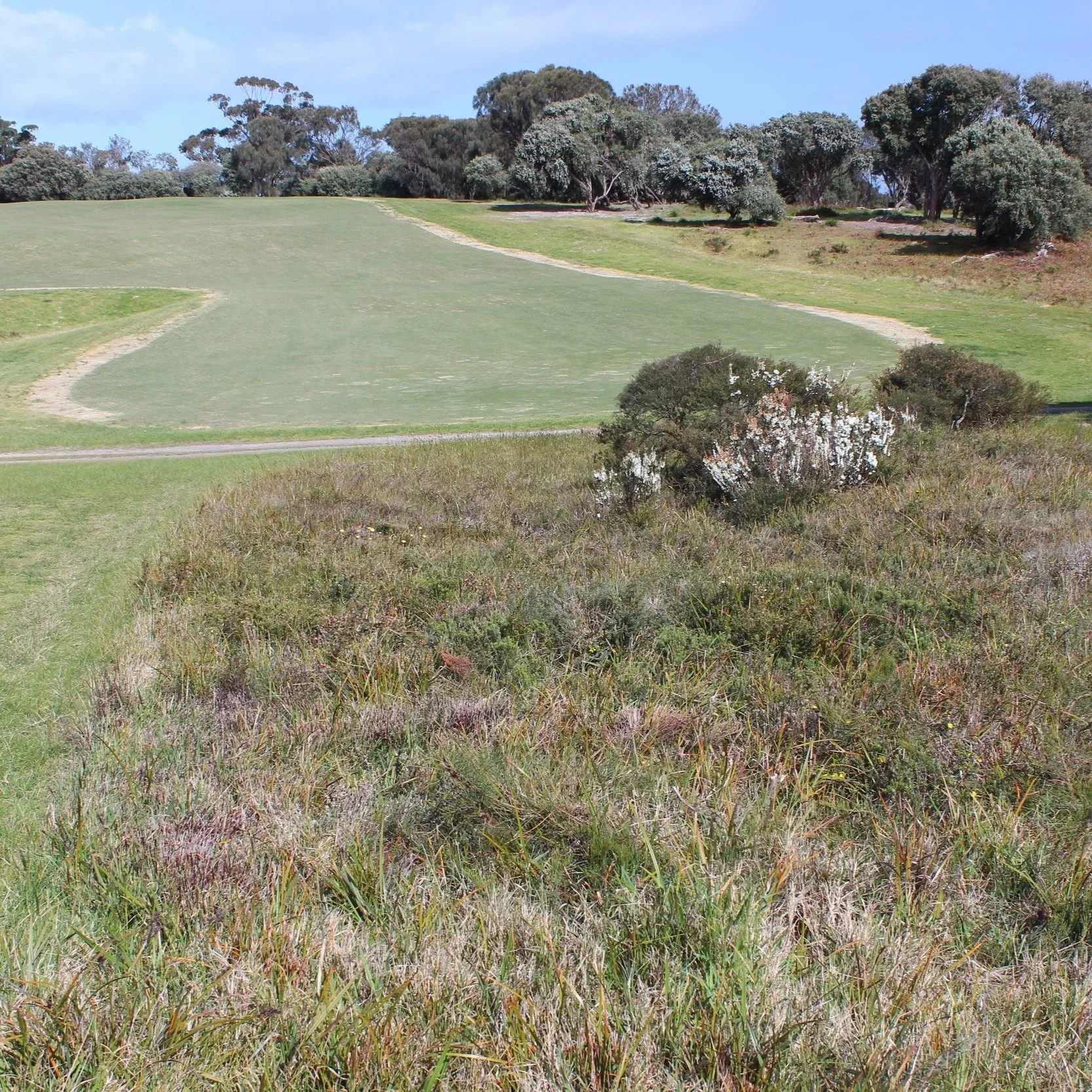
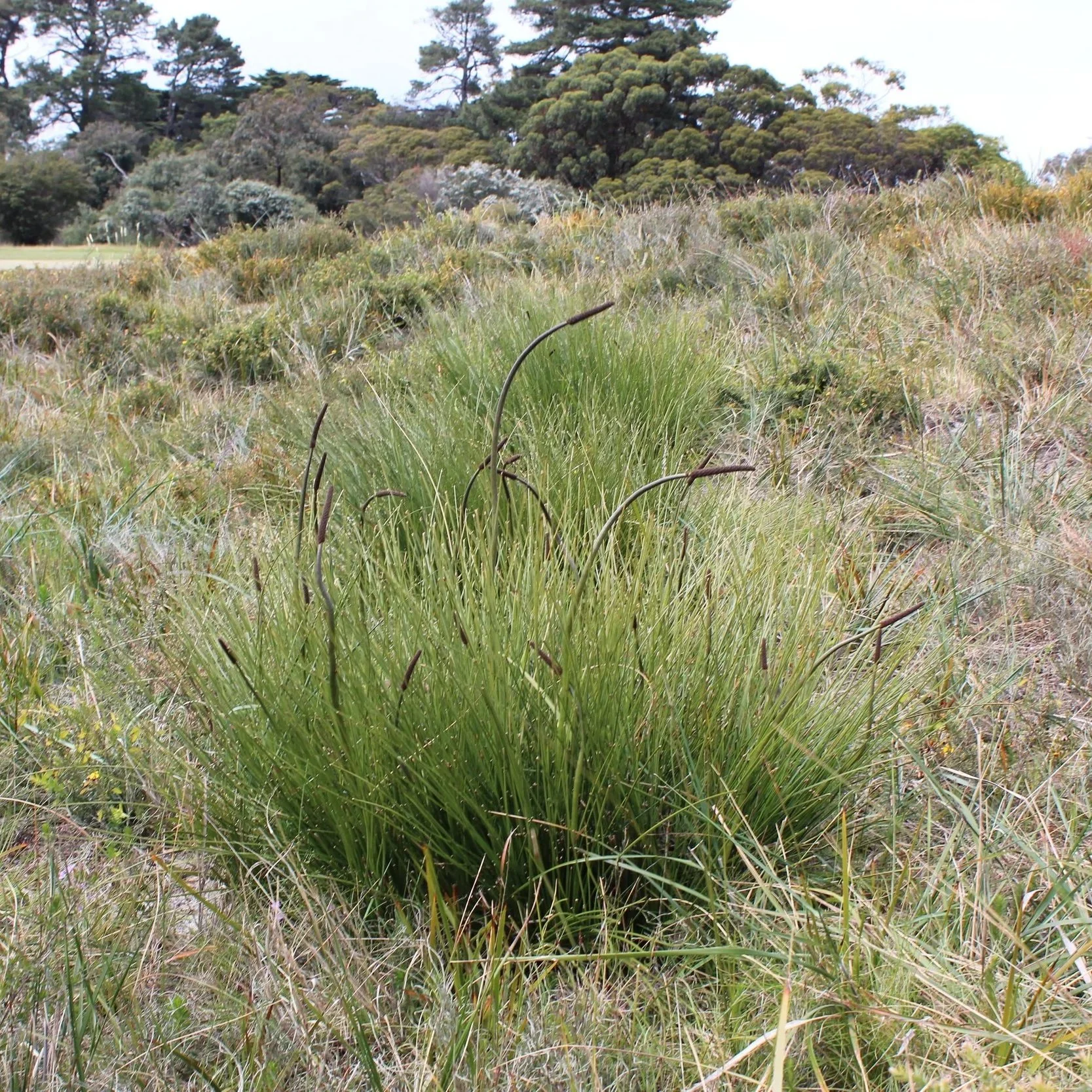
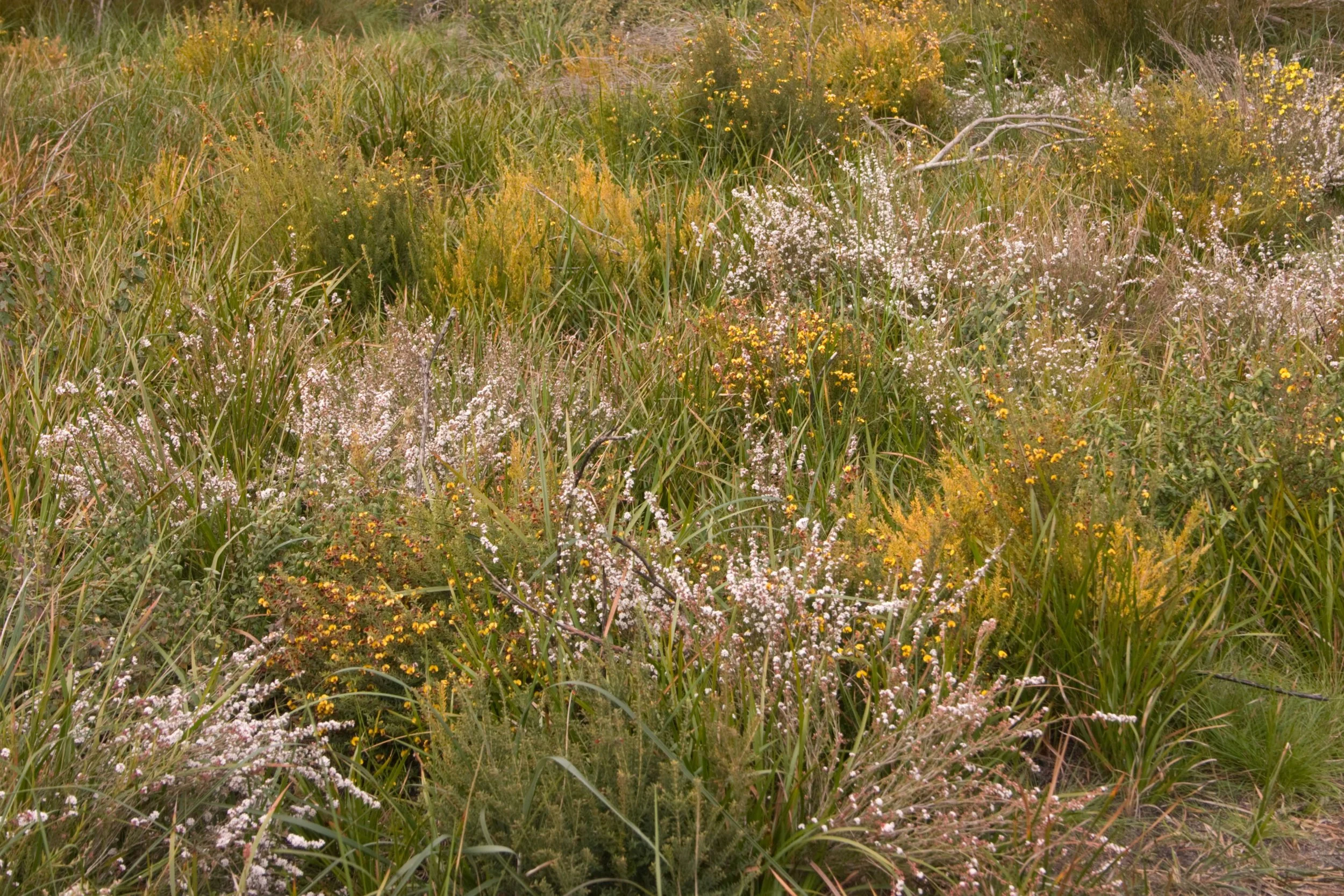
The other vision belongs to the original landscape of the Sandbelt itself. Open heathland, shaped by wind, drought and fire. A landscape mosaic of shrubs, grasses and wildflowers growing in shifting sandy soils. It is often sparse, irregular and seasonal in appearance, lacking the neatness of formal gardens, a landscape continually managed but not controlled
The Heathland
Two Ideas of Prestige
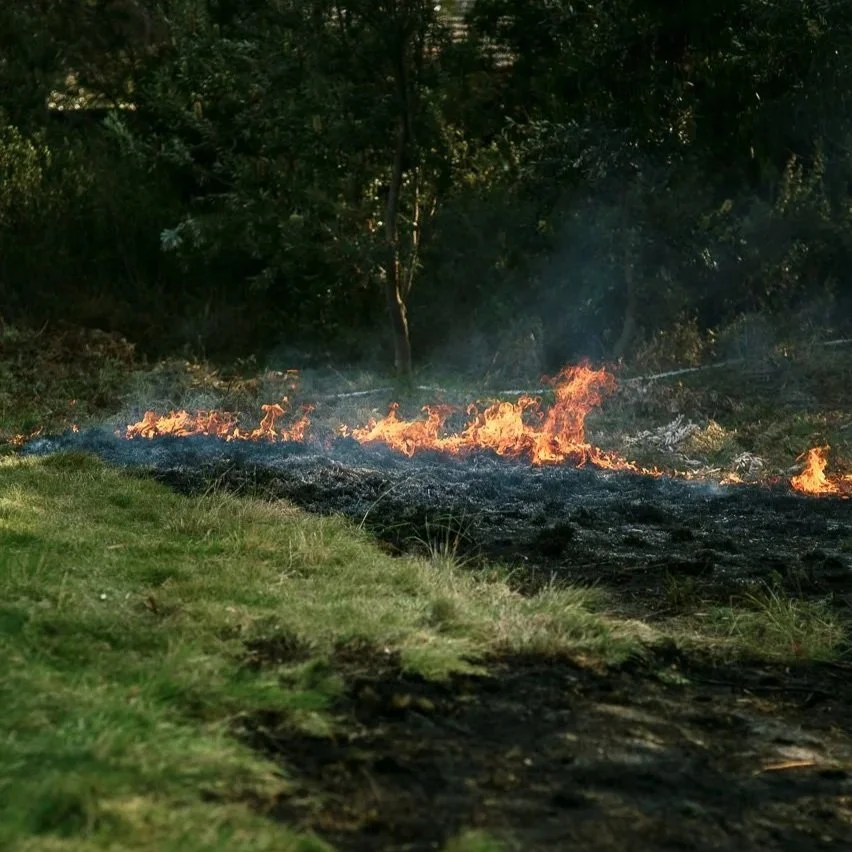
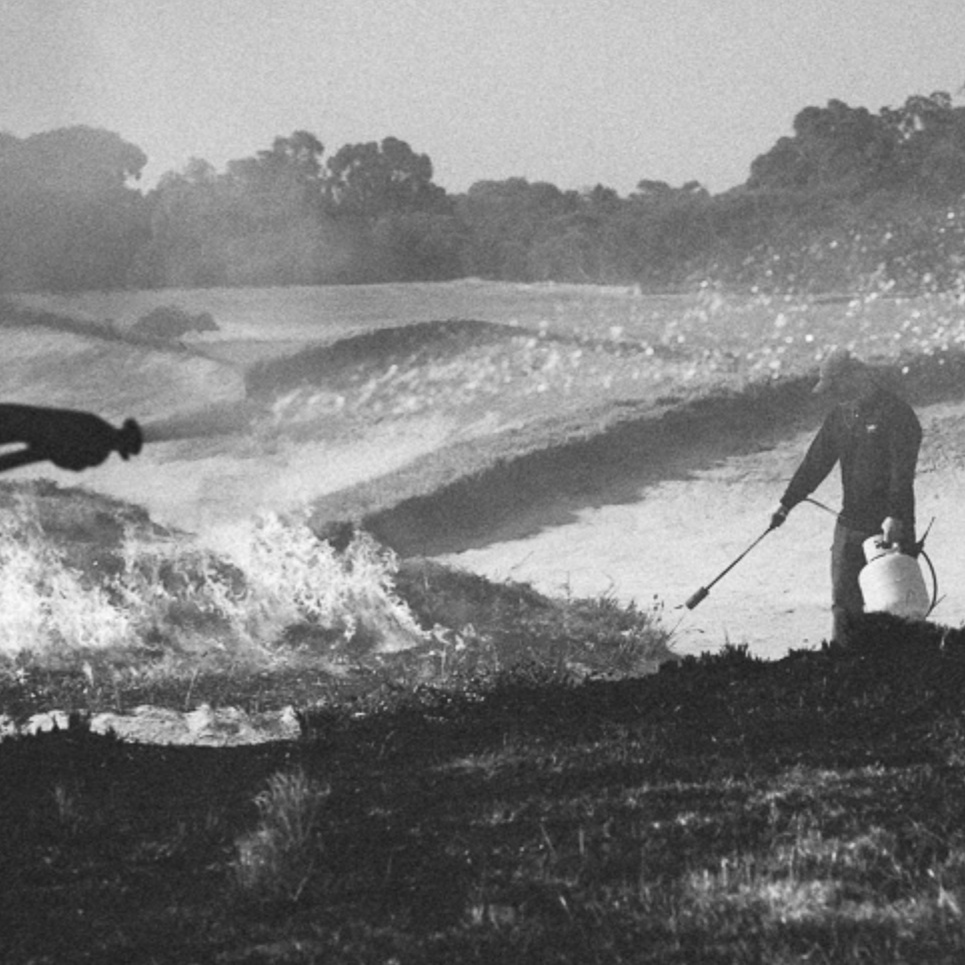
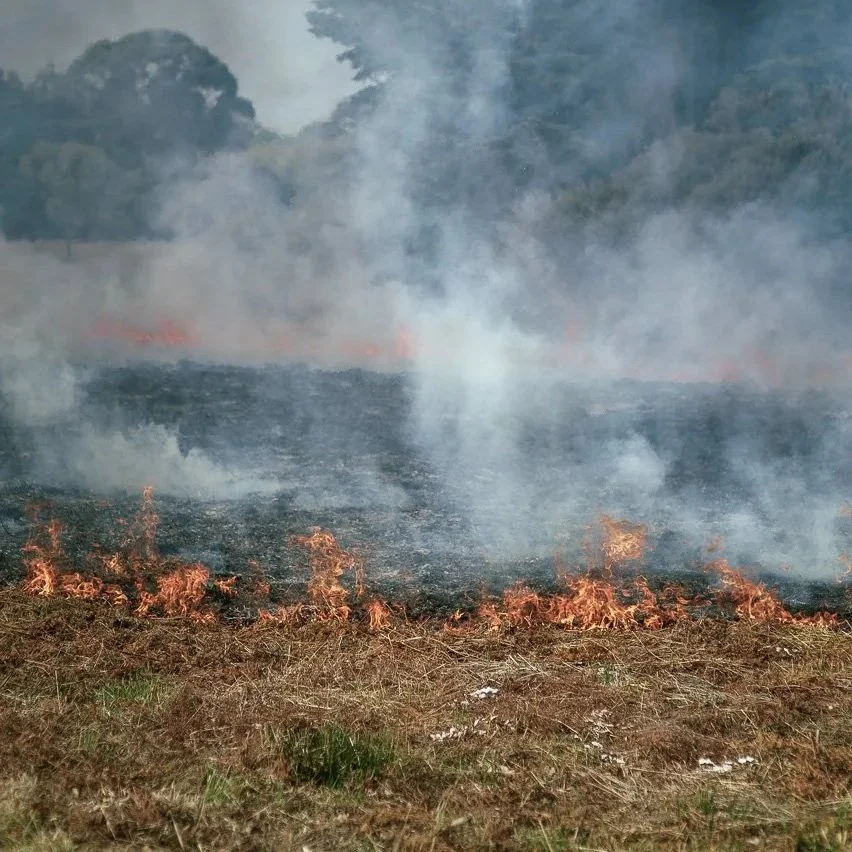
Early accounts of the construction of the original Sandringham course in 1901 describe fairways being carved through dense heathland and ti-tree. However, the appreciation and active management of this landscape did not begin in earnest until the 1990s, when a program of planned ecological burning was introduced during spring and autumn.
Today, under the stewardship of the club’s Horticulturist, Stuart Moodie, and Director of Courses, Richard Forsyth, Royal Melbourne has worked to restore and manage one of the most significant remnants of Sandbelt vegetation in metropolitan Melbourne. In doing so, the course has become a refuge for plant communities and landscape mosaics that have largely disappeared from the surrounding Bayside suburbs.
The restoration of Royal Melbourne’s Heathland Course reflects Alister MacKenzie’s original approach to golf course design — working with the existing Sandbelt landscape rather than replacing it with a conventional parkland character. The result is a course where golf, ecology and landscape are intrinsically linked.
Our recent work at Sandy Golf Links, directly opposite the site and also managed by Royal Melbourne, gave us a strong appreciation for just how distinctive this landscape character is. Combined with our relationship with the Bayside Community Nursery, which contract grows indigenous plant stock for many of the region’s golf courses and reserves, we saw an opportunity to extend that character into the 3PS development.
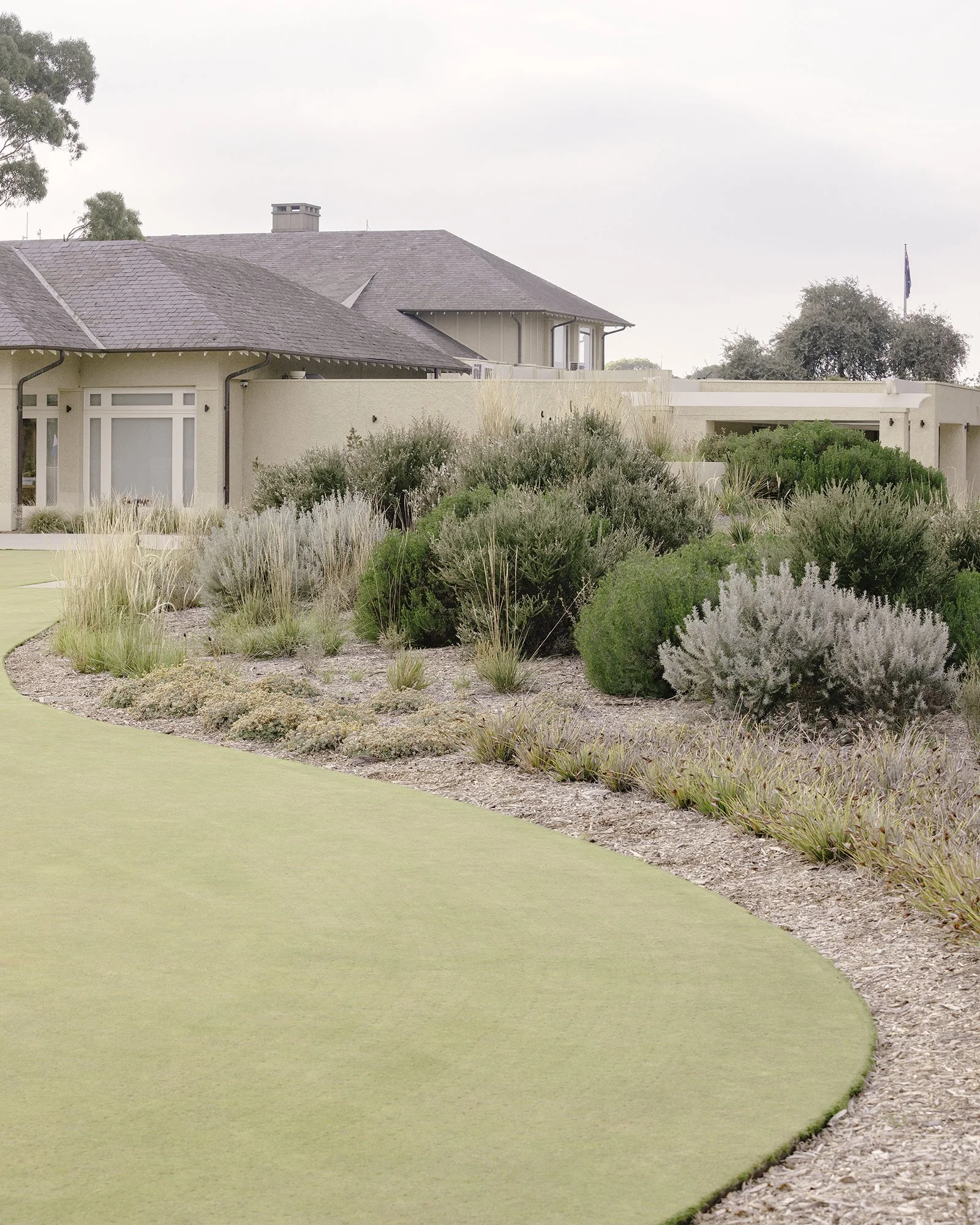
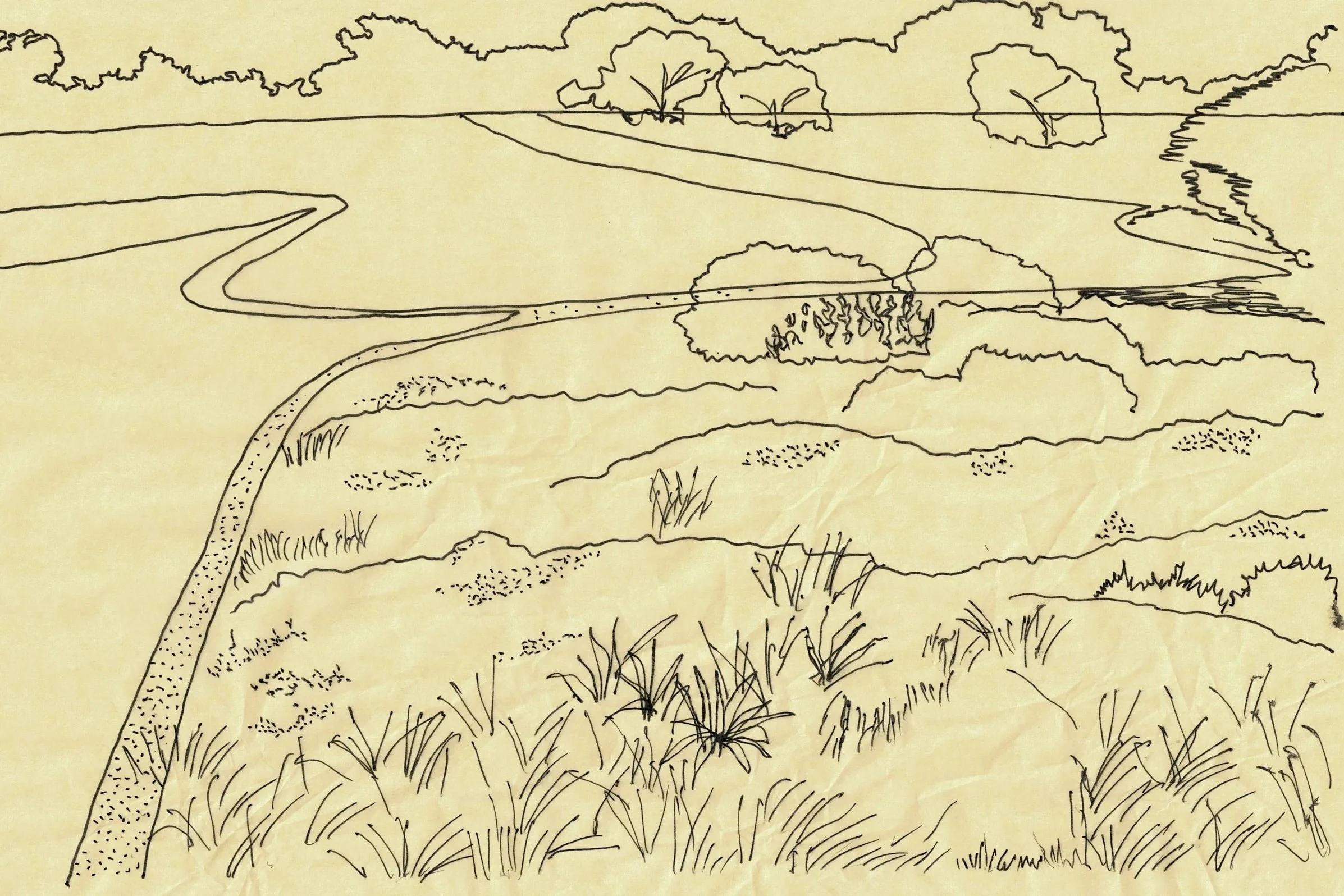
Rather than relying on a formal ornamental planting palette, the landscape response draws directly from the vegetation communities of the Sandbelt. Indigenous shrubs, grasses and groundcovers have been used to reinforce the open heathland character of the area and place this unique local landscape at the forefront of the development.
The 3PS Project
Working with constraints
Rather than trying to compete with the formal architecture, manicured putting surfaces and clipped cypress hedges, we asked whether the landscape could do the opposite. Could the wildness and informality of the Sandbelt heathland make the formal elements stronger through contrast?
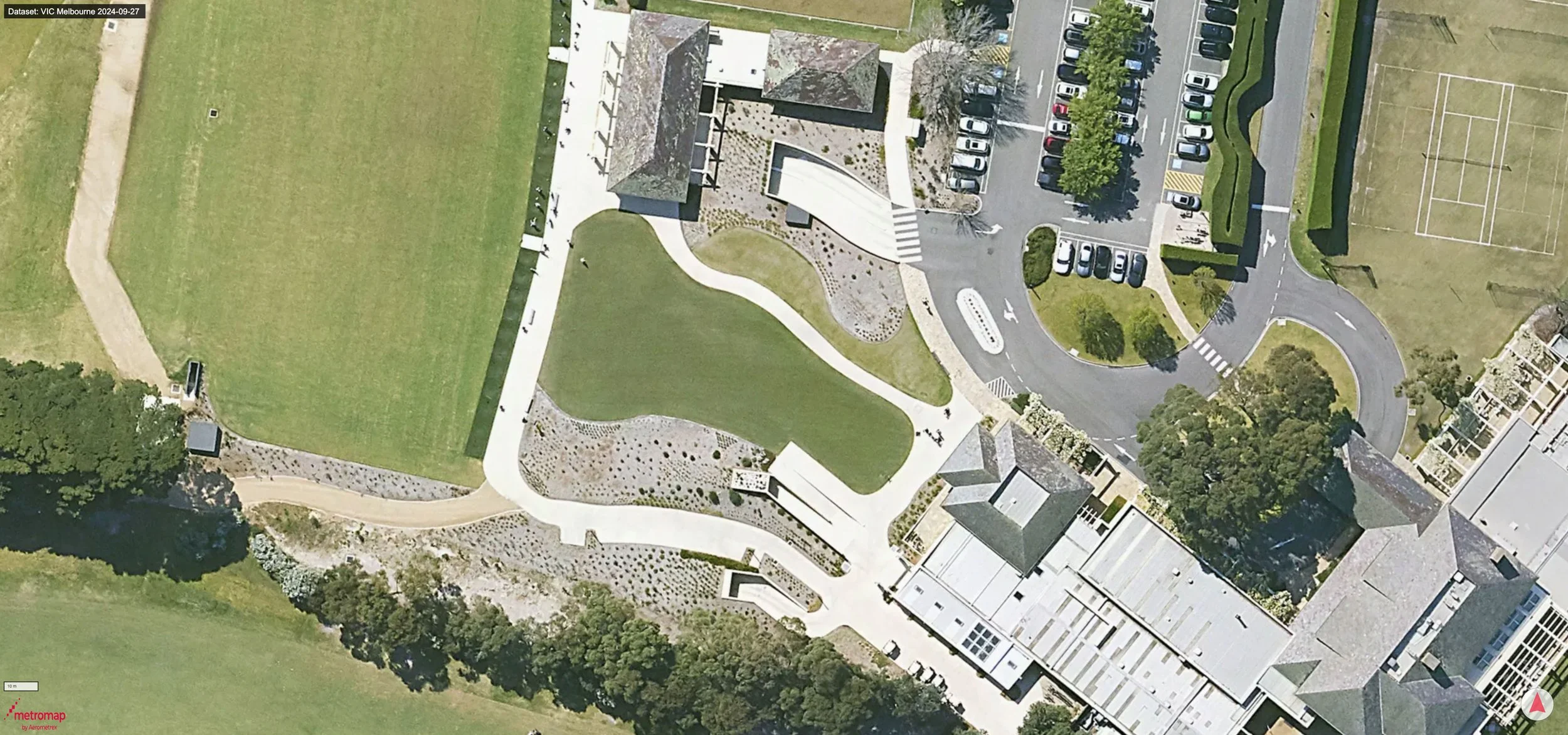
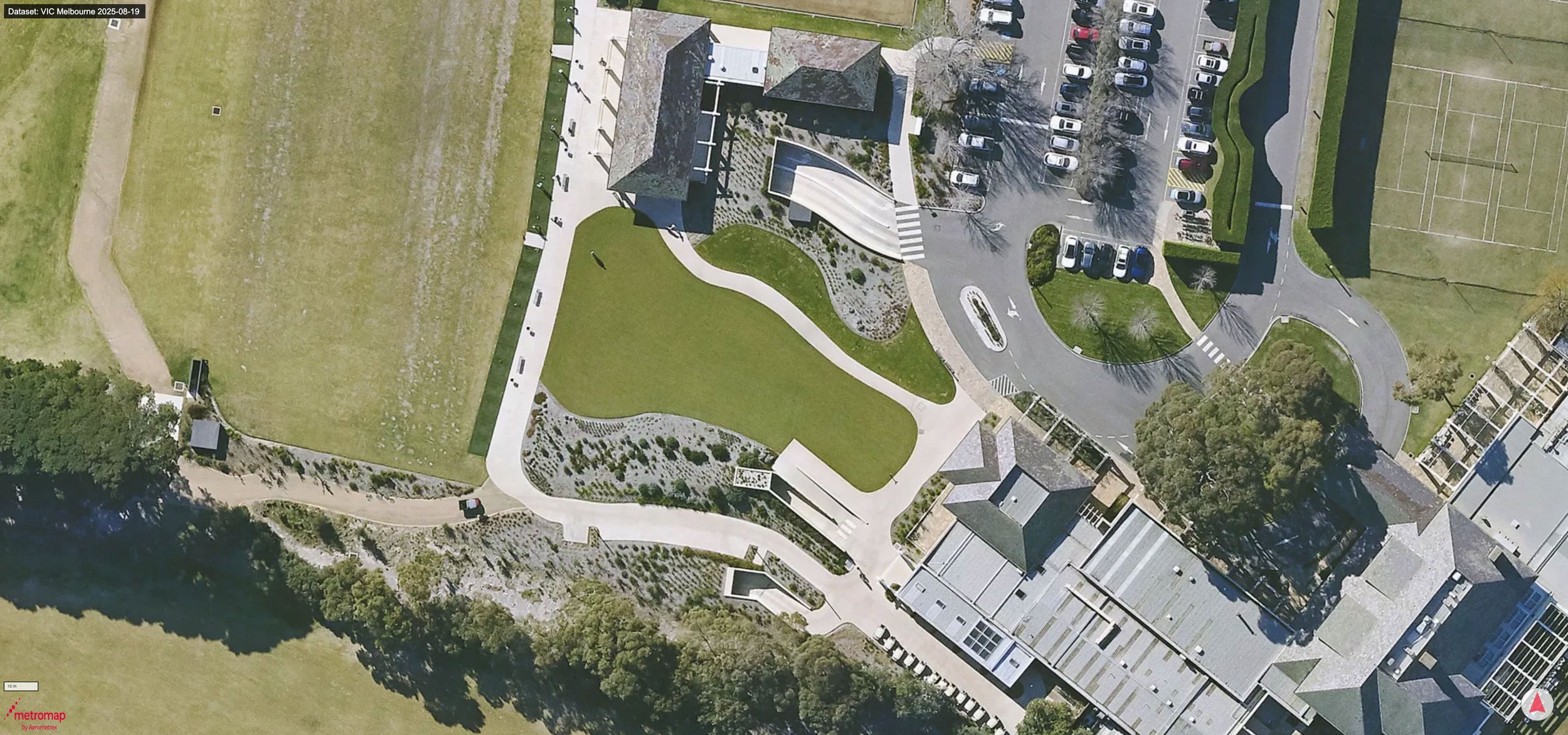
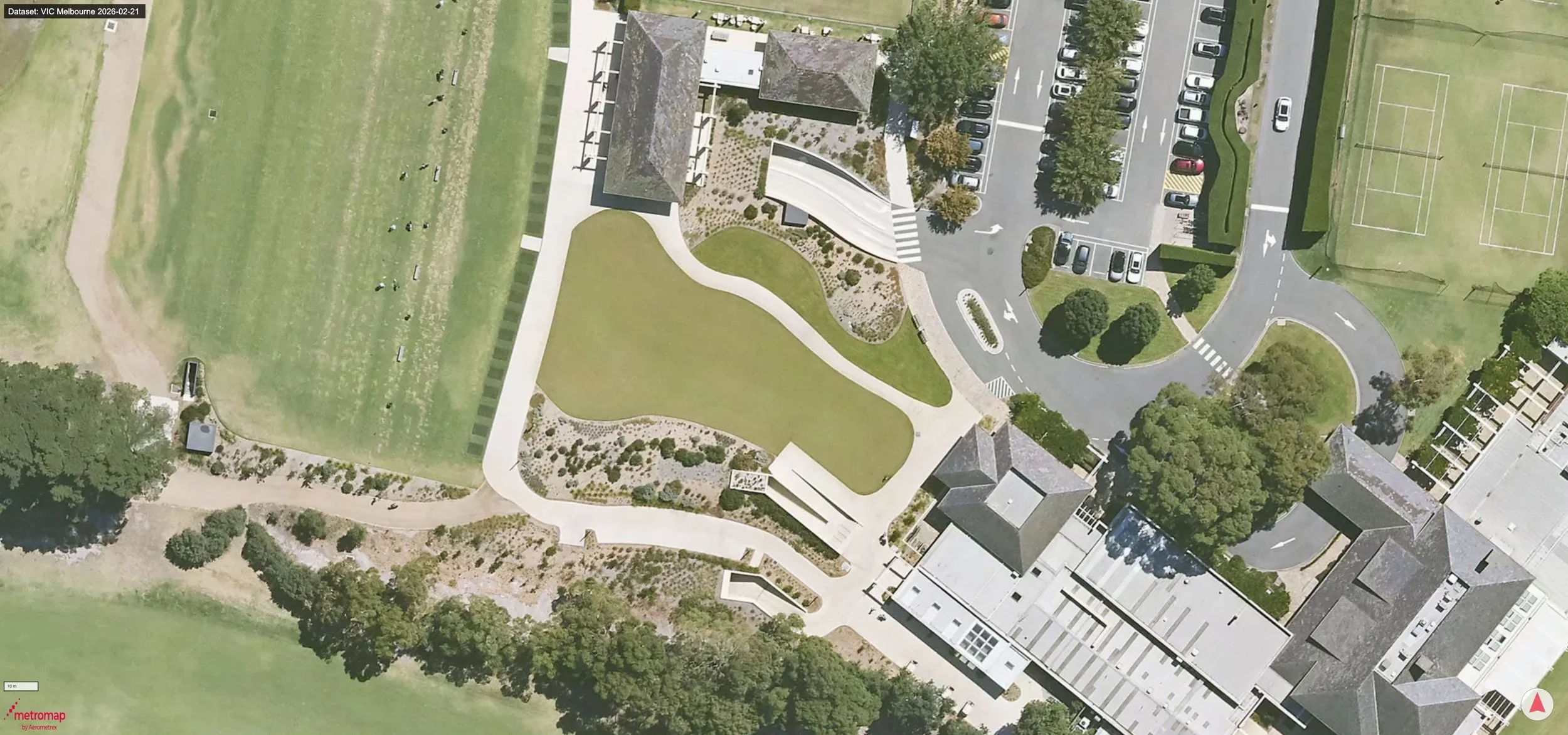
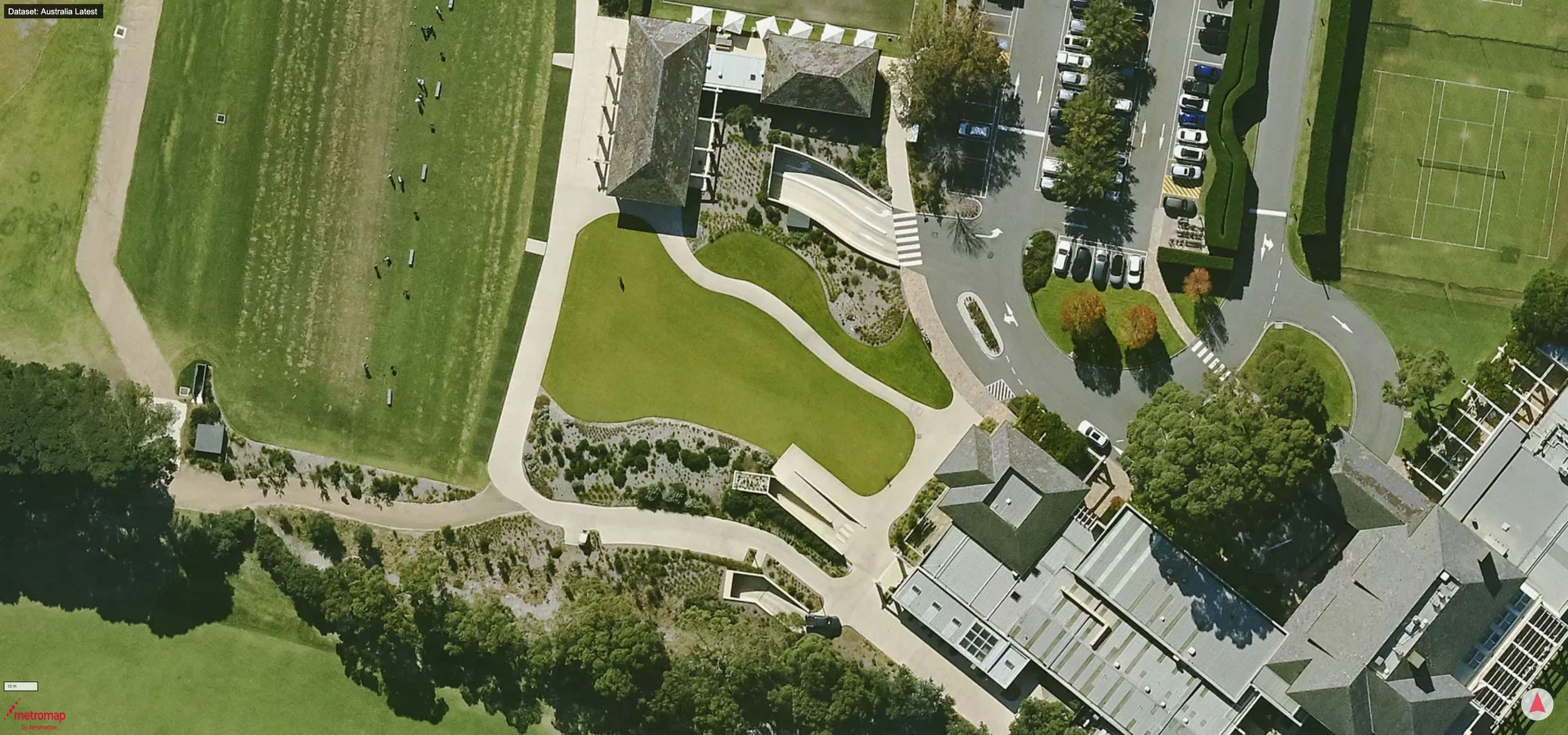
This approach became increasingly relevant as the project developed. Much of the landscape sits above a basement car park, with soil depths limited in some locations to approximately 300-400mm of nutrient-poor and free-draining sandy fill over a 150mm ballast rock drainage layer.
Instead, the site conditions reaffirmed our sandy heathland-inspired approach.
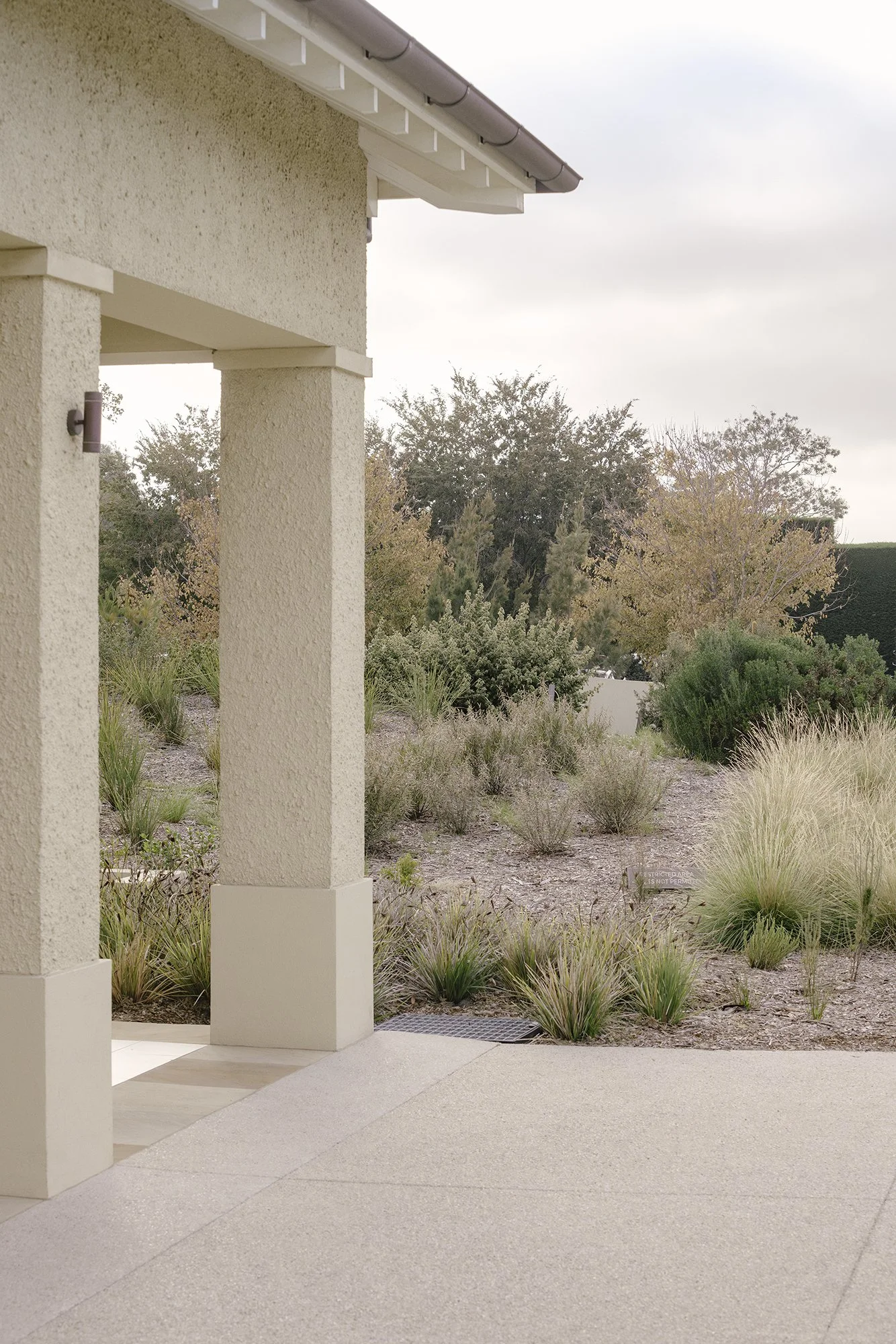
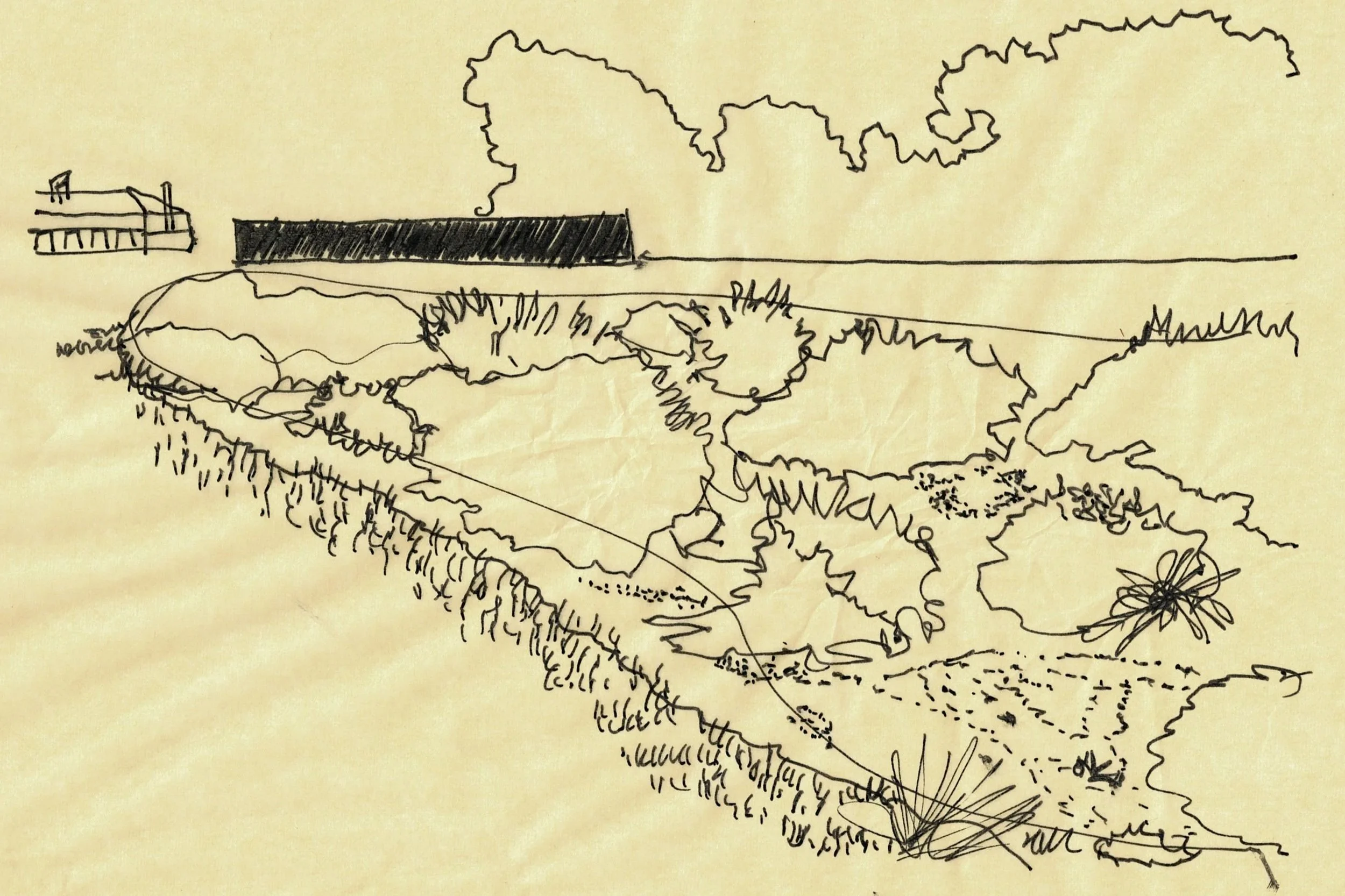
Garden beds were mounded against walls and structural elements to maximise available soil volume and support larger planting. Species selection focused on coastal and heathland plants indigenous to the Bayside area that naturally perform in shallow, free-draining sandy soils and low nutrient conditions.
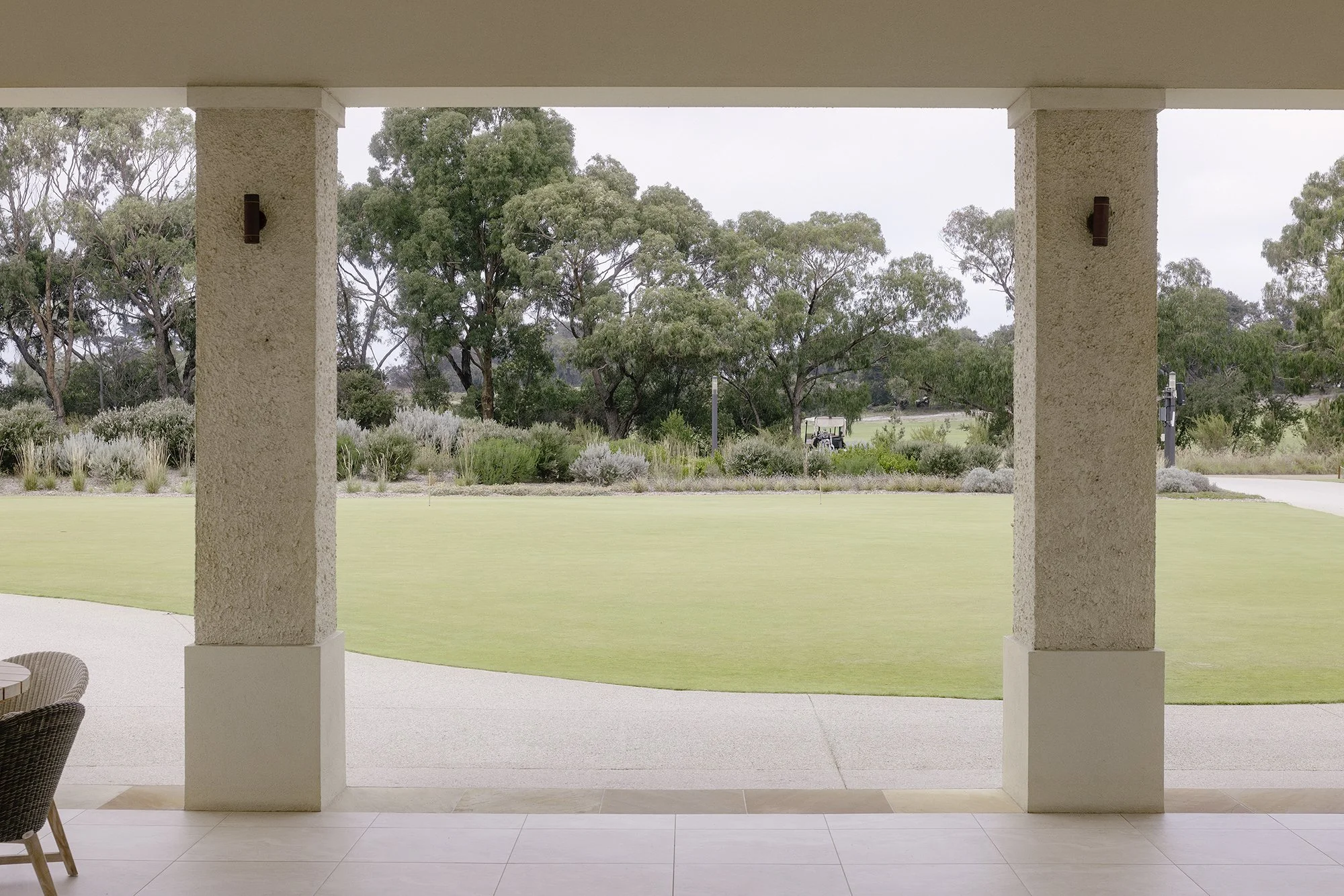
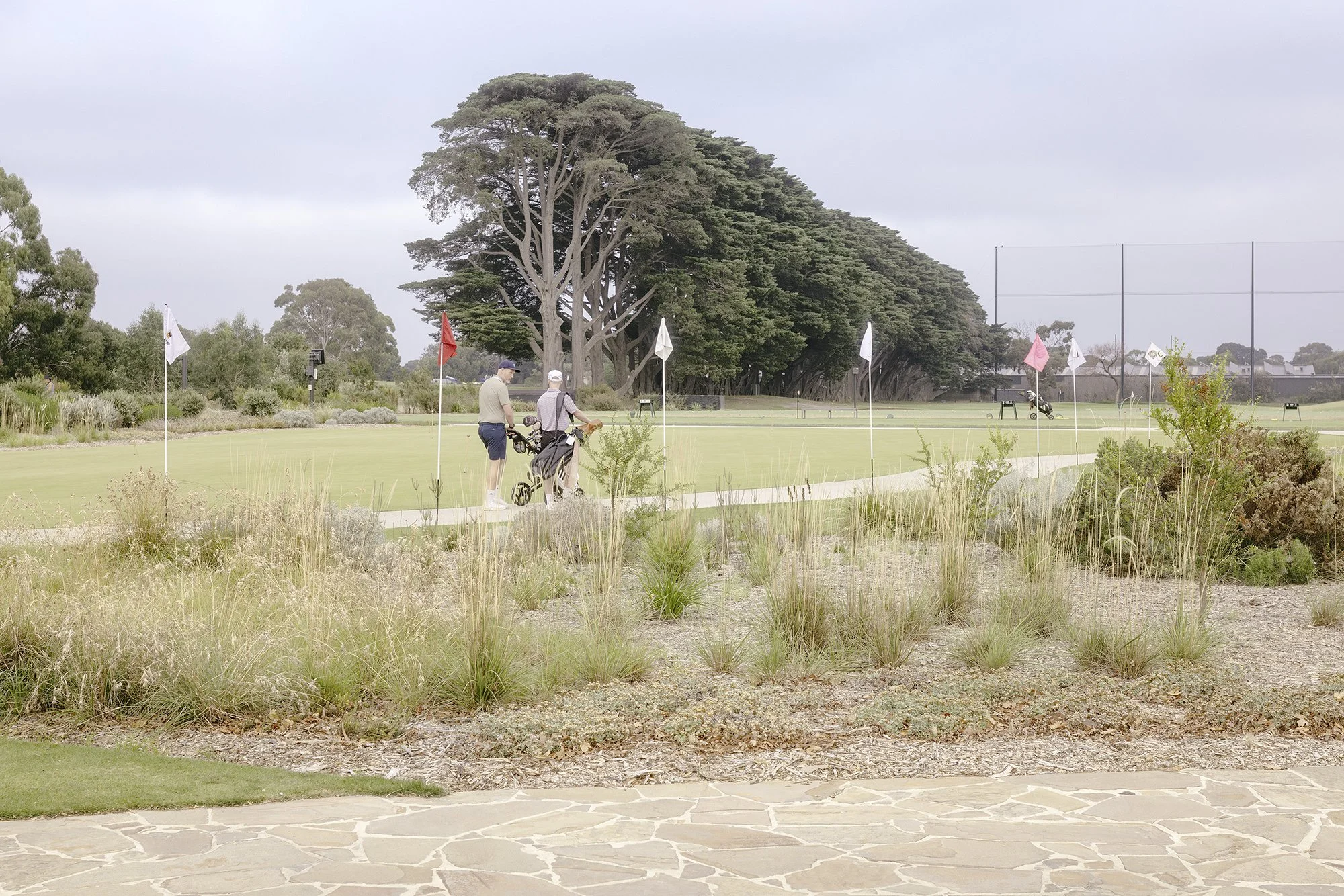
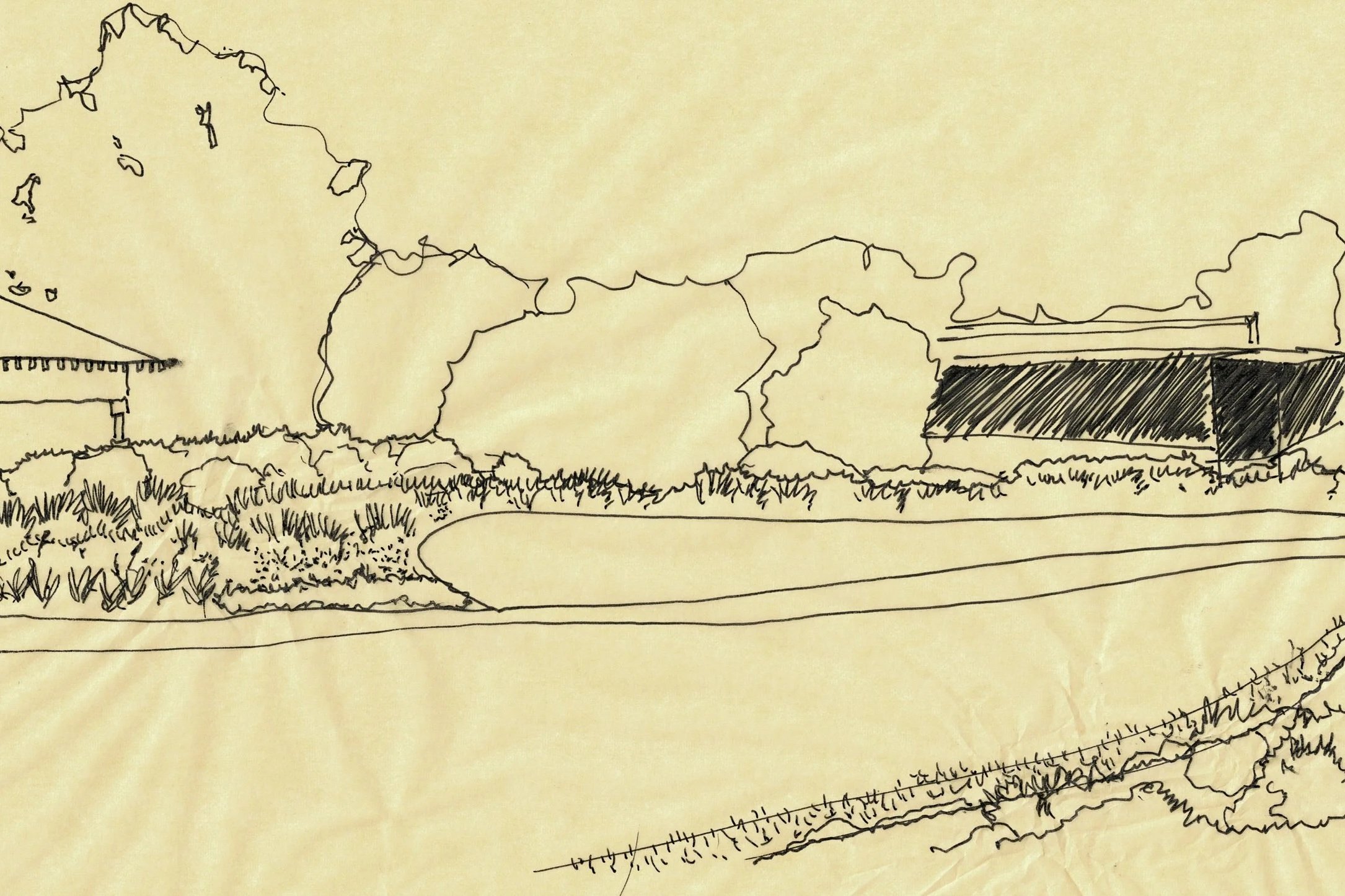
The landscape was also used to reinforce views across the new practice putting green and westward through the driving range. Rather than obscuring these outlooks, the lower heathland planting helps frame and focus them.
Materials
Grounded in the existing club
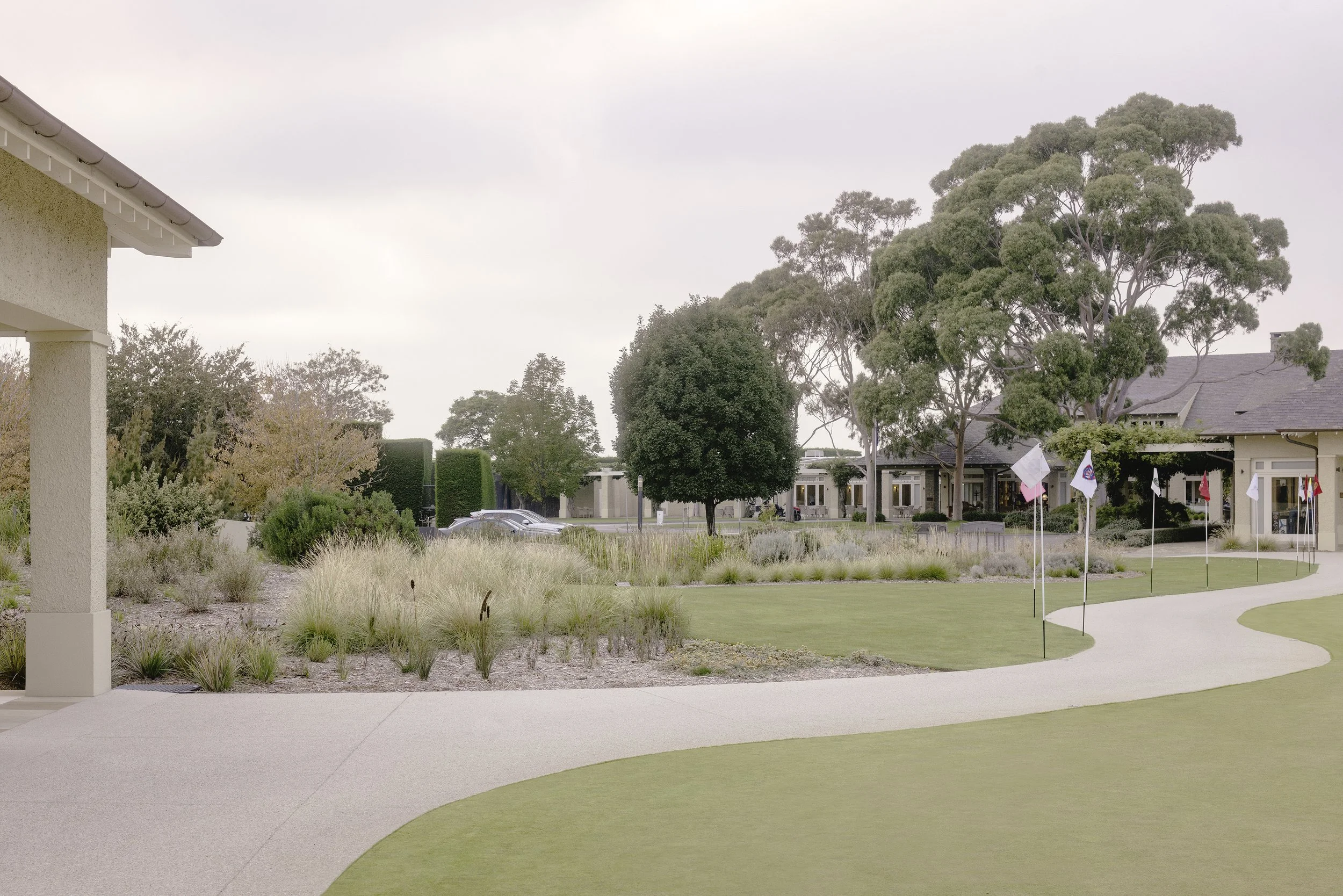
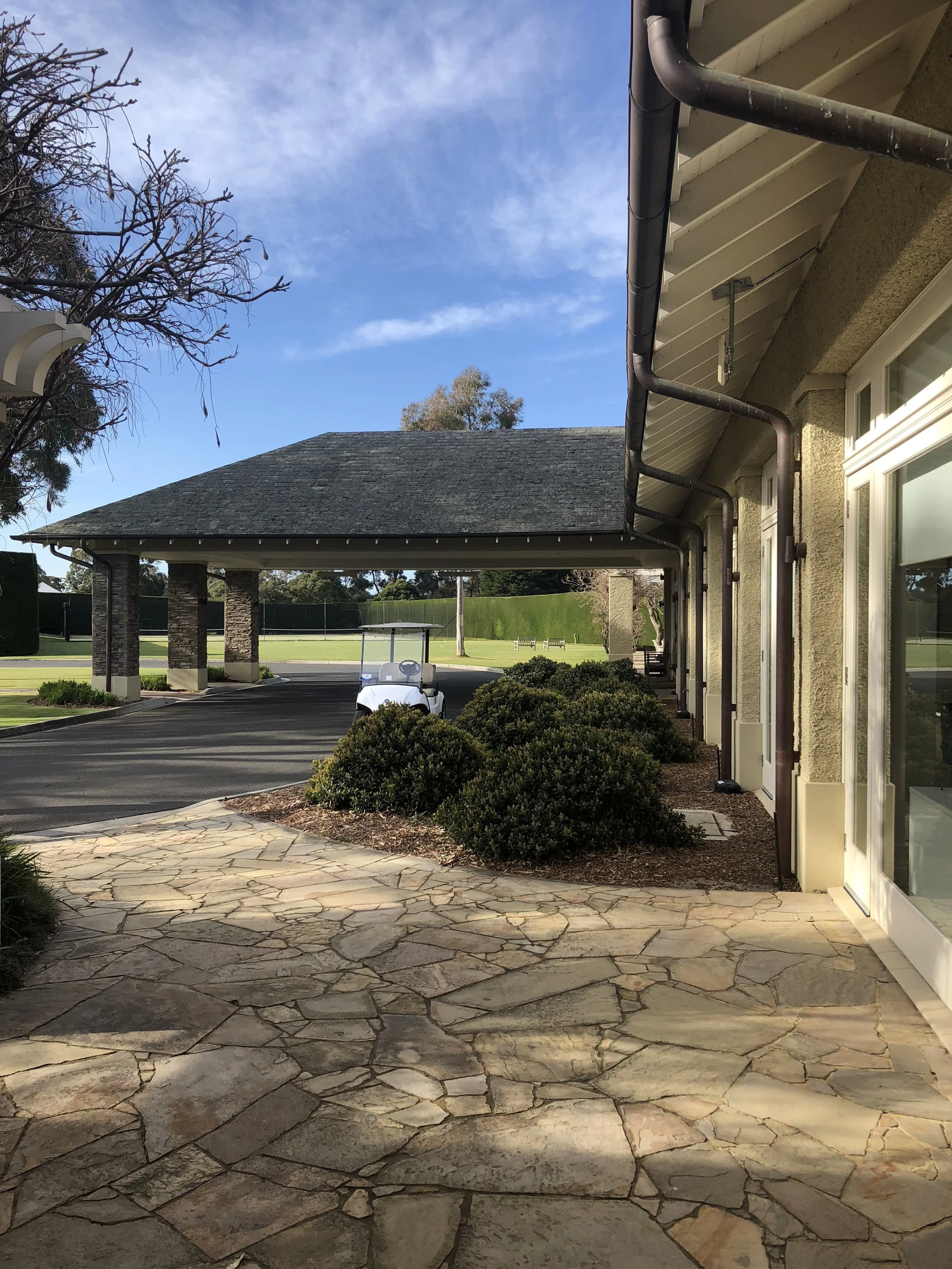
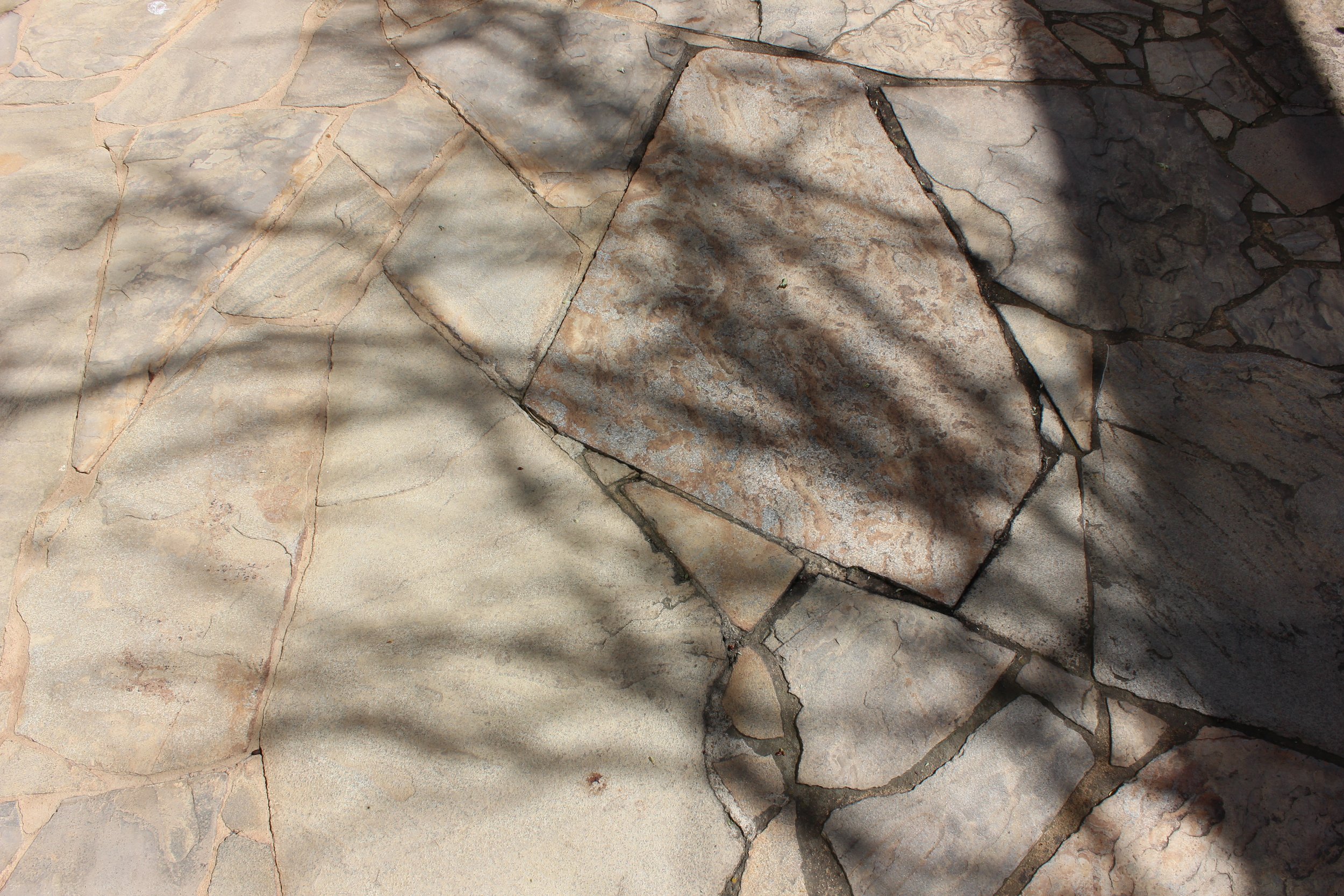
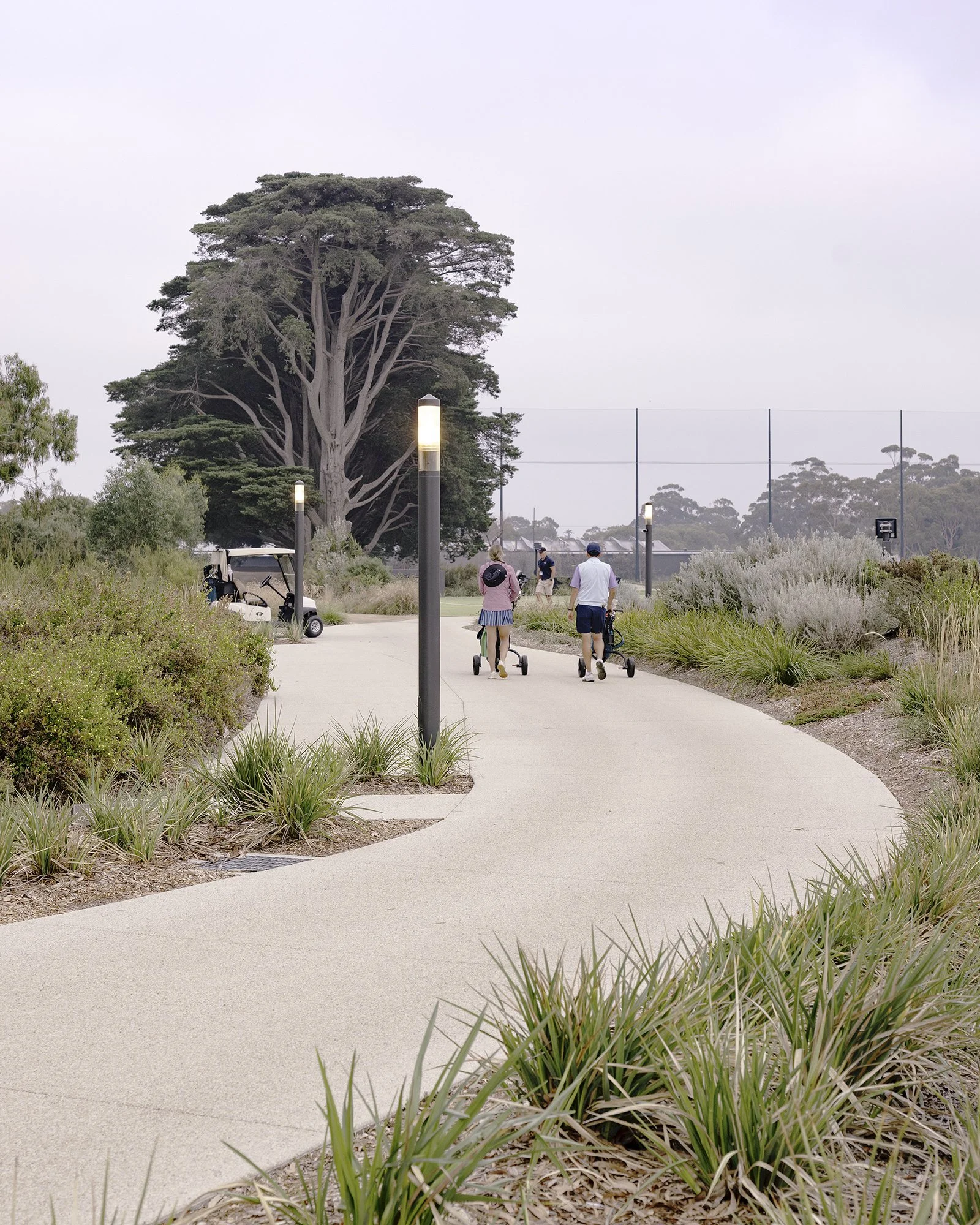
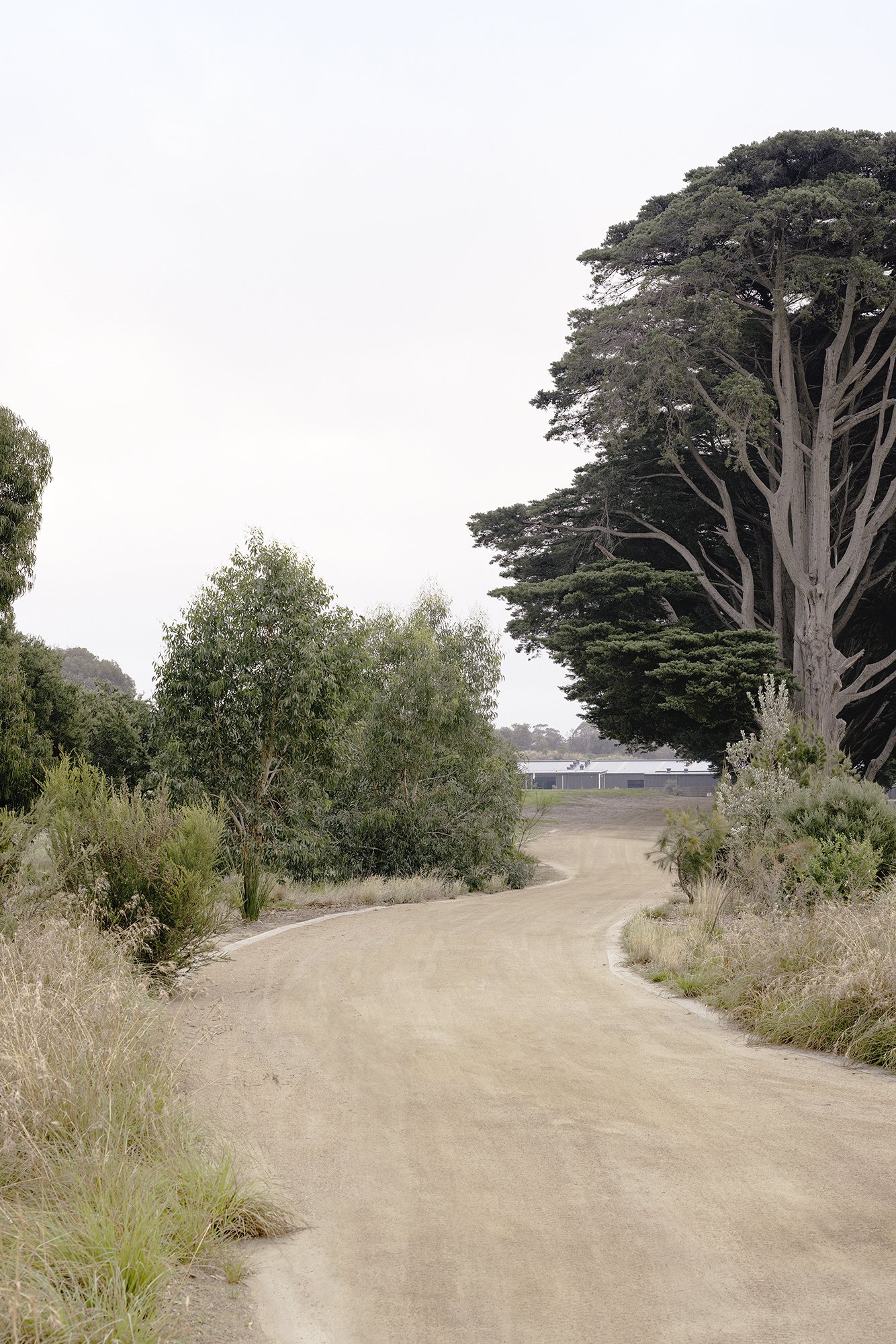
The surface treatment palette draws heavily from materials already established throughout Royal Melbourne. Winding granitic sand paths, Castlemaine slate crazy paving and exposed aggregate concrete were selected to create continuity between the new development and the existing clubhouse precinct.
The granitic sand paths provide an informal connection through the landscape, while the slate paving introduces texture and definition to key gathering spaces. Exposed aggregate concrete provides a durable and practical surface for higher traffic areas.
Together, these materials reinforce the club’s existing character and help ground the development within its sandbelt setting, creating a natural transition between the formal clubhouse environment and the surrounding heathland landscape.
Planting The Sandbelt
Grounded in the existing club
The planting approach was not about recreating a piece of untouched heathland. Instead, the objective was to capture the character of the Sandbelt and express it in a way that felt appropriate to the setting.
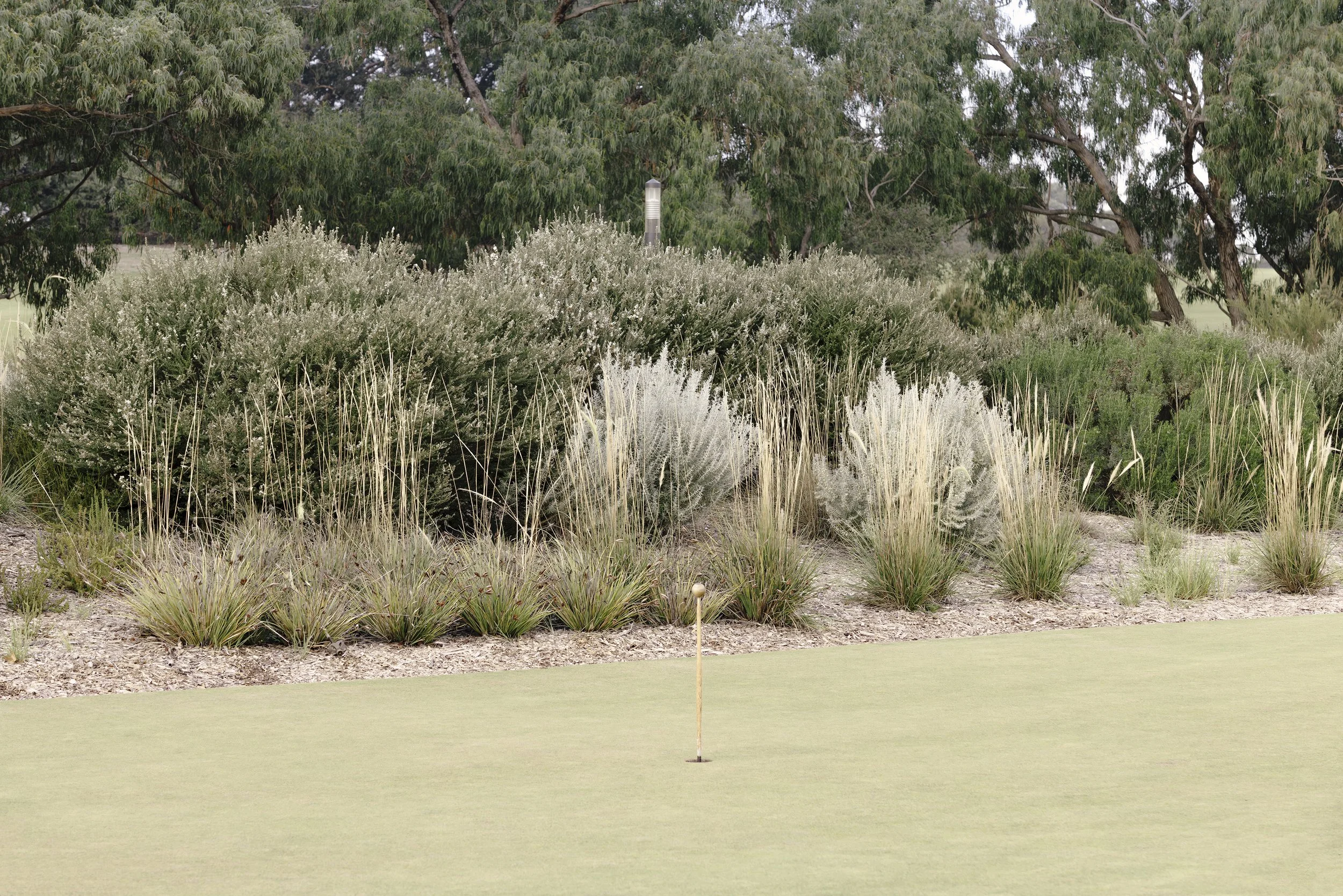
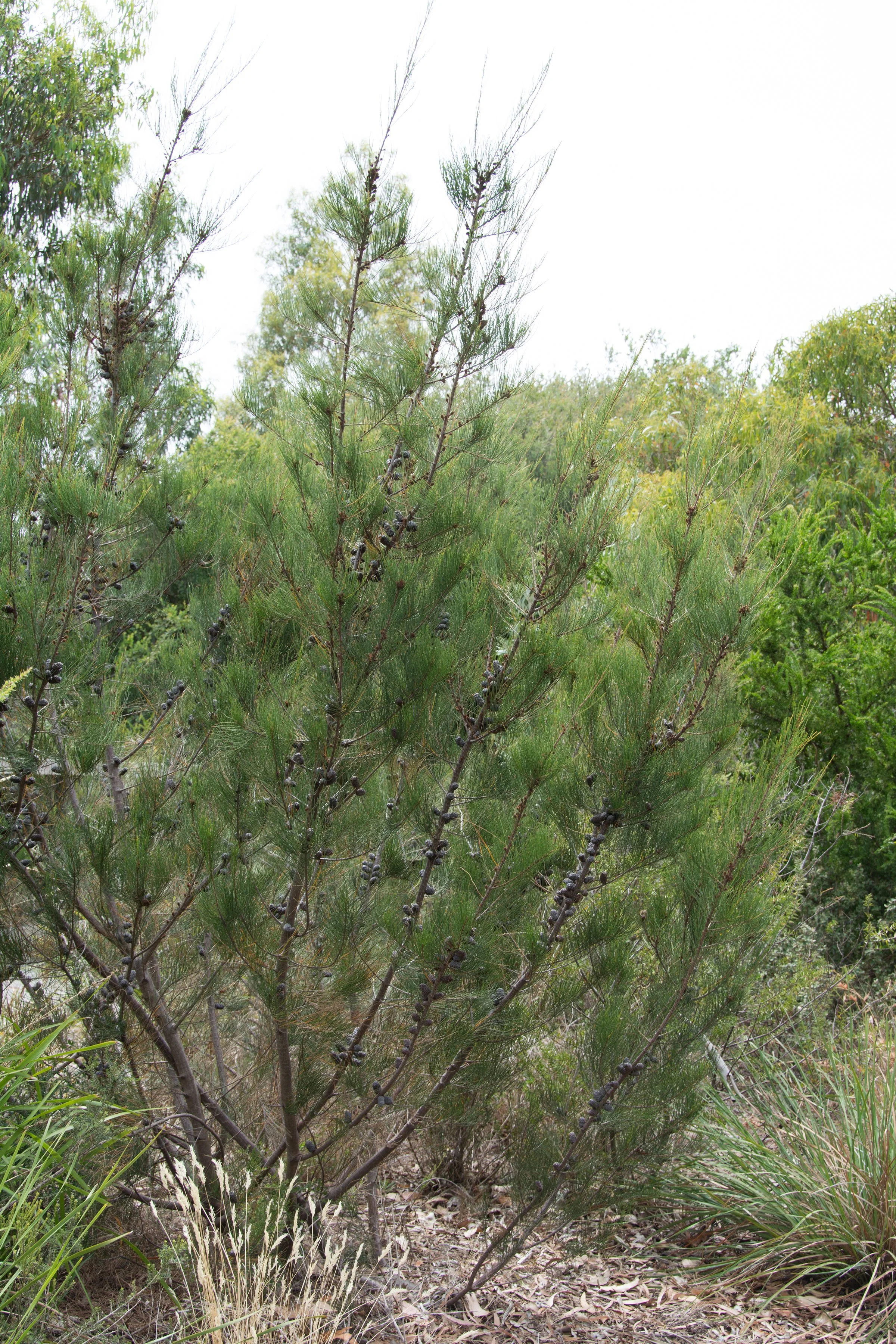
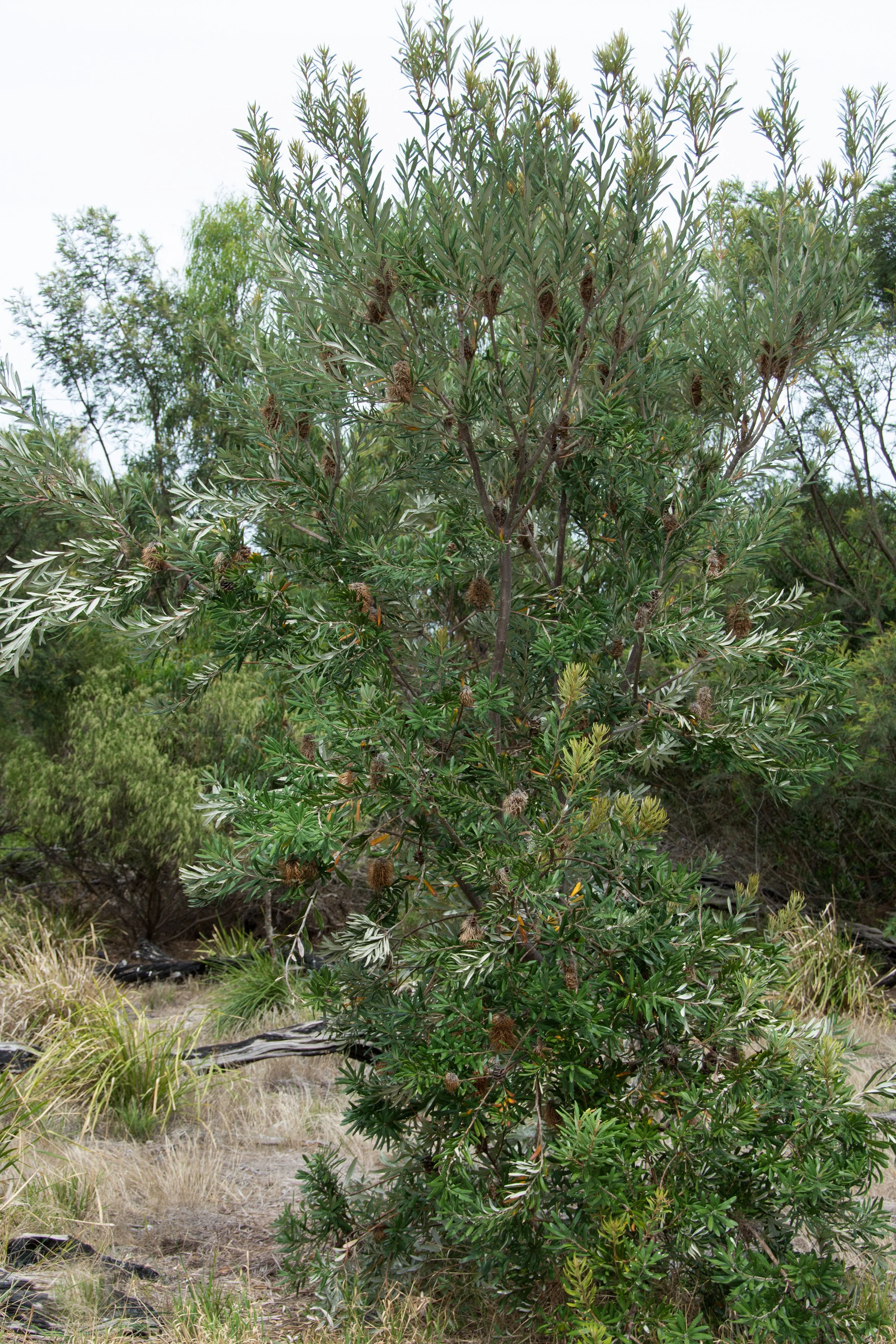
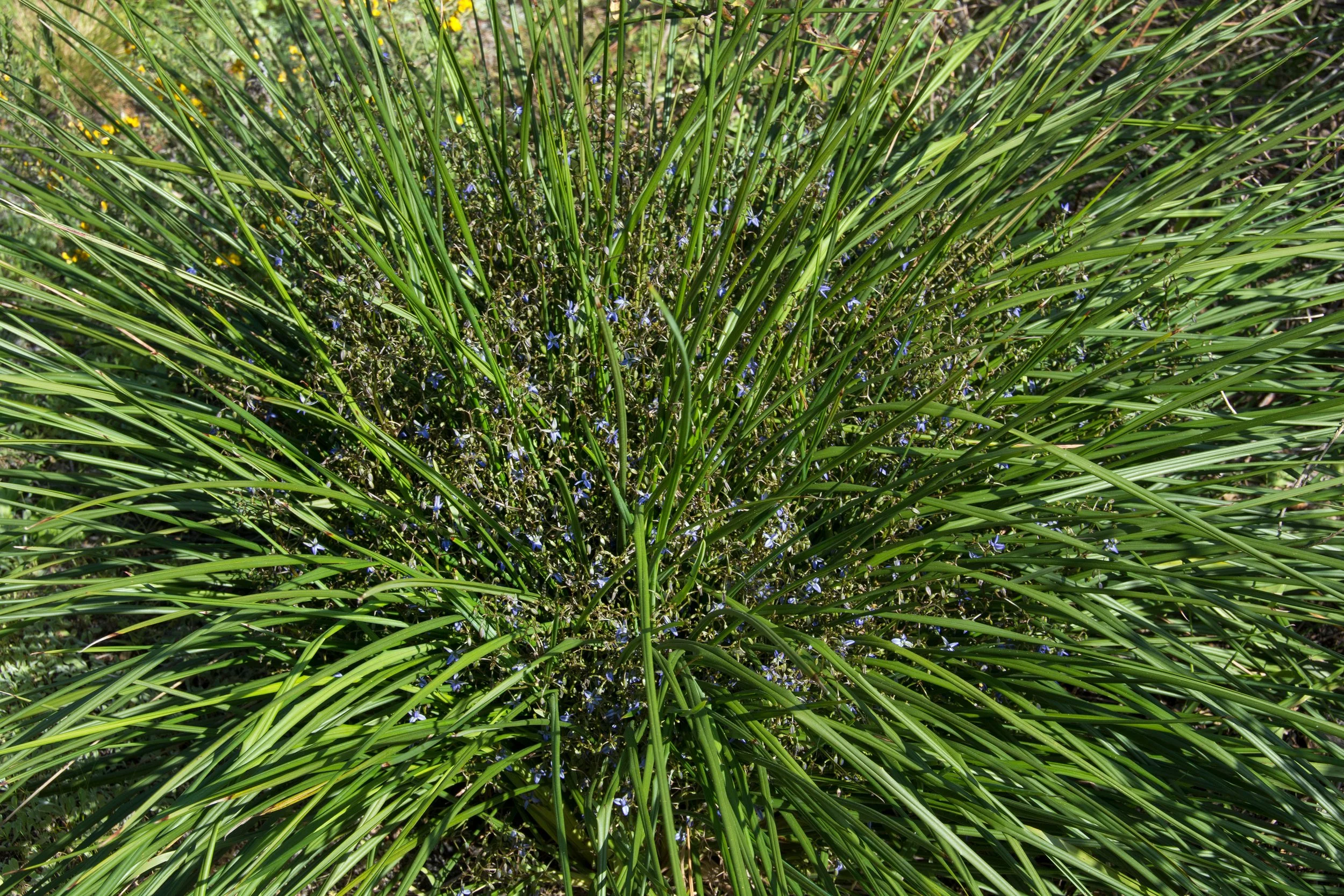
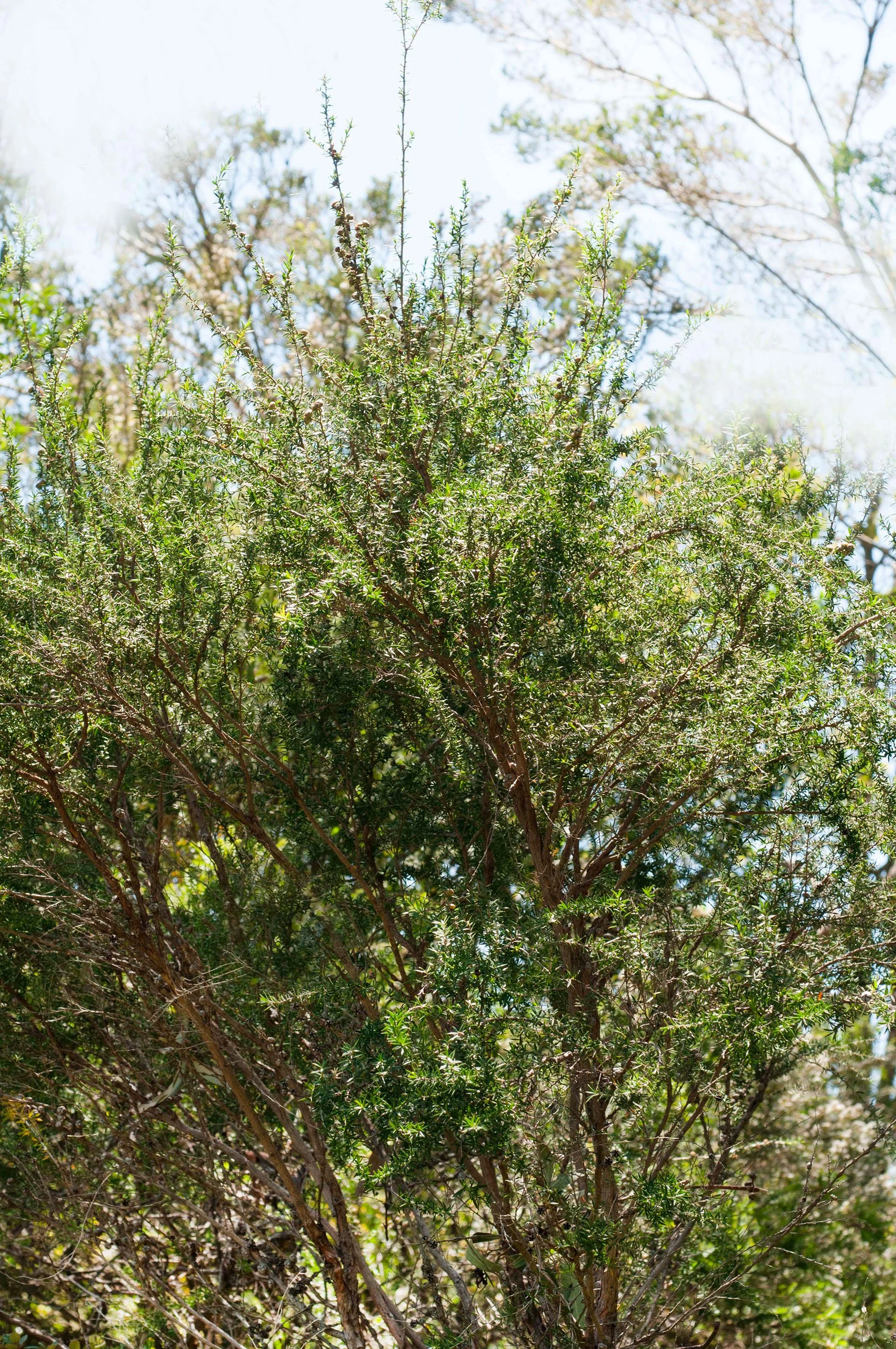
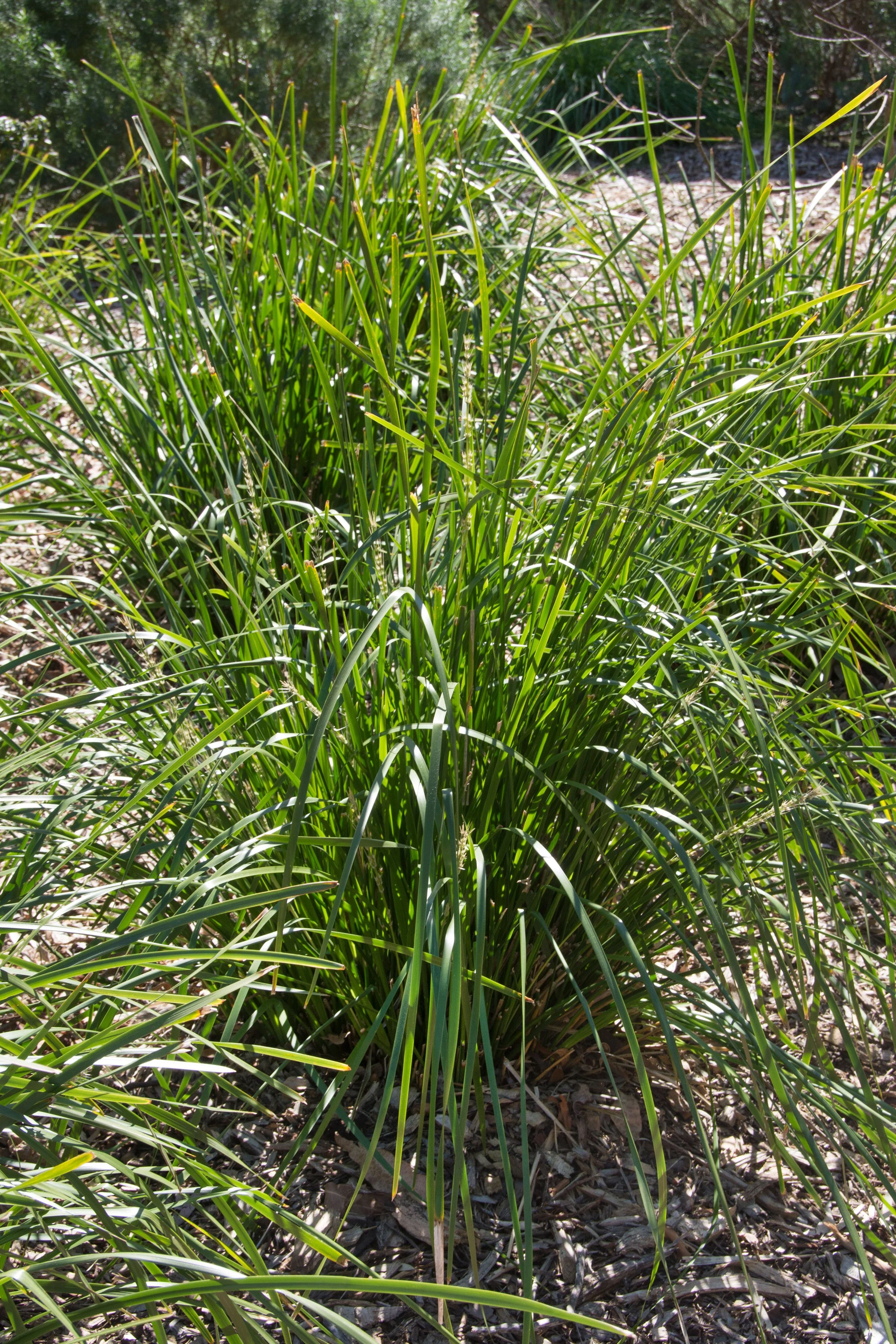
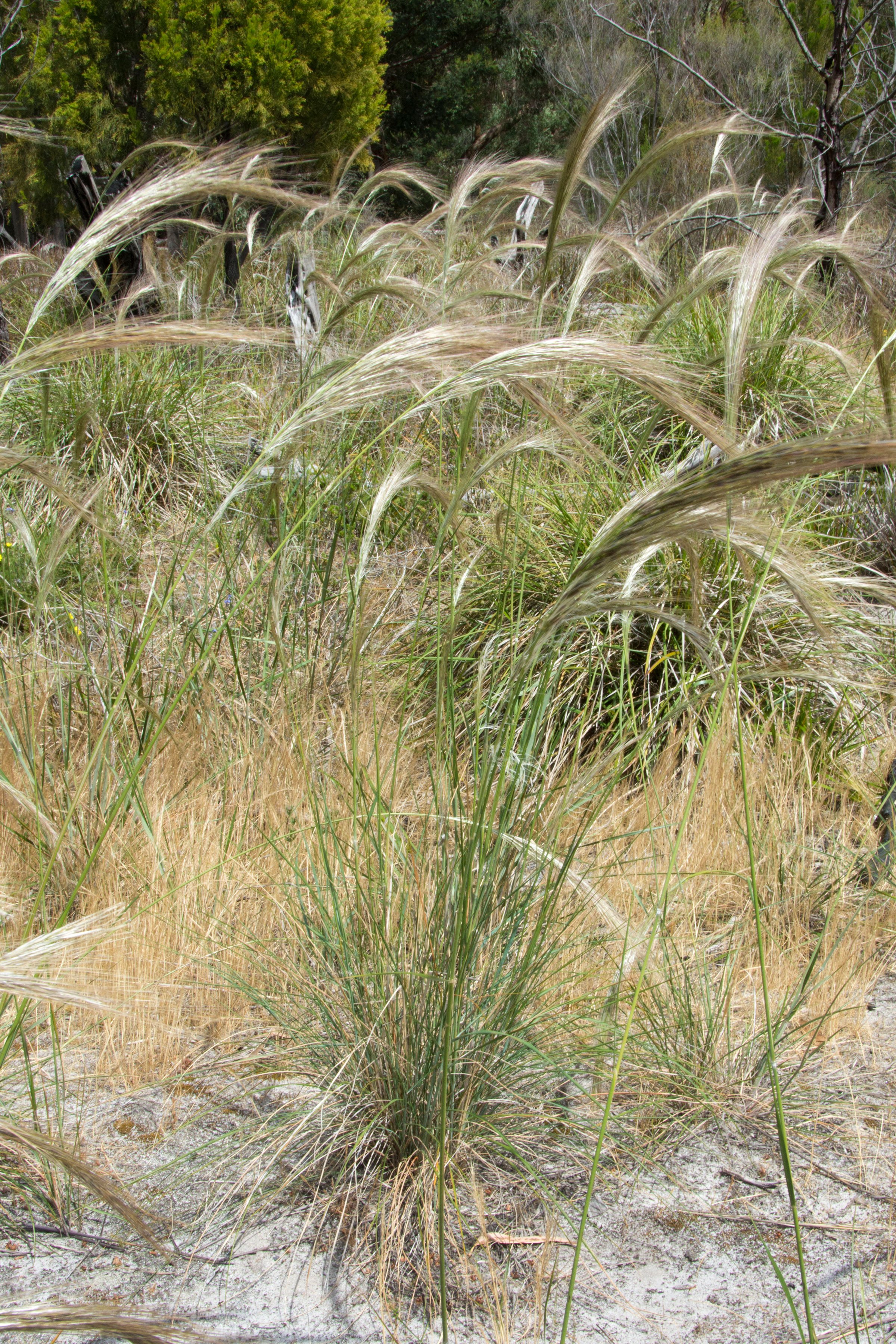
Many of the species were drawn from coastal and heathland plant communities found throughout Bayside. Coastal Banksia, Silver Banksia, Correa, Prickly Tea Tree, Native Fuchsia and Slender Velvet Bush were combined with grasses such as Coastal Spear Grass, Lomandra and Dianella. These plants are well adapted to dry, sandy conditions and naturally occur in landscapes shaped by wind, low fertility soils and periodic fire.
The planting composition was guided by a few simple principles. Silver-grey foliage was deliberately mixed with darker green shrubs to create visual contrast and seasonal variation. Lower grasses and groundcovers were concentrated around the edges of the putting greens, creating a gradual transition between the highly maintained turf and the more naturalistic planting beyond. Larger shrubs were grouped to form pockets of density and texture, while small numbers of Banksias were used to provide height and structure without blocking views across the course.
From a distance, the landscape appears informal and almost spontaneous. Up close, however, it is carefully arranged to frame views, direct movement, and reinforce the contrast between the precision of the golf course and the rugged character of the Sandbelt.
Plant Species List
TreesAllocasuarina littoralis - Black she-oak
Banksia integrifolia - Coastal Banksia
Banksia marginata - Silver Banksia
ShrubsAcacia paradoxa - Kangaroo Thorn
Allocasuarina paradoxa - Green she-oak
Correa alba - White Correa
Correa reflexa - Native Fuchsia
Goodenia ovata - Hop Goodenia
Lasiopetalum baueri - Slender Velvet Bush
Leptospermum continentale - Prickly Tea Tree
Leucophyta browni - Cushion Bush
Olearia axillaris - Coast Daisy-bush
Olearia glutinosa - Sticky Daisy-bush
Olearia ramulosa - Twiggy daisy-bush
Pomaderris paniculosa subsp. paralia - Shining Dogwood
Grasses and LiliesAustrostipa mollis - Supple Spear-grass
Dianella brevicaulis - Coast flax lily
Dianella longifolia - Blueberry lily
Lomandra longifolia - Spiny-headed Mat-Rush
Poa poiformis - Coast tussock grass
Themeda triandra - Kangaroo grass
GroundcoversAcaena novae - zelandiae - Bidgee widgee
Chrysocephalum apiculatum - Common everlasting
In Conclusion
The 3PS project is not measured by how many plants were installed, how many square metres were landscaped, or how closely the gardens resemble remnant heathland. It lies in something less tangible. The project demonstrates that landscape architecture is often at its most effective when it stops trying to dominate a site and instead reveals and attempts to educate people on what is already there.
For decades, the Sandbelt was viewed as something to be cleared, improved or formalised. Today, it is increasingly recognised as one of Melbourne’s most distinctive landscapes. The 3PS development provided an opportunity to continue that shift in thinking. Rather than clutching ideas drawn from the classical golf landscapes of Europe or North America, we looked to the site, the soils, the ecology and the history of Royal Melbourne itself.
The result is not a recreation of the Heathland Course, nor is it a traditional clubhouse garden. It sits somewhere between the two. Formal where it needs to be. Wild where it can be. Managed, but not over-controlled.
What we learnt by engaging with the course management team, club and stakeholders is that the most valuable design move is recognising what makes a place unique and making room for it to be seen.