Roof Gardens
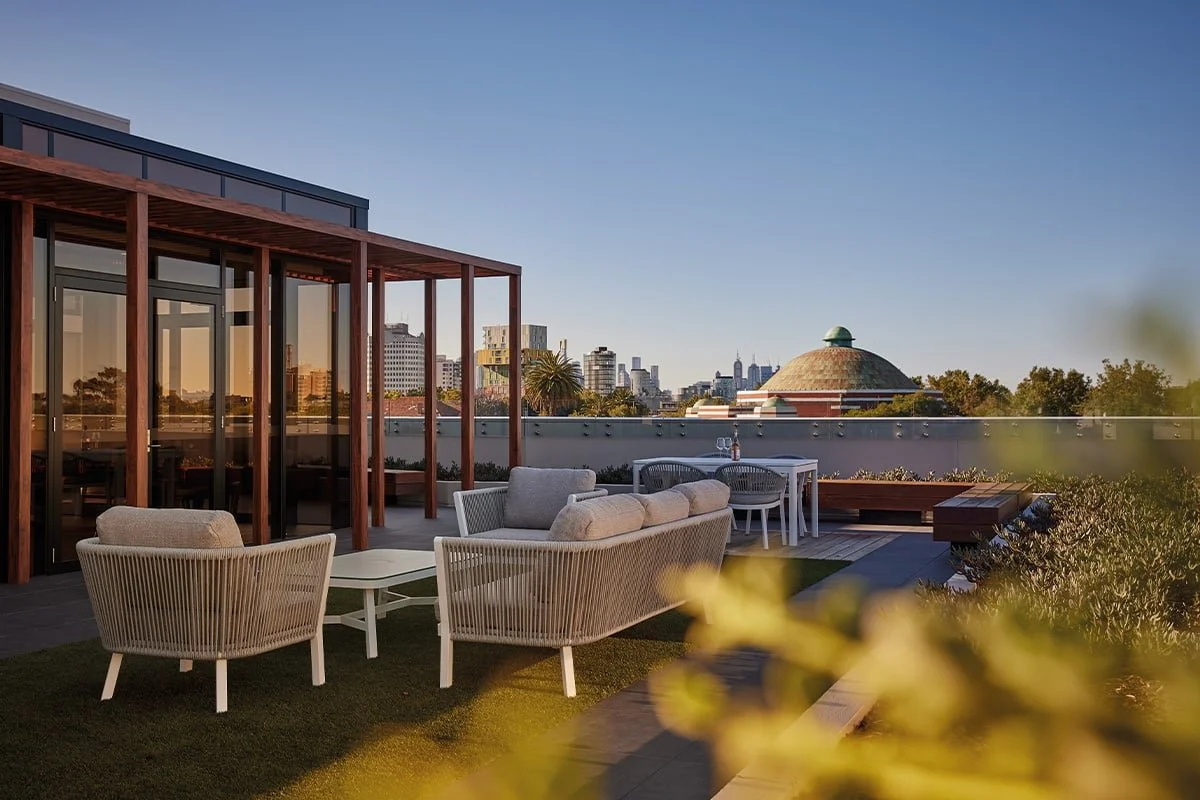
Roof Garden Terrace for Seniors Living
July 1984, Victoria
A long, long time ago, I can still remember when (to pilfer a Don McLean line) roof gardens were relatively rare and primarily on top of underground car parking servicing office blocks (almost exclusively fronting St Kilda Road) or on podiums. They were proper gardens. My interest was so piqued by these that it led to my thesis in Landscape Architecture (this was back in 1984 - yes, I am that old), becoming my research project on this topic.
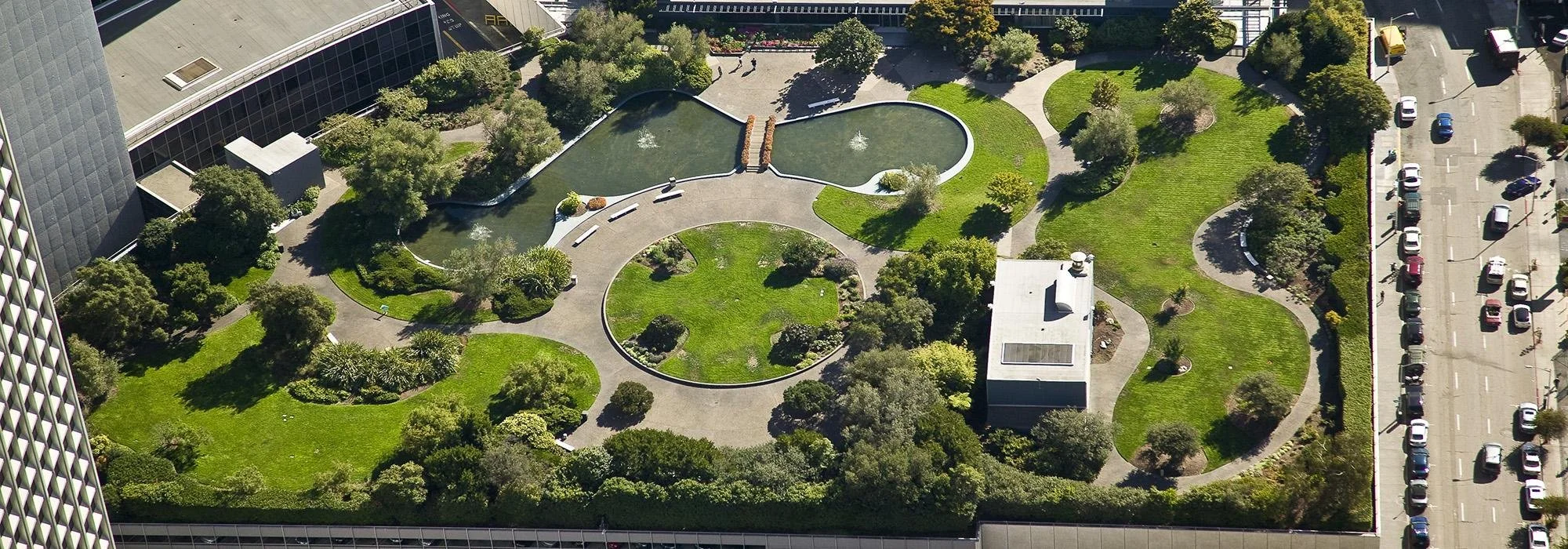
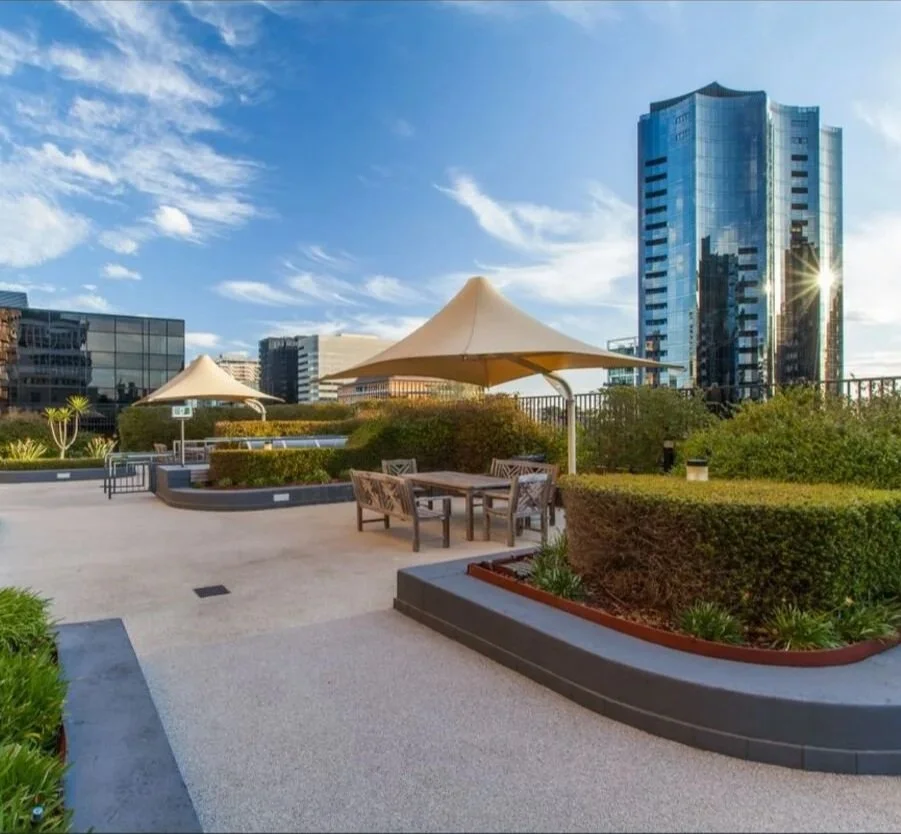

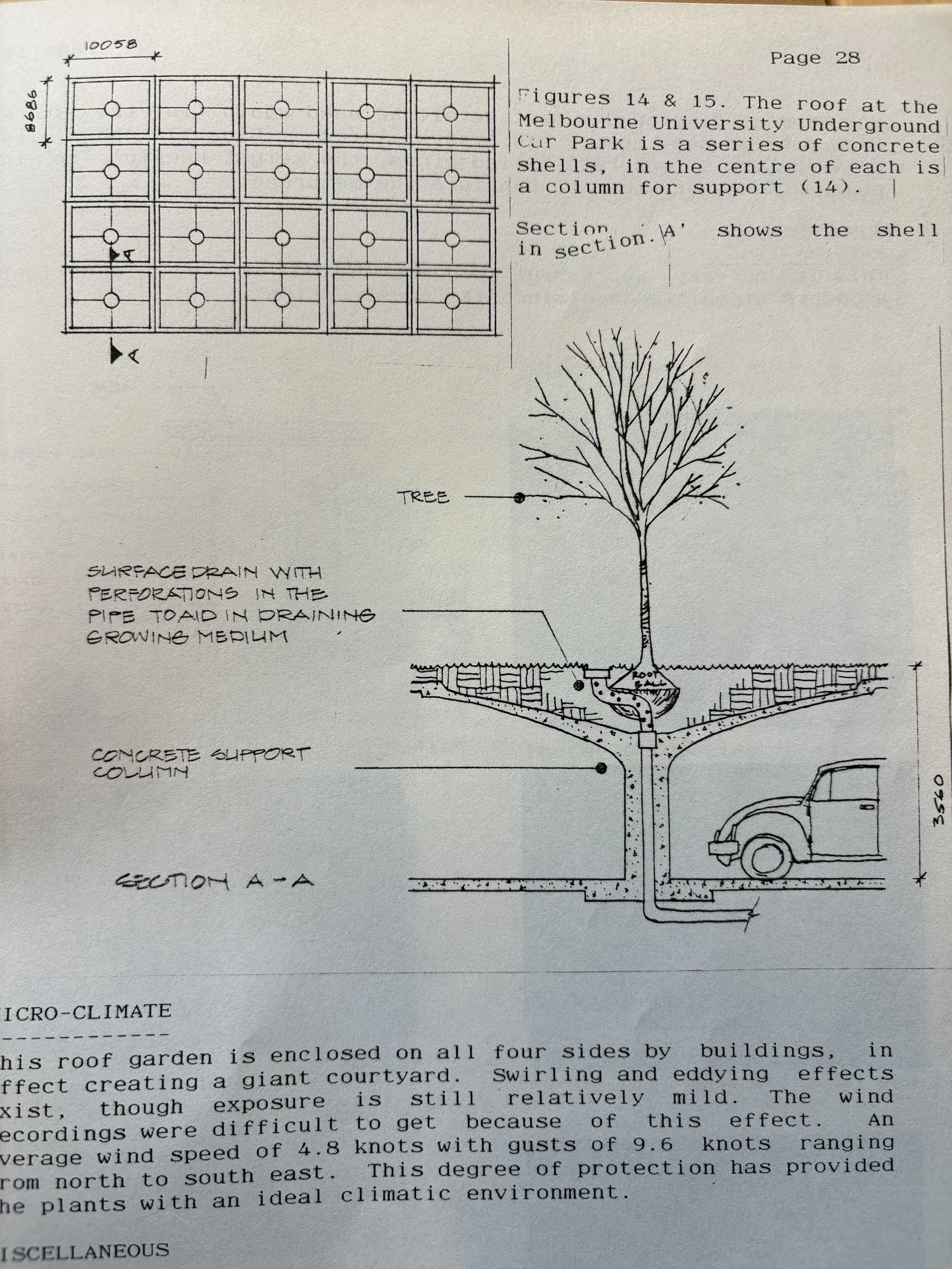
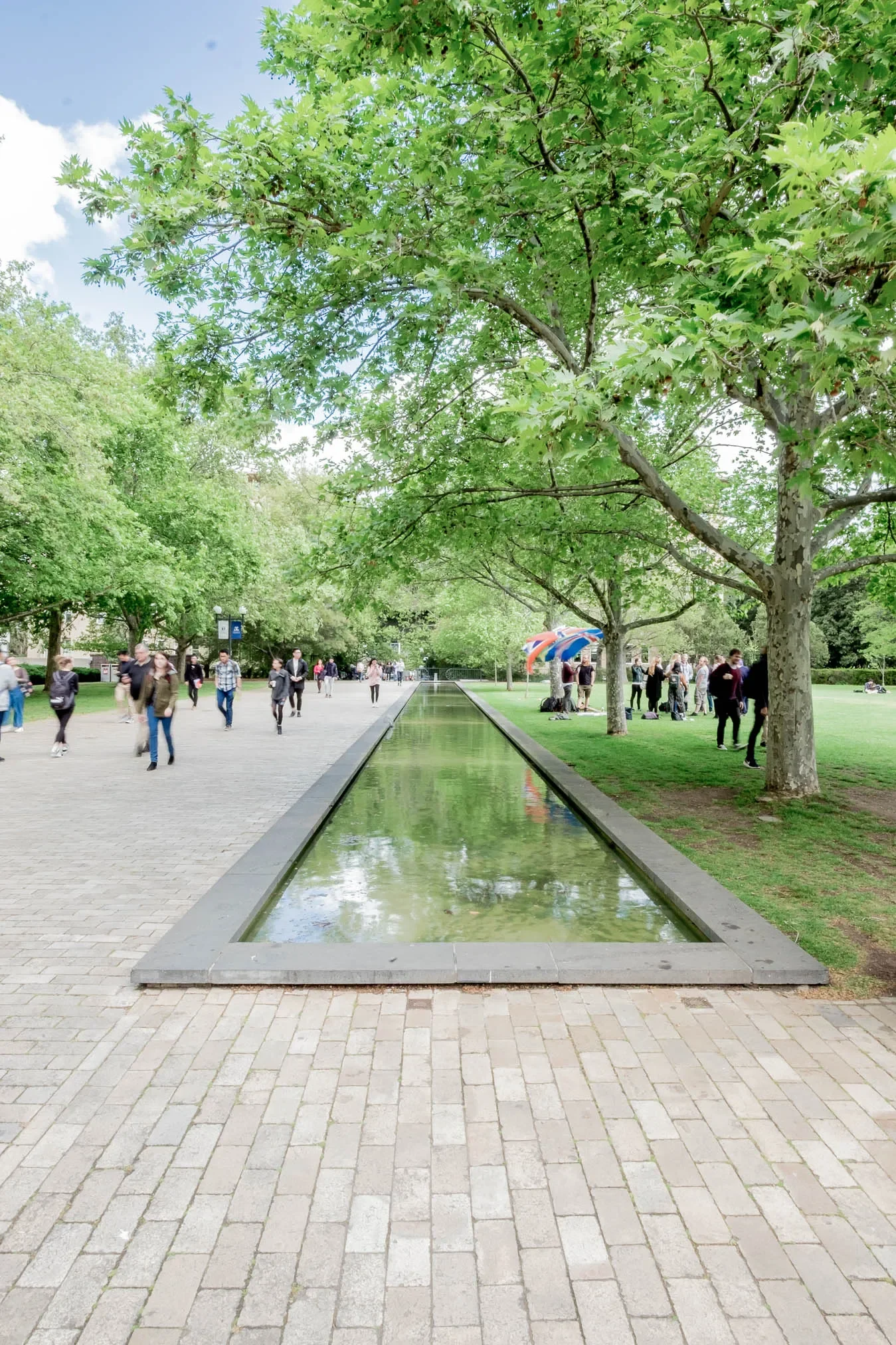
My thesis was to research nine established roof gardens in Melbourne. Each of these had its own particular issues; they were all relatively successful, and they used the essential ingredients in all roof gardens to establish vegetation on top of concrete, which is still the case today: effective waterproofing, free-draining soil, enough soil to support the long-term health of the plants, and, critically, a structure that is capable of supporting this load. All follow this same construction process.
There was plenty of optimism for the future of roof gardens back in the olden days. All large buildings could have vegetation on their roofs, which would green the city's appearance and mitigate the effects of the dreaded heat island. No surprise this hasn't happened, primarily due to the cost. To establish a well-vegetated environment on top of a suspended concrete structure requires a lot of structure, which becomes prohibitively expensive. This is all very logical; everybody loves the idea of roof gardens until the cost is mentioned, then they run for cover.
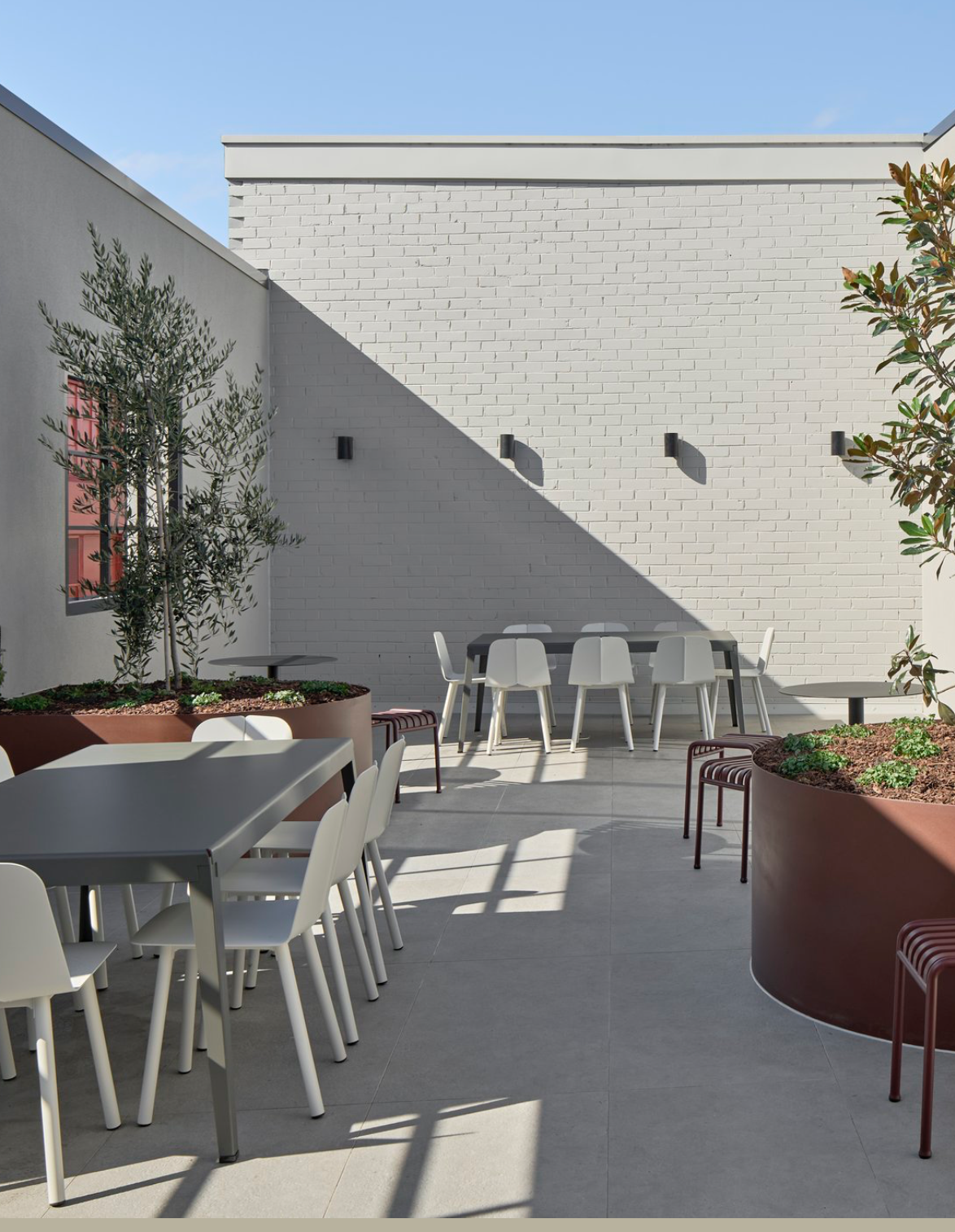
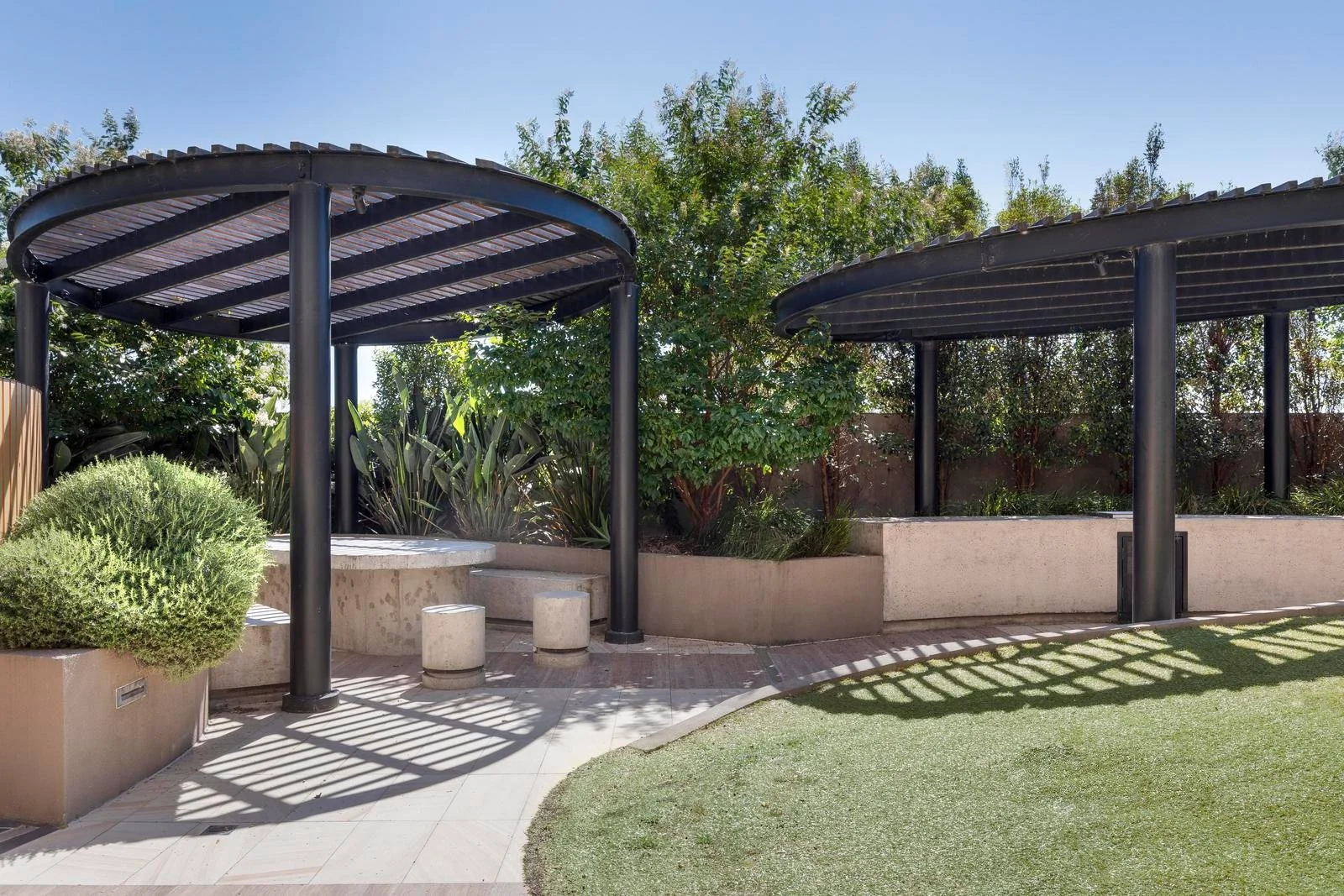
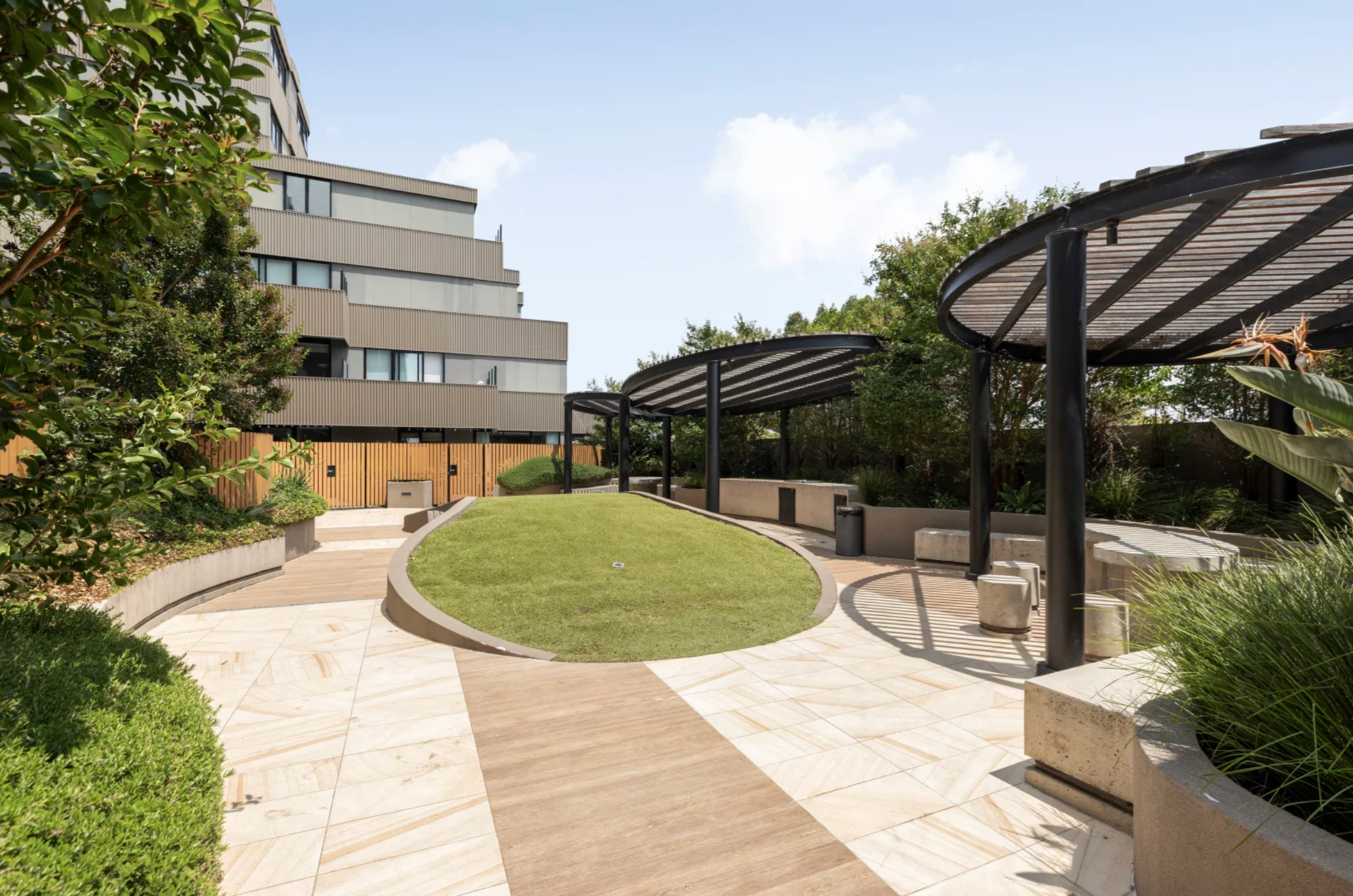
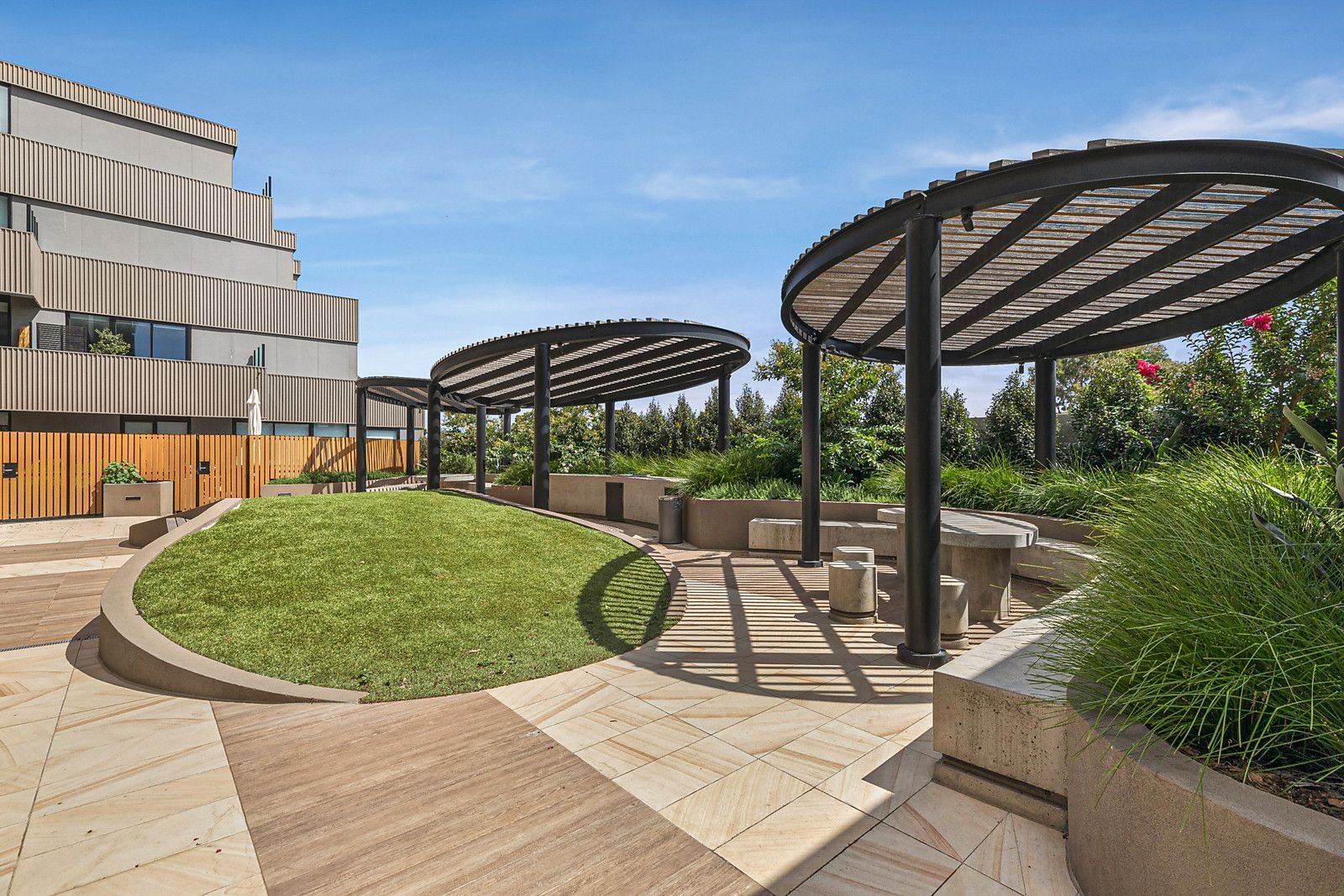
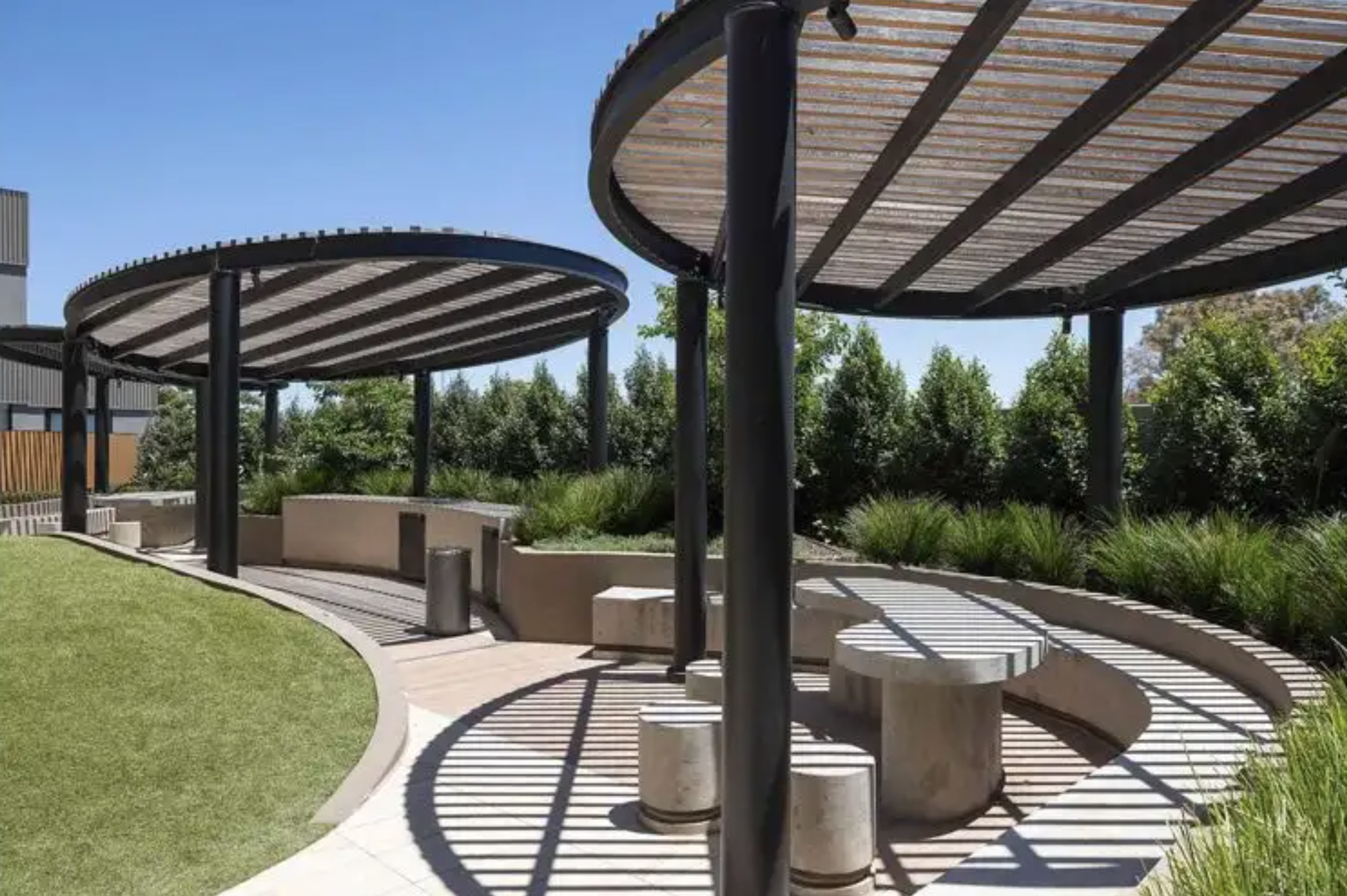
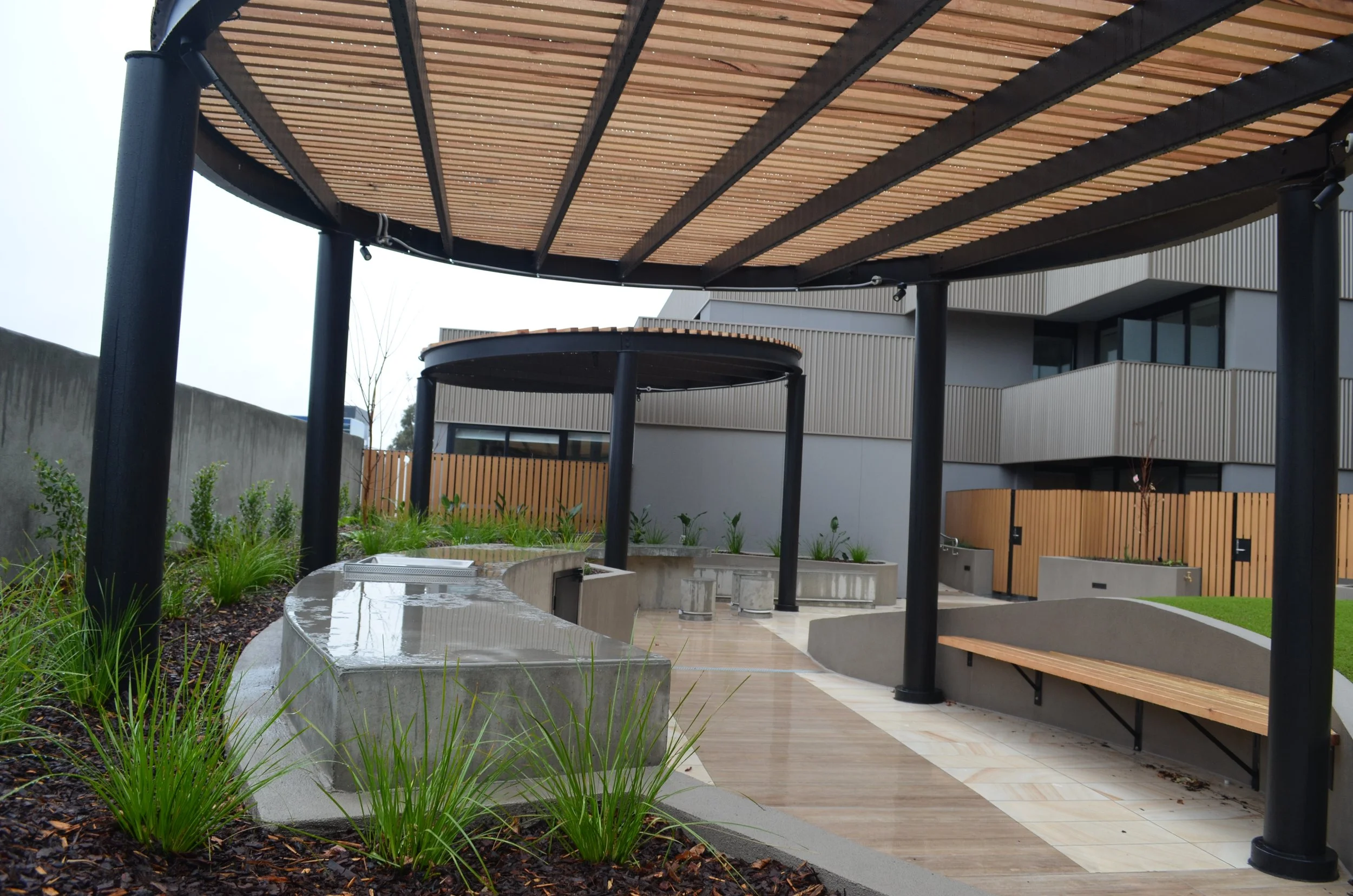
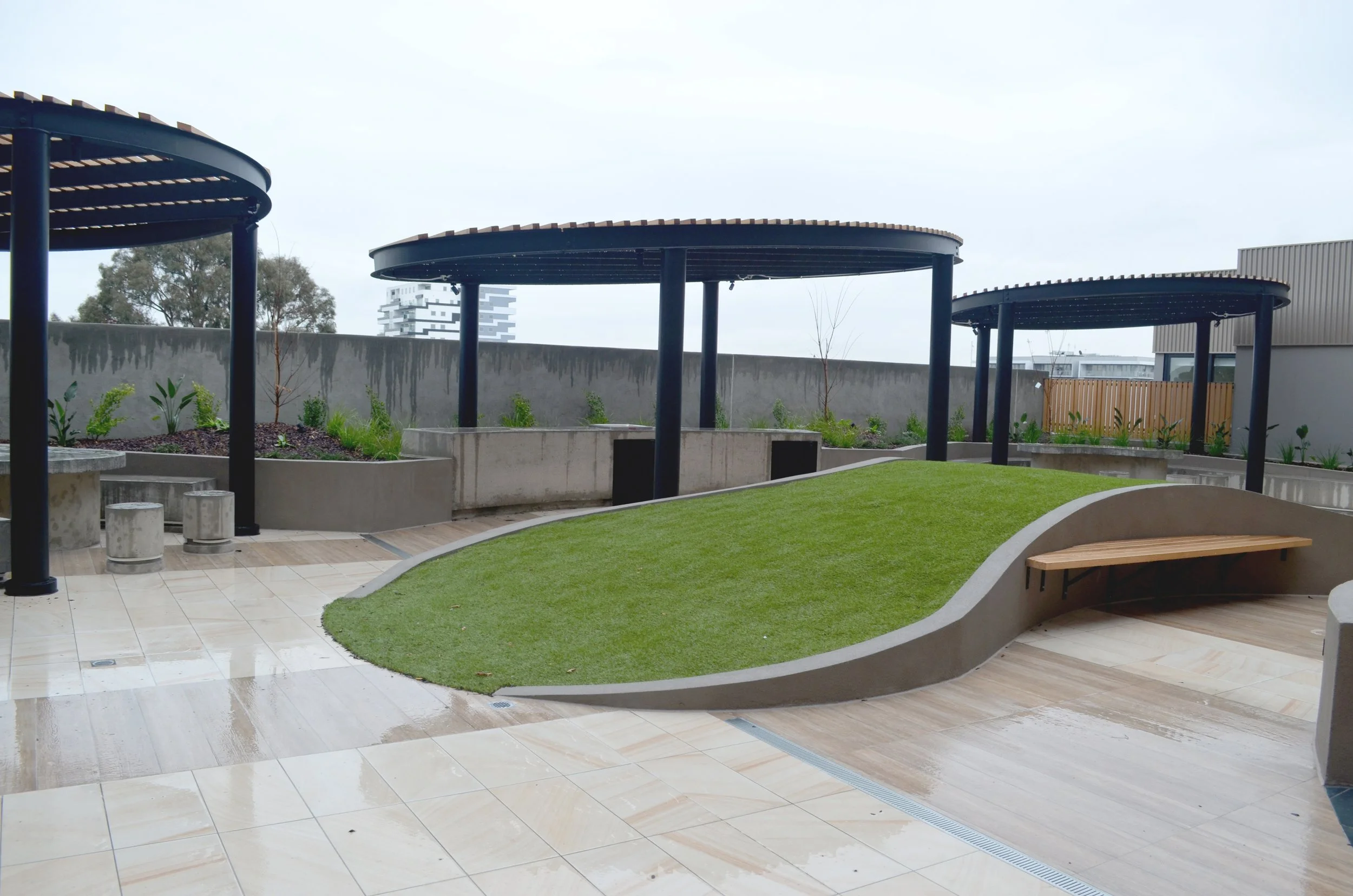
Courtyard terrace breakout space, but not a garden
One answer to building a full-fledged roof garden is to scatter plants in lightweight structures across a building. This gives the appearance of green without the investment, but, and it is a big but, it is prone to failure and is not for the long term. It looks good at first, but fades fast. This approach has become a go-to for cheaper builds - the roof garden you have when you aren't having a roof garden. Everything is in lightweight planters that can be moved around or replaced; there are no difficult-to-find leaks, and they are undersized, which leads plants to become root-bound and soil to dry out. The developer is happy, garden looks good on real estate photos - yet it is all temporary, akin to decorating with cushions in interior design. To my mind, these cannot be called roof gardens and have zero environmental benefit.
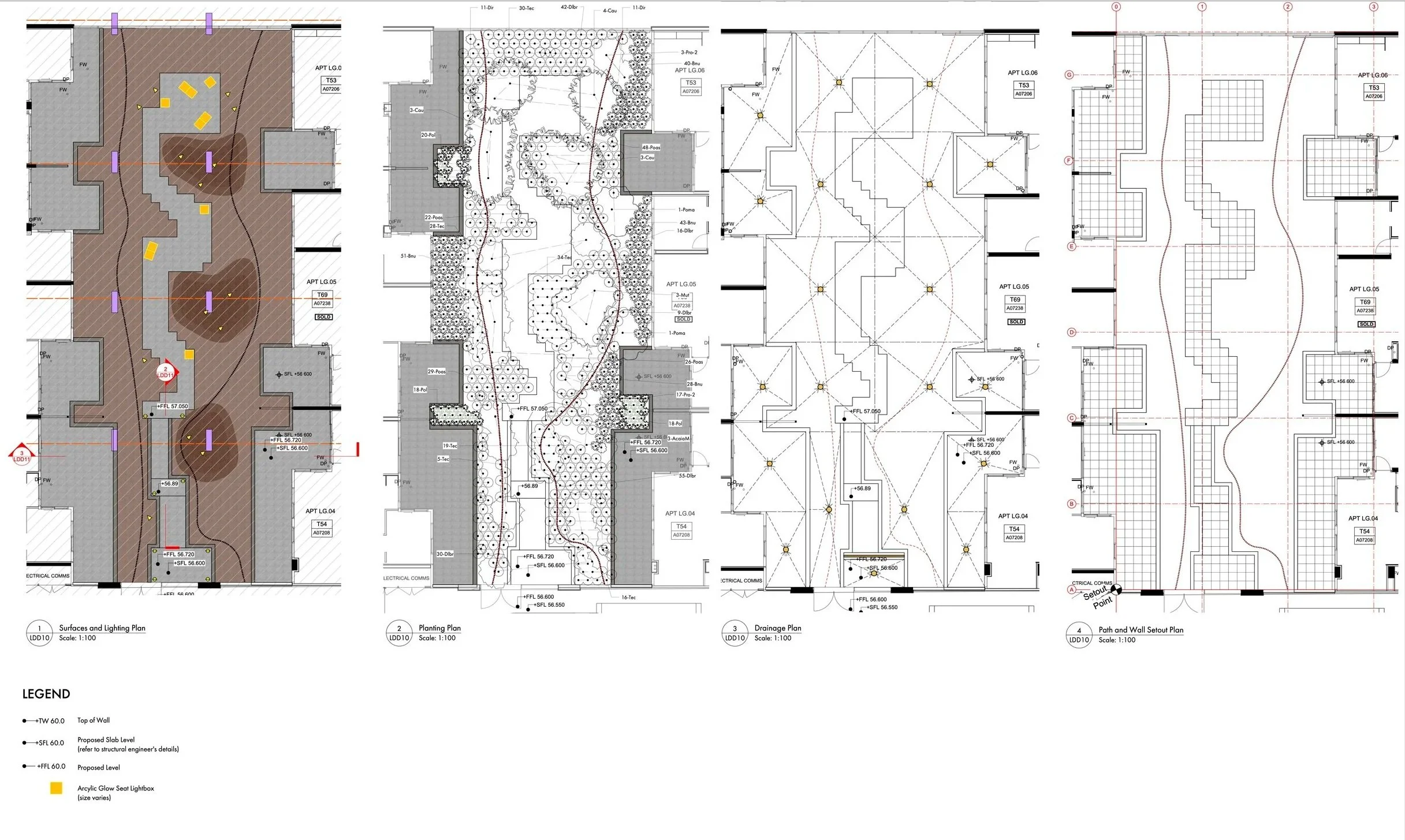
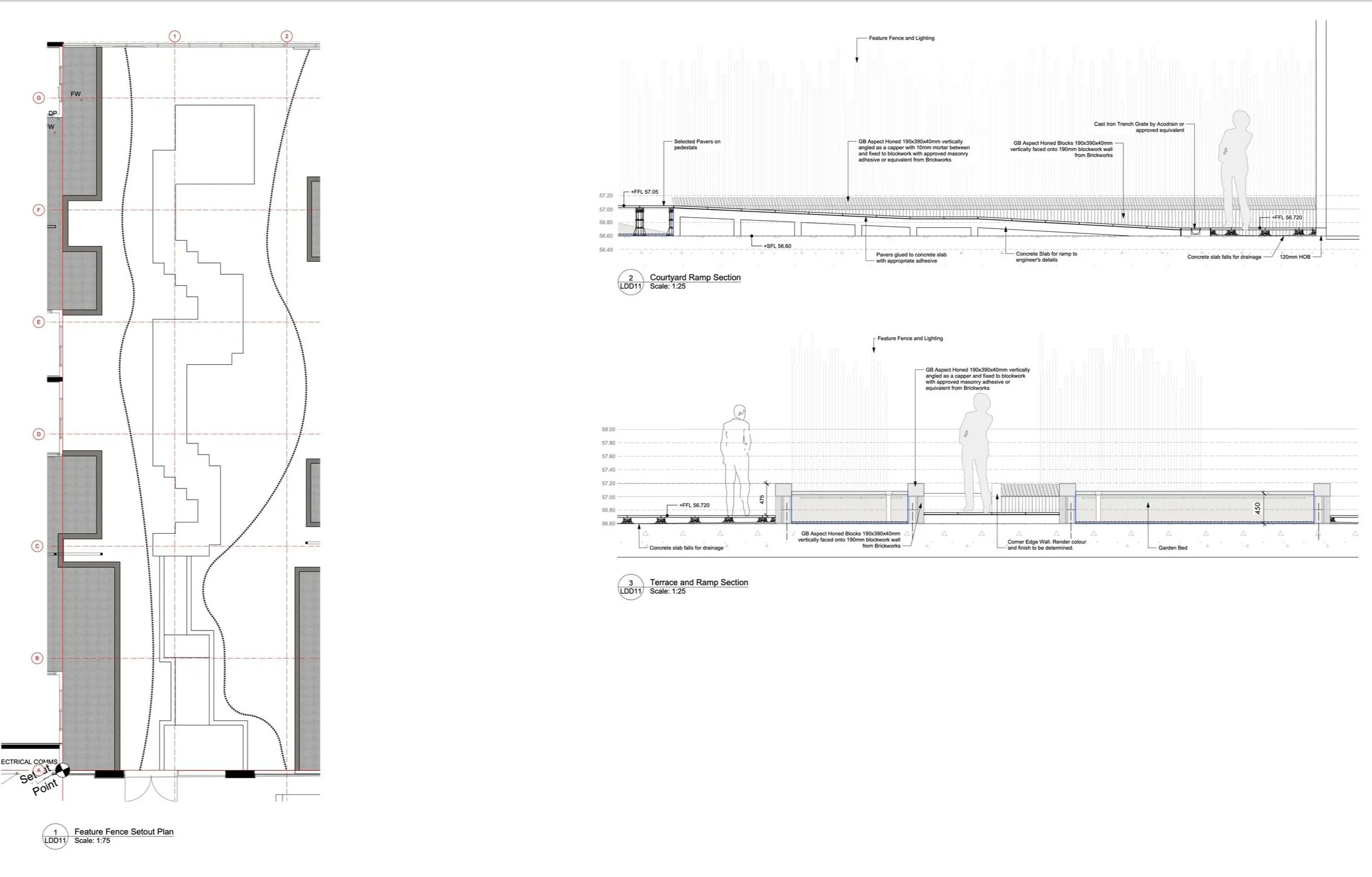
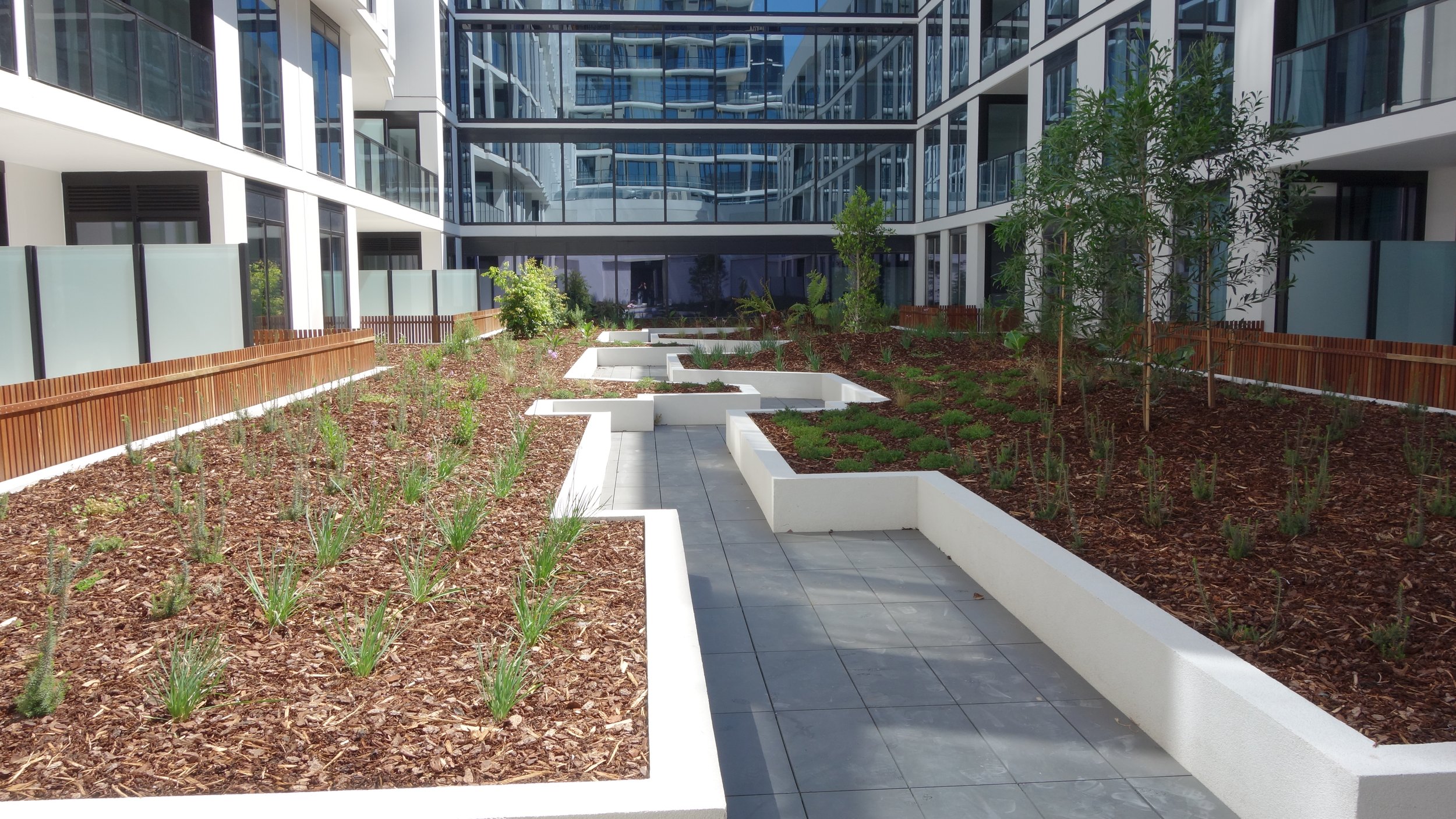
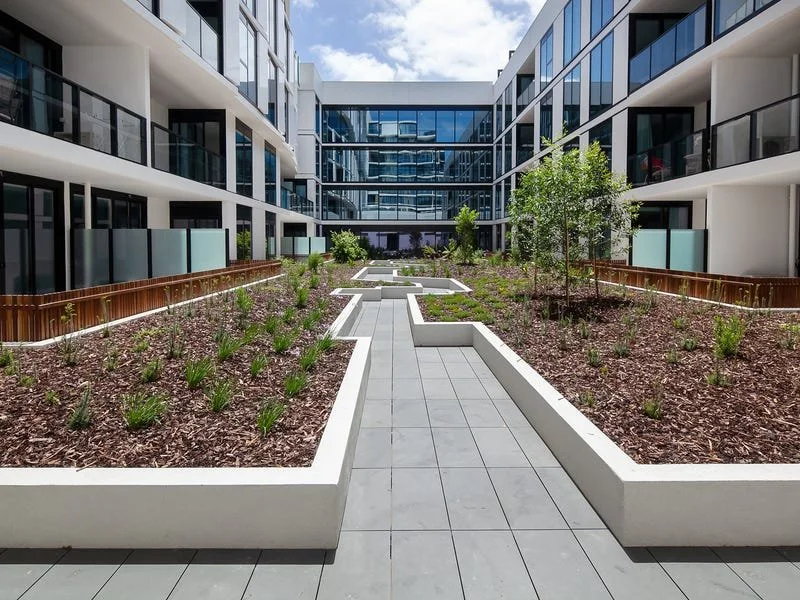
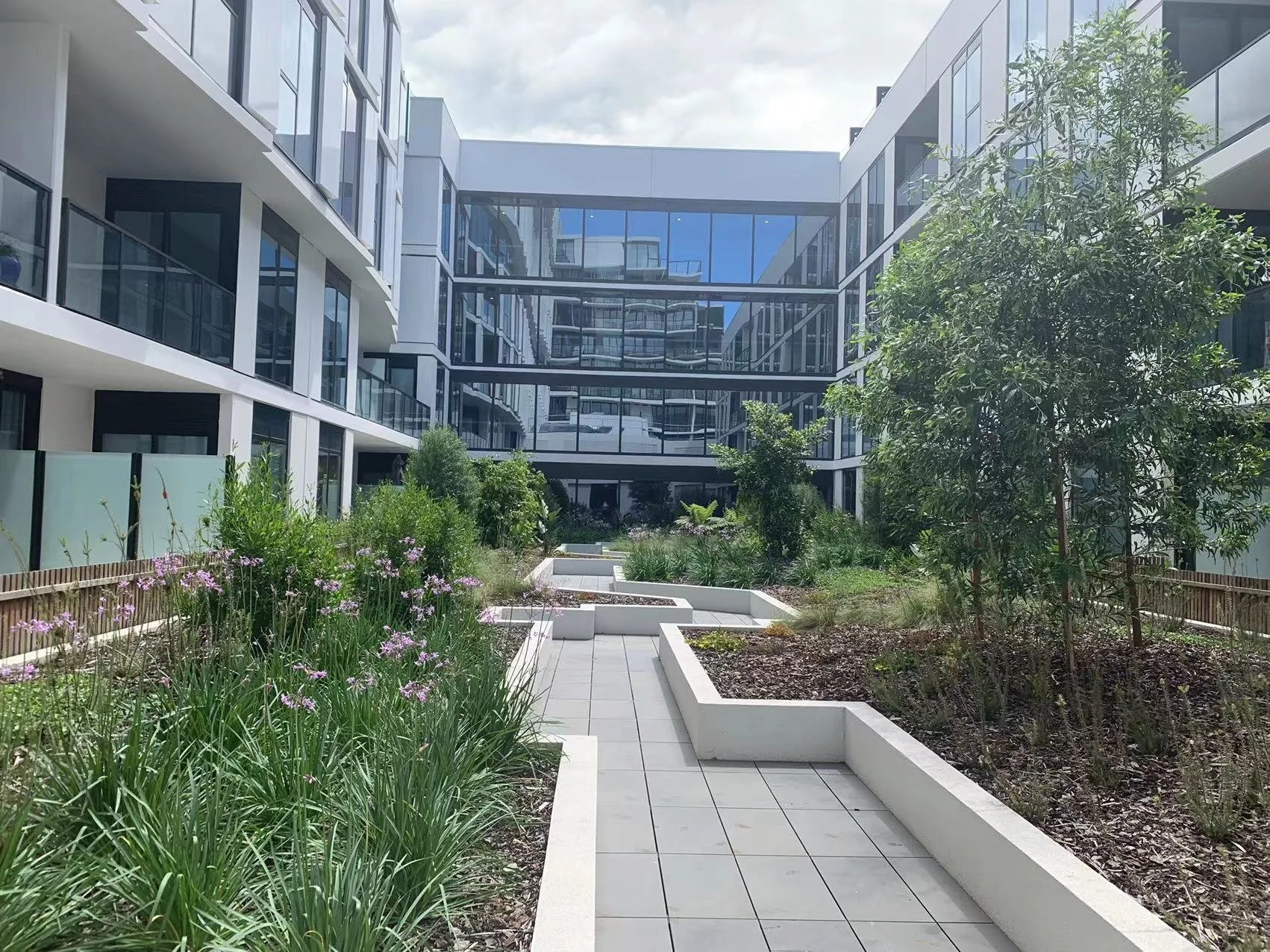
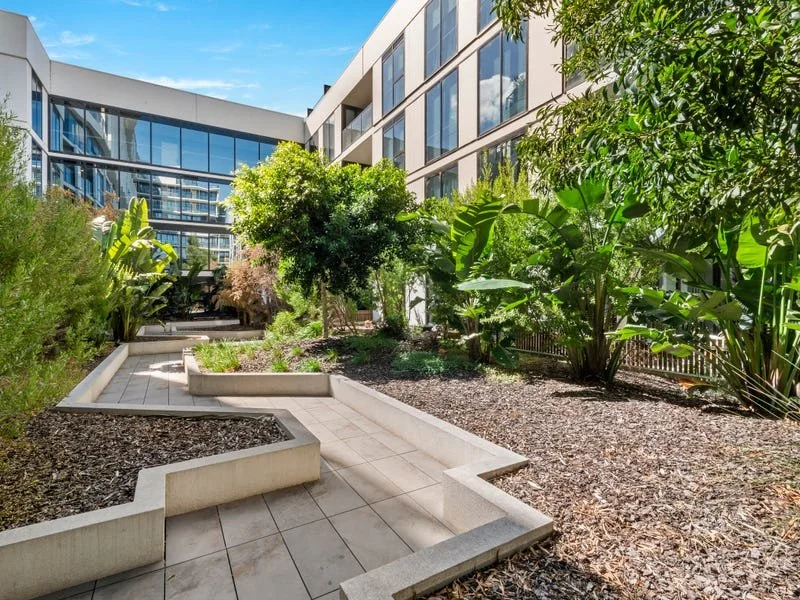
Native Australian wet sclerophyll forest garden was established in 2020 garden theme was changed by the developer in 2024 to a ‘Singaporean’ style garden.
MEMLA has undertaken both the ‘Elcheapo’ roof gardens and those that are the real deal. Their success depends on design, construction quality, and ongoing maintenance. A good roof garden should function like a garden on the ground. With regular maintenance, it should be trouble-free and long-lived, provide shade, protect from wind, offer seasonal interest, and be a place people enjoy. Trees and shrubs should grow to maturity, and planter boxes should be properly sized to support mature root development. The garden should have time to develop, with a regular maintenance regime as part of the body corporate service. It should be designed for the long haul, not simply dressed up to sell. Care also needs to be taken with soil type, as some lightweight mixes usually promote rapid plant growth but are not as good over the longer term (they dry out, and organic components decompose, leaving few nutrients). They primarily consist of composted material, sand, and scoria, with little true loam. This means they initially drain very well and support quick plant establishment, but they break down quickly. Soils with less composted material and more true loam are a little heavier, drain a little worse (which means you need good waterproofing), and growth isn’t quite as rapid; however, they hold up over the long haul, just like a garden on the ground.